Tianran Trade
Featured Apparel Display & Storage Systems - Category A
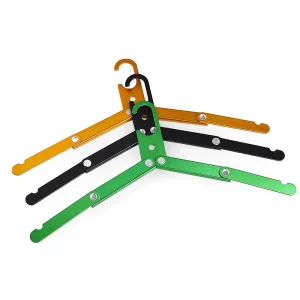
Portable Folding Aluminum Camping Hangers and Racks for Clothes Storage Wyz16048
View Specifications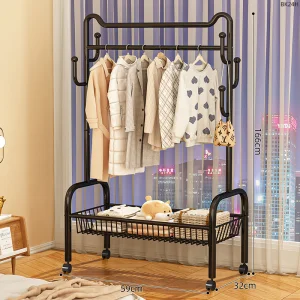
Movable Indoor Modern Metal Clothes Hanger Floor Living Room Cloth Rack
View Specifications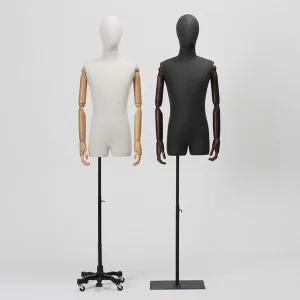
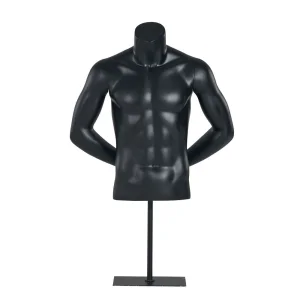
Fashionable Upper Body Mannequin in Matt/Glossy White/Black with Height Adjustable Stand and Wooden Arms Made of PP/PE/ABS/Fiberglass for Male Clothing Display
View Specifications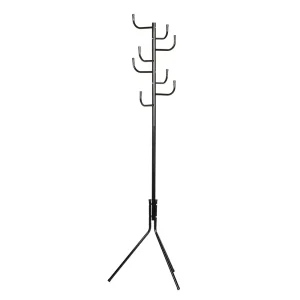
Sturdy Black Metal Clothes Hanger Display Rack for Boutique Shop
View Specifications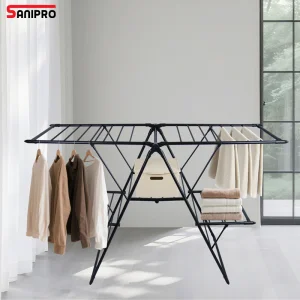
Sanipro Home Heavy Duty Metal Clothes Hangers Clothing Airer Dryer Folding Laundry Drying Rack with Height-Adjustable Wings
View Specifications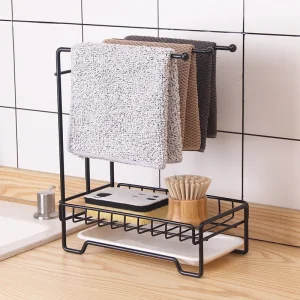
Kitchen Wall-Mounted Storage Rack Metal Sink Storage Rack Dishcloth Hanger
View Specifications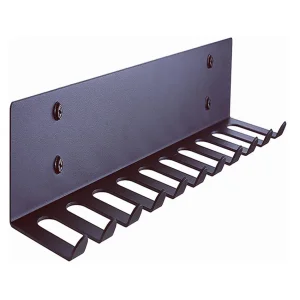
Wholesale High Quality Wall Mounted Jump Rope Rack Gym Storage Hanger Heavy Duty Multi-Purpose Gym Rack
View Specifications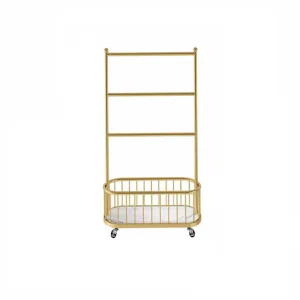
Floor Standing Multi-Layer Underwear/Socks Display Rack in Gold/Black/White with Wheels and Savings Basket
View SpecificationsThe Evolution & Future Trends of Display Mannequins
Unveiling the technological paradigm shifts in high-end retail visual merchandising, material engineering, and ergonomic human representations.
In the fiercely competitive environment of international retail commerce, physical storefronts have transcended their traditional transactional functions. Today, they serve as experiential landscapes designed to captivate customers, convey brand values, and cultivate immersion. Within this ecosystem, the display mannequin operates not merely as a garment holder, but as a silent salesman. The evolution from rigid, static fiberglass units of the late 20th century to modern, highly modular, adjustable display mannequins represents a profound shift in visual marketing philosophy and manufacturing engineering.
Eco-Centric Material Engineering
Global brands are prioritizing sustainable supply chains. The transition from toxic resins to recyclable polymers like polypropylene (PP), polyethylene (PE), and high-grade ABS has reduced carbon footprints during production while providing superior shatter resistance and structural longevity.
Dynamic Kinetic Adjustability
Modern visual merchandising requires variable posture configuration. Height-adjustable base stands paired with flexible wooden or articulated composite arms enable displays to adapt quickly to seasonal garments—from trailing gowns to cropped outerwear.
Ergonomic Inclusivity
Consumer demographics demand real-world representation. Progressive retail entities are heavily investing in plus-size female half-body mannequins and muscular athletic forms. This aligns visual narratives with modern diversity paradigms and improves localized conversion rates.
This macro-level evolution has prompted leading manufacturing plants to transition away from low-complexity manual molding and adopt sophisticated, software-driven industrial design procedures. The modern adjustable mannequin is engineered for structural longevity, balance, and visual adaptability.
Understanding Global Sourcing & Procurement Frameworks
Analyzing the critical metrics, regulatory compliances, and durability requirements prioritized by enterprise visual merchandising managers.
For international supply chain directors, sourcing display hardware is an exercise in balancing total cost of ownership (TCO) with operational reliability. Standard consumer-grade hangers and static mannequins fail to withstand the high-intensity environments of retail spaces, leading to early mechanical failure and aesthetic decline.
Pro-Tip for Sourcing Officers: The Three Pillars of Mannequin Durability
Always inspect joint coupling mechanism materials (preferably solid brass or reinforced structural steel) and demand proof of UV-stabilizing surface paints. This prevents discoloration caused by high-lux display spotlights.
Additionally, logistics play a critical role. Oversized, rigid mannequins lead to high ocean freight costs and are prone to breakage during transport. To address this, modern factories offer detachable upper-body configurations, telescoping adjustment rods, and nested packaging. These innovations optimize container utilization and reduce shipping volumes by up to 35%.
China Factory 4.0: Supply Chain Resilience & Manufacturing Synergy
How technological integration in Chinese industrial clusters delivers cost efficiency, reliable quality control, and rapid custom design turnarounds.
At the center of global visual merchandising manufacturing is China's modern industrial ecosystem. It has moved beyond simple labor advantages to lead in automated quality control, advanced material processing, and deep supply chain integration. The modern Chinese mannequin factory functions as a flexible production center capable of handling both large-scale standard runs and custom designer projects with equal efficiency.
Through advanced production setups, components like custom-formed metal tubing, calibrated tension springs, and injection-molded resins are produced in close proximity. This local integration minimizes delays and protects against global logistics disruptions. This system allows for rapid prototyping, turning custom blueprints into physical samples within days, compared to the weeks typical of less integrated supply chains.
Standardized Quality Control Protocols
- Raw Material Verification: Pure raw polymers (ABS/PP) are tested to ensure zero environmental contamination and high structural impact resistance.
- Tension & Weight Fatigue Testing: Height-adjustable joints undergo lifecycle stress tests to guarantee long-term stability.
- Multi-Layer Paint Adhesion: Cross-hatch adhesion testing verifies paint layers will not chip, peel, or scratch during garment changes.
COMPANY PROFILE
Quanzhou Yingchuan Trade Co., Ltd. — A Global Leader in Visual Display Products and Precision Hanger Rack Systems since 2011.
Quanzhou Yingchuan Trade Co., Ltd. was established in 2011. As a comprehensive manufacturing and trading company, we are specialized in display products, such as mannequin and hanger rack. We are famous for our superior quality, competitive price, first-class craftwork, safe package and prompt delivery. Therefore, we can fully satisfy your demands and have a large customer base. Our products sell well in South American, North American, Europe and Africa. Apart from our own products, we also provide OEM services and accept customized orders as well. Our products are popular in overseas markets.
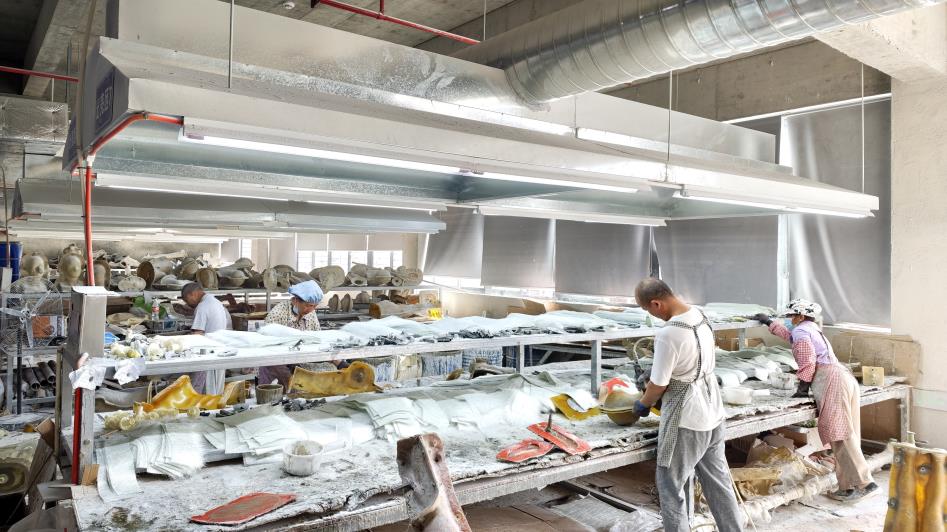
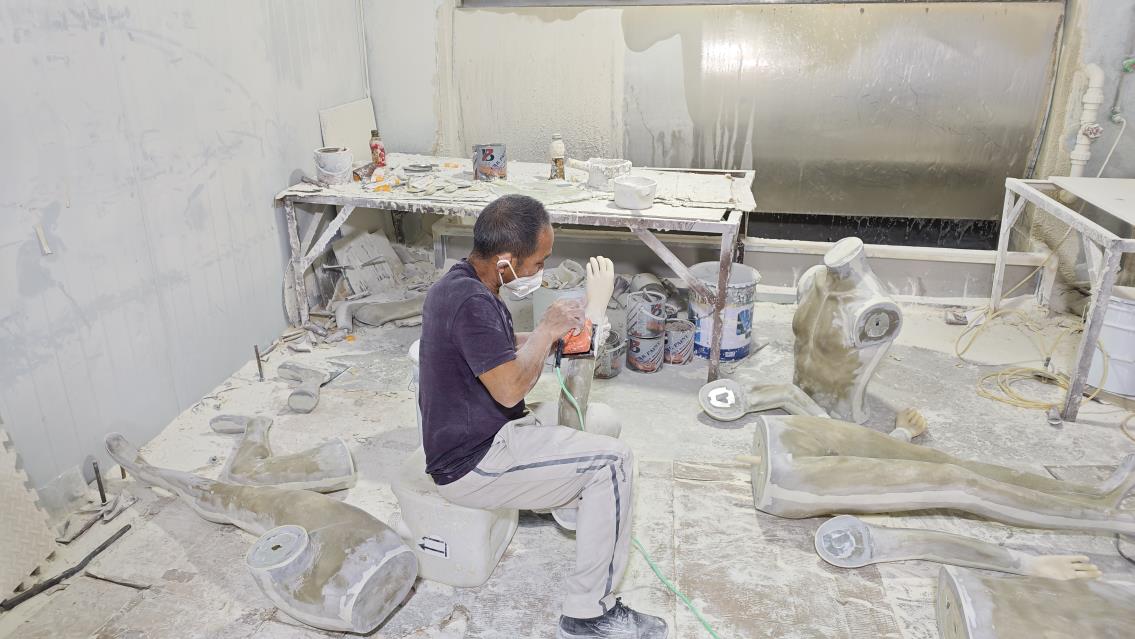
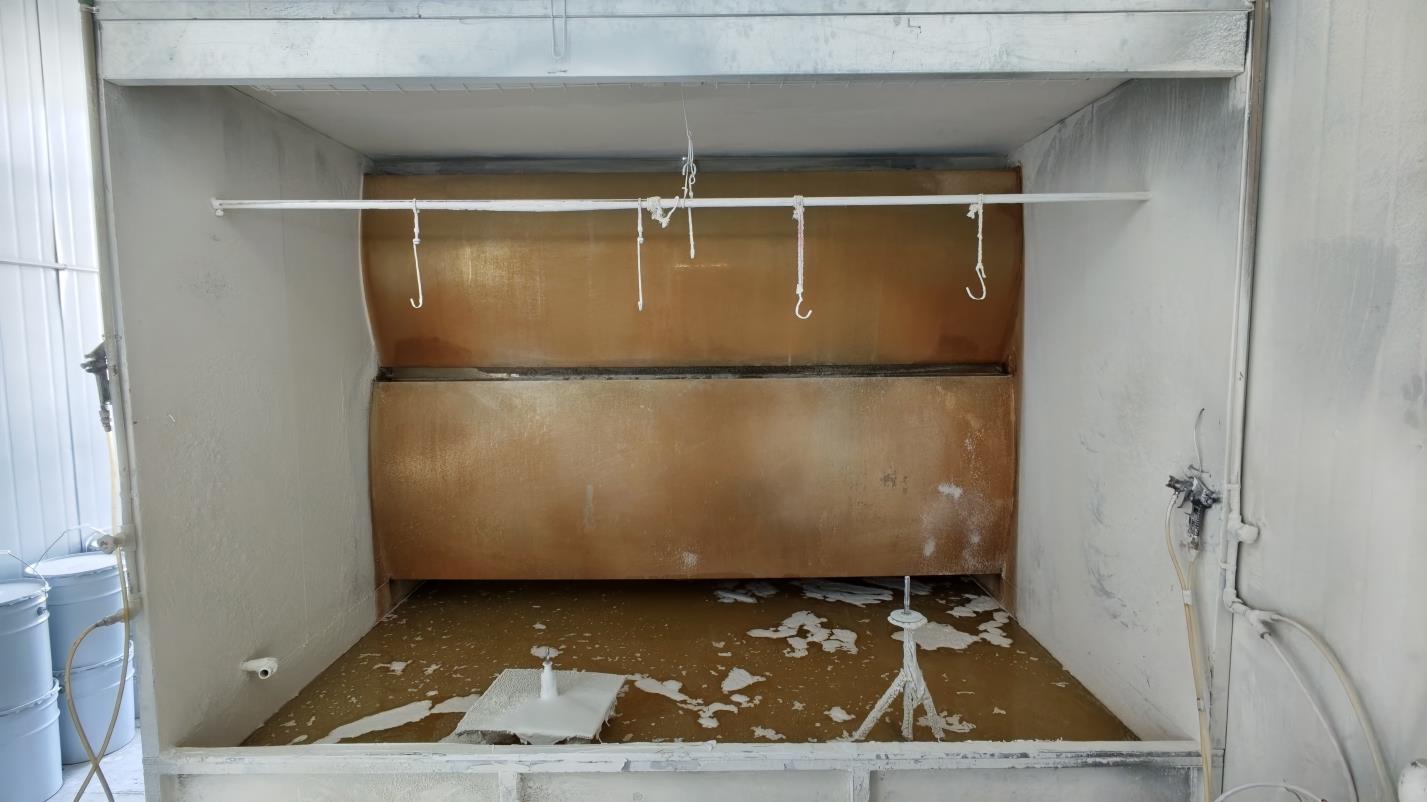
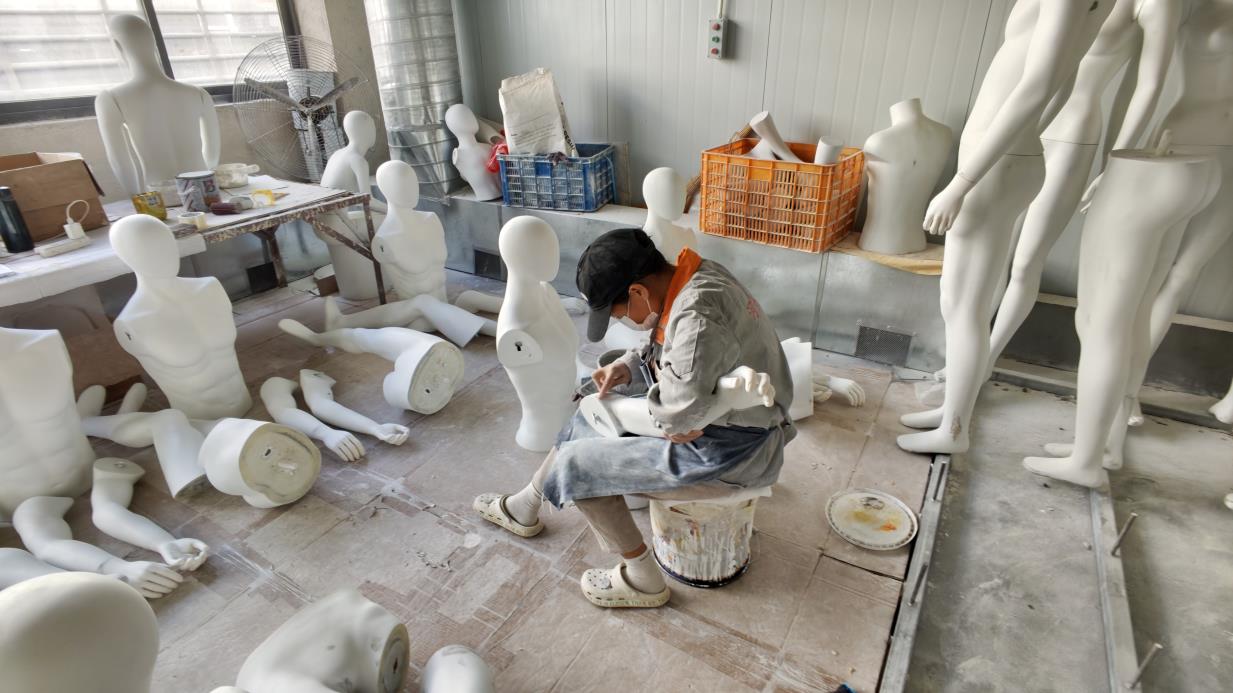
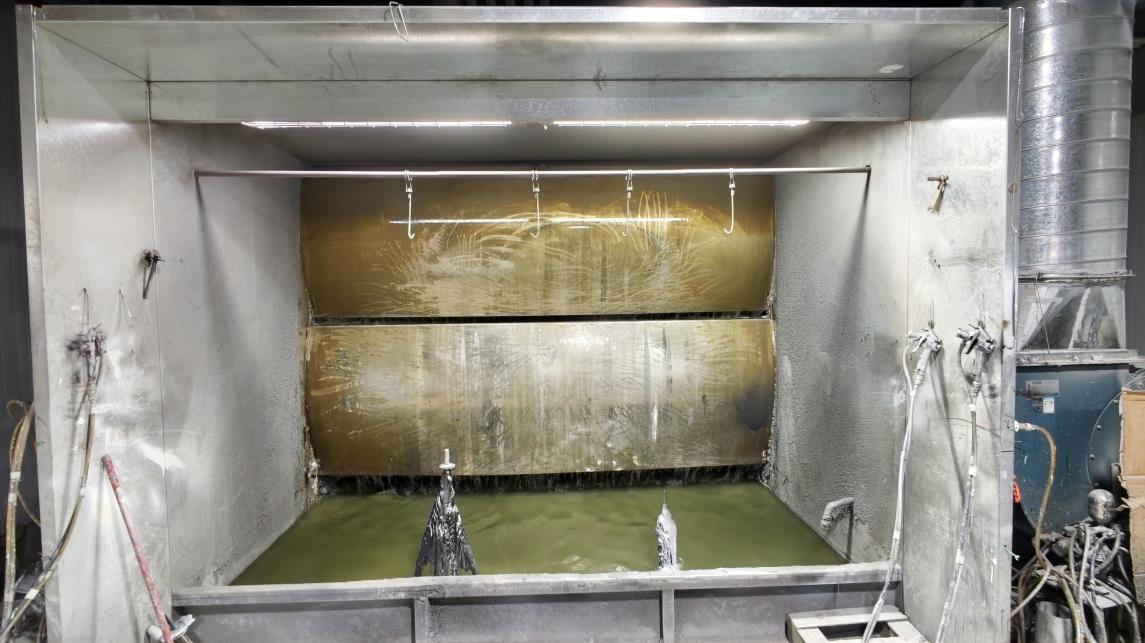
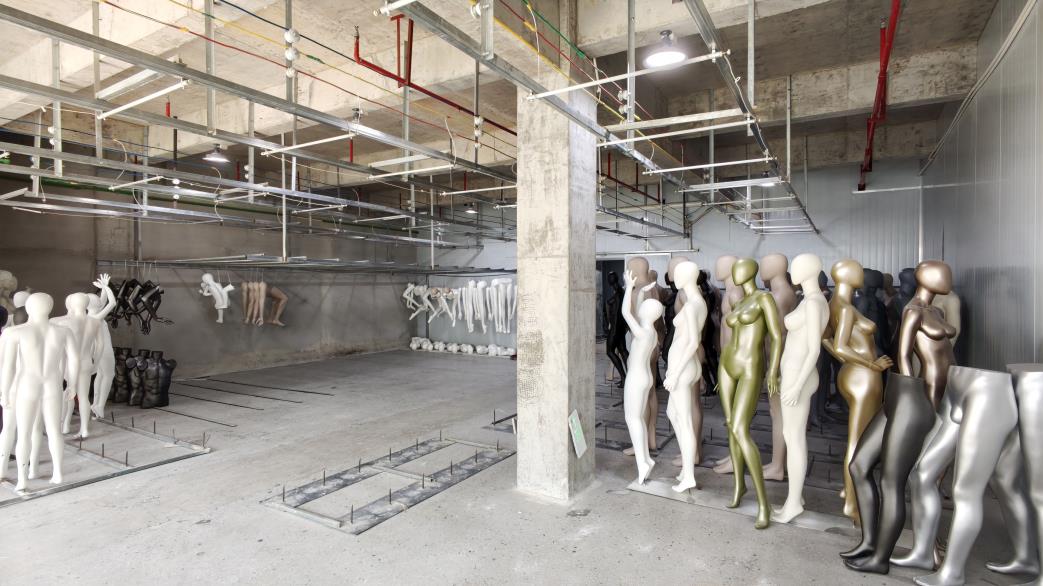
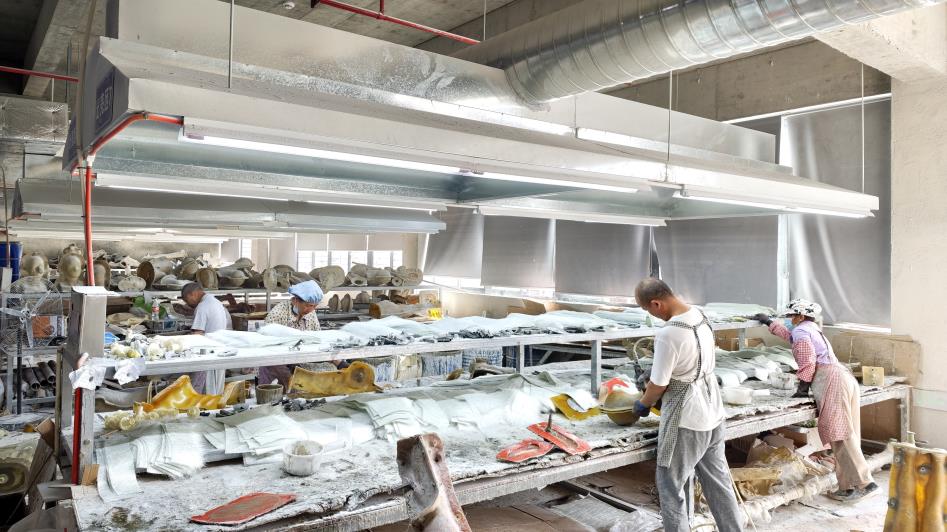
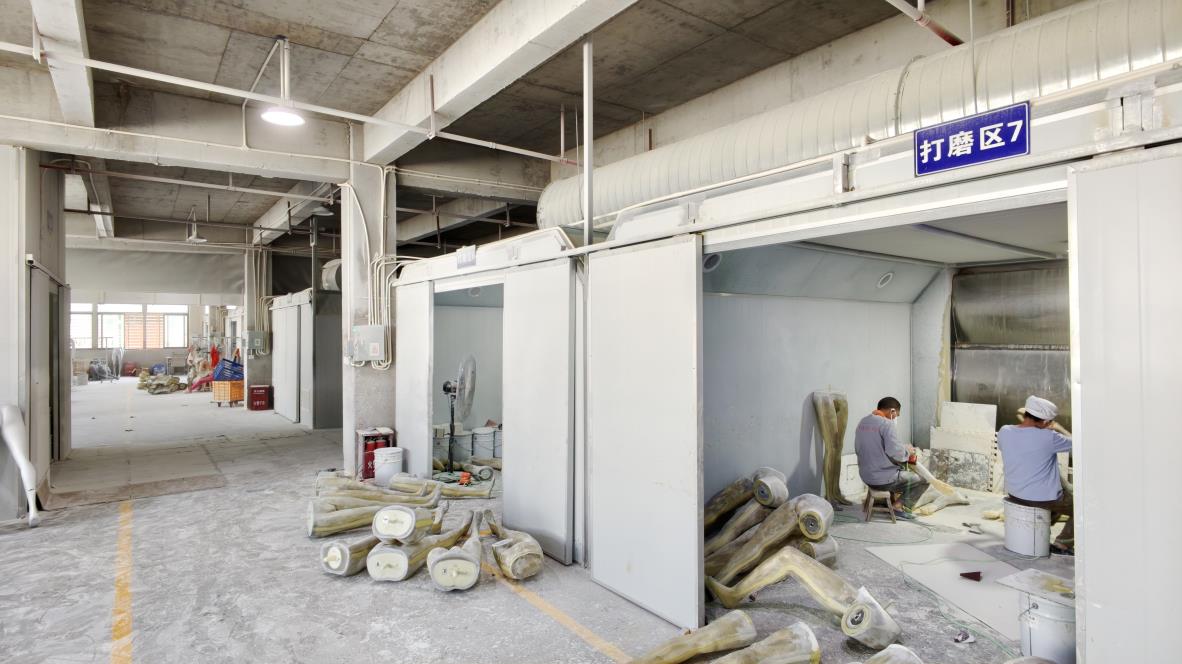
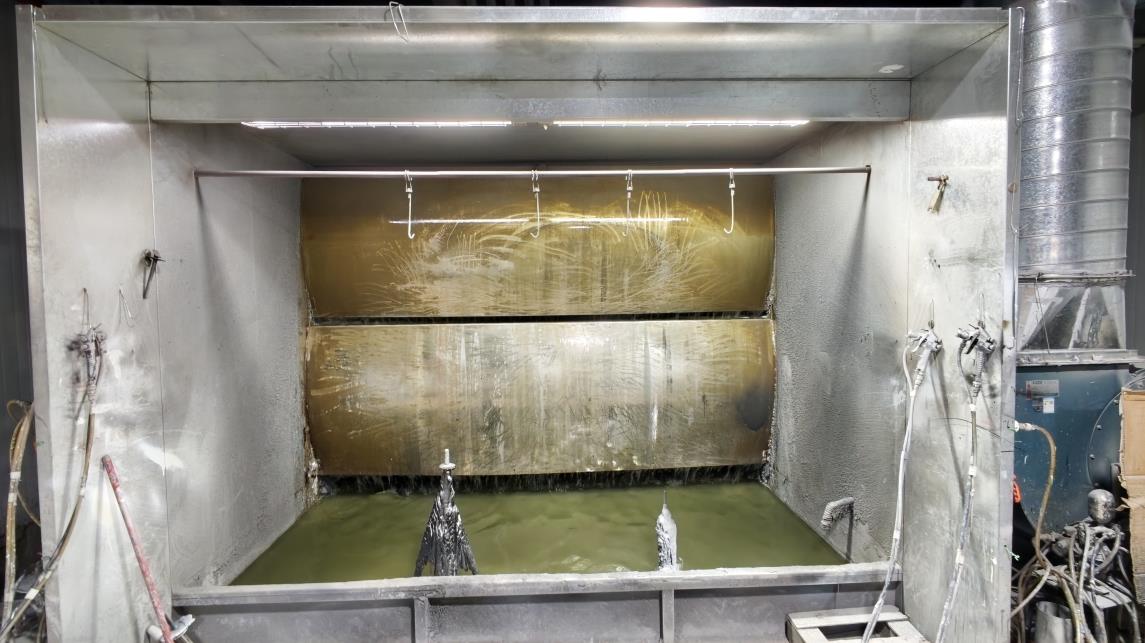
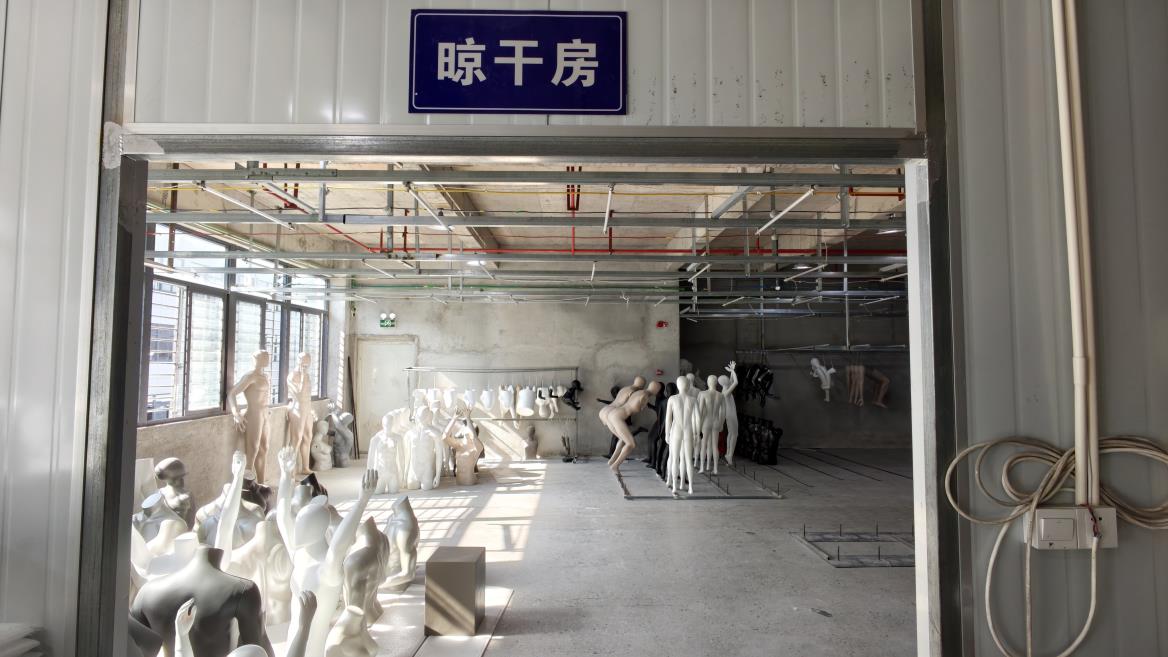
Our Comprehensive Production Process & Quality Safeguards
Every single display mannequin and clothing rack undergoes a strict, 10-stage refinement process inside our state-of-the-art manufacturing plant, ensuring flawless structural integrity and aesthetic refinement.
Localized Application Scenarios in Modern Retail Landscapes
How adjustable displays customize visual merchandising across diverse global retail sectors.
High-End Bespoke Tailoring
In luxury fashion design, fit accuracy is essential. Tailors and designers use heavy-duty adjustable male and female torso forms to construct, modify, and present made-to-measure suits and eveningwear, ensuring perfect drape and balance across various body types.
Omnichannel E-Commerce Studios
E-commerce photography studios require fast product rotations. Height-adjustable, headless half-body mannequins speed up clothing changes and allow photographers to align clothing items with camera angles quickly. Detachable arms make it simple to dress and style tight-fitting garments.
High-Traffic Flagship Boutiques
Flagship retail environments demand visual novelty. Movable displays and adjustable mannequin stands enable in-store decorators to refresh display configurations frequently, matching changing visual marketing concepts and seasonal themes.
Global Procurement FAQ & Technical Insights
Expert technical answers to key sourcing questions about adjustable display mannequins.
Featured Apparel Display & Storage Systems - Category B
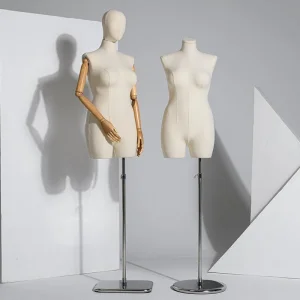
Wholesale Plus Size Female Half Body Mannequin Wooden Flexible Arms Display Clothing Store Dress Form Mannequins
View Specifications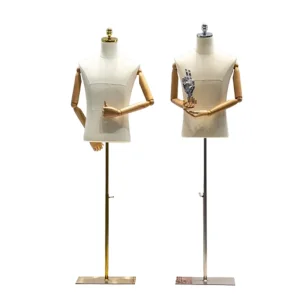
Popular Headless Half Body Mannequin in Matte White/Black with Wooden Arms and Adjustable Height Bracket Base
View Specifications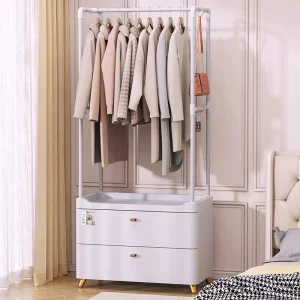
Minimalist Style Bedroom Furniture Column Wall Mounted Clothes Storage Rack
View Specifications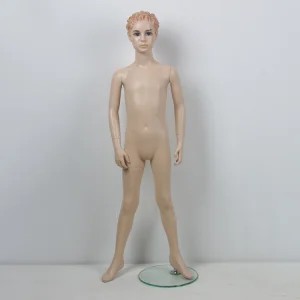
Make up Clothing Display Kids Mannequin/Boys Mannequins
View Specifications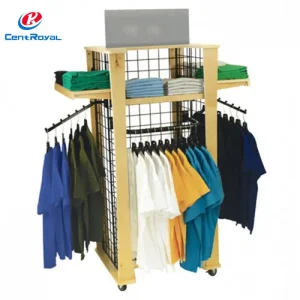
Custom Metal Garment Display Racks for Clothing Store Display Stands Floor Hanger Wood Clothing Rack
View Specifications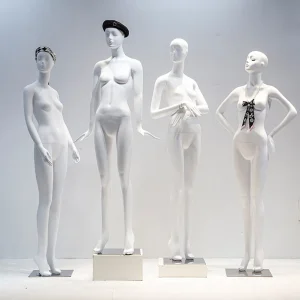
Factory Price Full Body Mannequin in Matt/Glossy White/Black with Realistic Face and Square Metal Base
View Specifications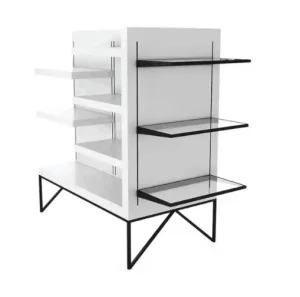
Economical Retail Shop Tabletop Wooden Flooring 4-Way 3-Tier Cup Coffee Mug Display Rack
View Specifications