Tianran Trade
China Wholesale Poster Display Mannequin Suppliers & Exporters
A buyer-focused intelligence guide for retail brands, distributors, fit-out contractors, visual merchandising teams, and OEM/ODM buyers comparing display mannequins, torso forms, garment racks, hardware retail fixtures, and medical teaching models from China.
Wholesale Display Forms and Fixtures: First Group of 8 Products
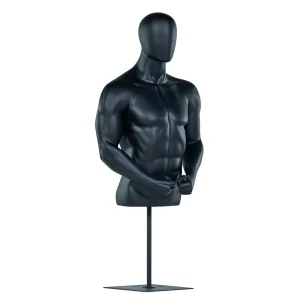
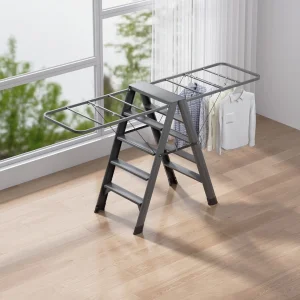
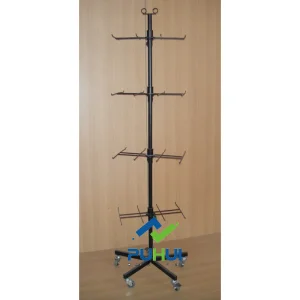
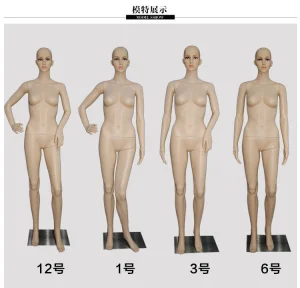
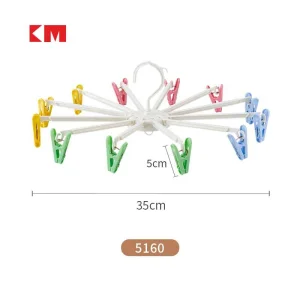
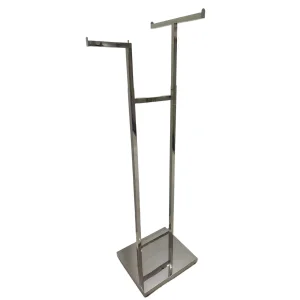
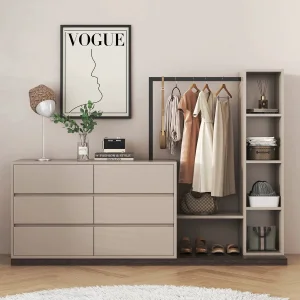
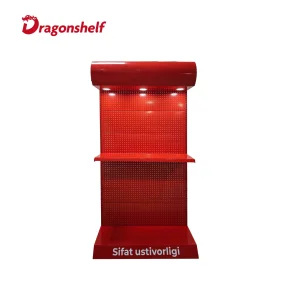
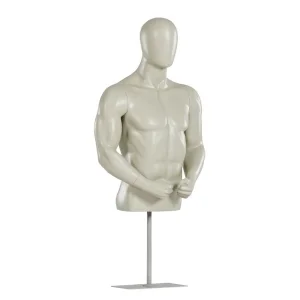
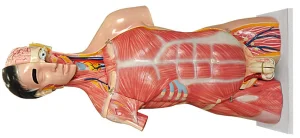
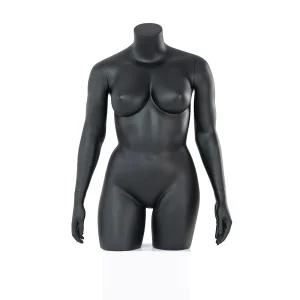
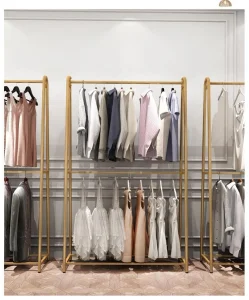
A practical wholesale assortment usually combines mannequin forms with the racks, hangers, and merchandising hardware that make a store display work as a system. This first group of eight products spans foldable drying racks, coat racks, pegboard retail fixtures, male and female torso mannequins, medical teaching torso models, and a boutique garment rack. Each product image, original title, and product URL has been retained for direct evaluation.
Company Data at a Glance
A long operating history gives buyers a useful starting point for supplier due diligence.
South America, North America, Europe, and Africa.
Forming, polishing, spraying, grinding, painting, drying, and dedicated work areas.
Mannequins, torso models, clothing racks, drying racks, and retail display hardware.
Executive Summary: The Real Search Intent Behind “China Wholesale Poster Display Mannequin Suppliers & Exporters”
Queries built around China wholesale poster display mannequin suppliers & exporters are usually high-intent commercial searches. They combine country-of-origin research, product specification comparison, supplier verification, and export planning in a single task. A retail brand may be opening a seasonal window campaign; a distributor may need a repeatable assortment of torso forms and garment racks; an OEM buyer may be checking whether a manufacturer can reproduce a finish, pose, logo plate, packaging format, or mixed-container plan.
For search engines and for human buyers, the strongest content does more than repeat a product name. It explains how the product category works in commercial settings, what evidence supports supplier credibility, how material choices affect display performance, and how different markets use mannequins, racks, and teaching models. This is the information-gain layer that separates a useful supplier page from a thin catalogue page.
From an E-E-A-T perspective, the buying journey should be supported by experience, expertise, authority, and trust signals. Experience appears in practical details such as display proportions, merchandise fitting, and packing logic. Expertise appears in material and finishing knowledge. Authority appears in a clear company profile, export markets, and manufacturing evidence. Trust appears in transparent specifications, realistic customization guidance, and a clear path for sample evaluation.
Transactional sourcing intent
Buyers want a supplier shortlist, quotation path, product URL, minimum order discussion, customization options, and export support.
Commercial investigation intent
Buyers compare fiberglass, plastic, metal, finish quality, half-body versus full-body forms, and rack compatibility.
Application research intent
Retail teams ask how mannequins support visual merchandising, window campaigns, boutique layouts, and compact stores.
Risk reduction intent
Importers look for safe package design, repeatable finishing, OEM/ODM communication, and evidence of production control.
Market Landscape: The Global Commercial and Industrial Status of Poster Display Mannequins
In commercial terms, display mannequins and fixture systems sit close to retail fit-out, visual merchandising, fashion wholesale, and exhibition supply rather than ordinary home decoration. Demand follows store openings, refurbishments, seasonal campaigns, fashion buying cycles, omnichannel retail investment, and the continuous need for stores to look fresh in photographs and on social platforms.
Within wholesale catalogues, the phrase poster display mannequin often overlaps with headless torso mannequins, full-body mannequins, sport-form mannequins, garment racks, and modular visual merchandising systems that combine clothing, graphics, and campaign messages. The buyer is rarely purchasing a single isolated object. A retailer may need a complete display zone: a torso form to carry the outfit, a rack to build the silhouette, a pegboard or spinner rack to merchandise accessories, and a full-body model to anchor the window.
China remains an important sourcing market because display products sit at the intersection of craft manufacturing and export logistics. Fiberglass torso forms require skilled surface work; plastic mannequins require consistent moulding and colour control; metal racks require stable welding, coating, and packing. Exporters therefore compete not only on unit price, but also on design iteration, finish repeatability, mixed-product coordination, and the ability to support OEM and customized orders.
The industrial status of the category is also shaped by material economics. Fiberglass supports detailed sculpting, muscular definition, and premium finishes, but it demands careful handling and packaging. Plastic forms can serve high-volume programmes where weight and cost need tighter control. Metal racks and hangers provide the structural skeleton around which mannequins are merchandised. A mature supplier can combine these material systems into one commercial solution instead of treating mannequins, racks, and teaching models as unrelated products.
Industry Trends Reshaping Wholesale Display Mannequin Demand
The buying criteria for poster display mannequins are becoming more strategic. Price still matters, but it is no longer the only decision factor. Suppliers are being evaluated on speed, visual consistency, modular flexibility, campaign readiness, and export reliability.
Campaign-led display forms
Mannequins increasingly act as part of a media surface. They must support garment storytelling, poster placement, colour themes, and social-ready store photography.
Modular half-body systems
Headless and half-body torso forms reduce visual clutter, allow fast outfit changes, and can be packed more efficiently for wholesale distribution.
Surface consistency
Fine grinding, polishing, spray painting, surface paint, and drying controls help buyers reorder the same look across multiple retail seasons.
Localized ODM programmes
Distributors want colour, pose, base, logo, packaging, and product-mix adaptation for their own markets rather than one universal catalogue.
Localized Application Scenarios Across Retail, Wholesale, and Education
The same mannequin or rack can have different commercial meaning in different markets. Localization is not only about language; it affects proportions, colour, material choice, packaging, installation, and the type of retail environment where the product will be used.
North America: omnichannel retail and campaign windows
Brands often need display forms that photograph well, support seasonal promotions, and work in outlets, pop-ups, and showroom environments. Full-body mannequins and adjustable garment racks can help create a complete outfit story, while torso forms support faster merchandising updates.
Europe: boutique, department store, and visual merchandising
Boutique and department-store displays often demand restrained finishes, stable bases, refined facial or torso proportions, and a premium appearance. Buyers may emphasize material feel, finish consistency, repairability, and packaging quality.
South America: wholesale distribution and seasonal colour
Distributors may require a broad assortment of garment racks, torso mannequins, and promotional display hardware. Colour variation and mixed-product orders can be important for serving local shops and marketplaces.
Africa: compact retail and durable fixtures
Smaller retail footprints and high product turnover can make compact garment racks, peg hangers, spinner displays, and easy-to-clean mannequins valuable. Packaging and instruction clarity matter when installation is handled by local teams.
Exhibition, showroom, and pop-up environments
Short-term commercial spaces need displays that assemble quickly, look intentional in photographs, and can be reused or reconfigured. Modular mannequin forms and lightweight racks support this commercial model.
Medical and teaching procurement
Human torso models and dual-sex teaching torsos belong to a different purchase context: education, clinic demonstration, and training. Buyers should evaluate anatomical clarity, finish quality, and suitability for repeated classroom use.
Technology Roadmap and Future Outlook for Display Mannequin Manufacturing
A credible technology roadmap connects the buyer’s commercial goal to the manufacturer’s process choices. For display mannequins, the route from concept to export-ready product usually passes through material architecture, moulding or forming, surface refinement, colour application, drying, assembly, and packing.
Material and forming architecture
Fiberglass, plastic, and metal are selected according to pose, weight, strength, finish target, and order volume. Forming lines and moulding discipline determine whether the final mannequin keeps its intended proportions.
Surface engineering and finishing
Fine grinding, polishing, spray painting, surface paint, and controlled drying influence colour uniformity, tactile quality, and the product’s ability to survive repeated handling and shipping.
Commercial customization layer
OEM and customized orders can involve body form, skin tone, base design, logo plates, rack finish, packaging, and mixed-SKU carton planning. Clear specifications reduce rework and protect schedule discipline.
Future integration and sustainability
The next phase is likely to combine modular mannequin systems with campaign graphics, QR-linked product stories, lower-impact coating choices, replaceable components, and packaging designed for repeated export cycles.
Macro Industry Solutions for Retail Brands, Distributors, and OEM Buyers
Mannequins, torso models, racks, and hangers become more valuable when they are planned as a commercial system. A supplier that understands the wider retail solution can help buyers avoid mismatched proportions, inconsistent finishes, and inefficient packing.
Retail brand display programme
Combine full-body mannequins, headless torso forms, boutique garment racks, and accessory fixtures into a coordinated visual merchandising kit for stores and seasonal windows.
Wholesale distributor programme
Build a repeatable product mix with popular rack styles, torso mannequins, peg hangers, spinning racks, and drying displays that serve different store sizes and price points.
OEM / ODM export programme
Translate buyer drawings, reference images, colour targets, logo requirements, and packaging needs into a production-ready specification with sample approval checkpoints.
Medical and teaching model programme
Support education and clinical training buyers with human torso and dual-sex torso models where anatomical communication and durable finishing are central to the purchase.
Inside a China Display Mannequin and Rack Export Workflow
Process evidence matters because buyers cannot judge a mannequin only by a studio photo. Forming, polishing, spray painting, fine grinding, surface paint, drying, and dedicated work areas all affect the final product’s appearance and consistency. The ten images below retain the company’s original production labels and provide a visual record of the manufacturing environment.
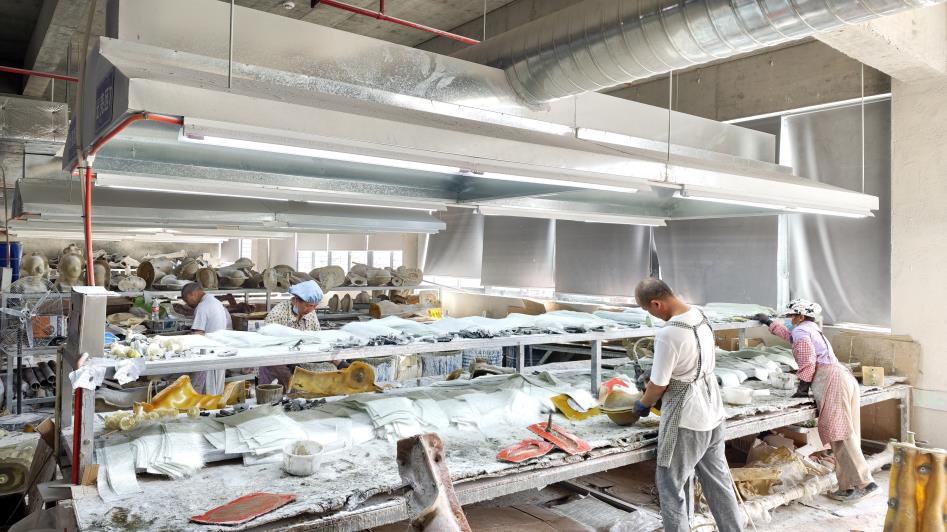
Forming
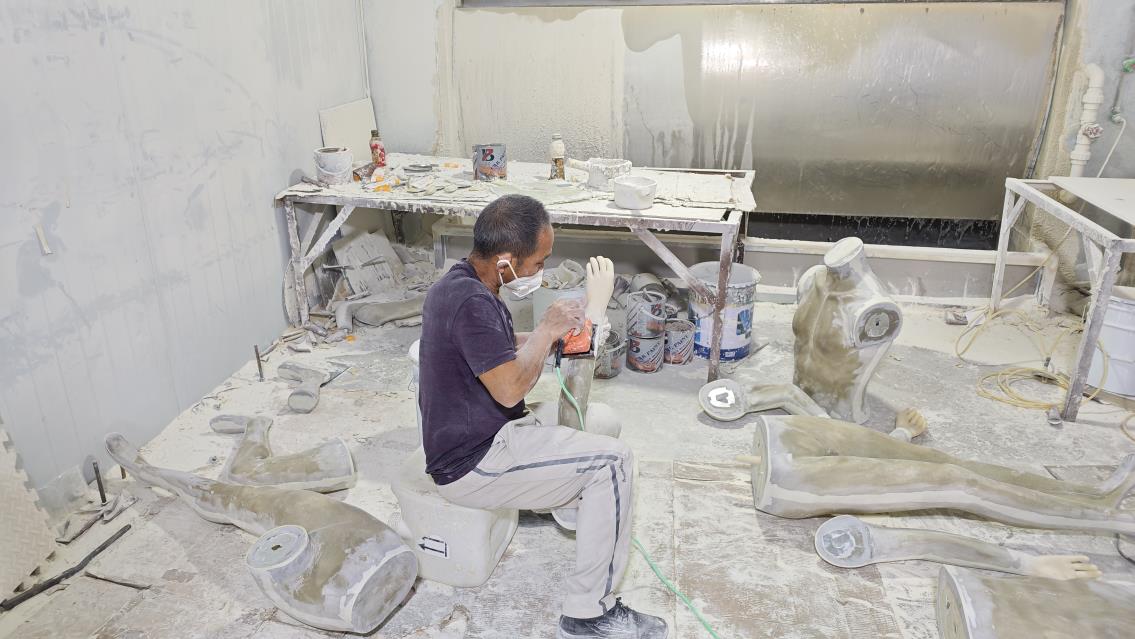
Polish
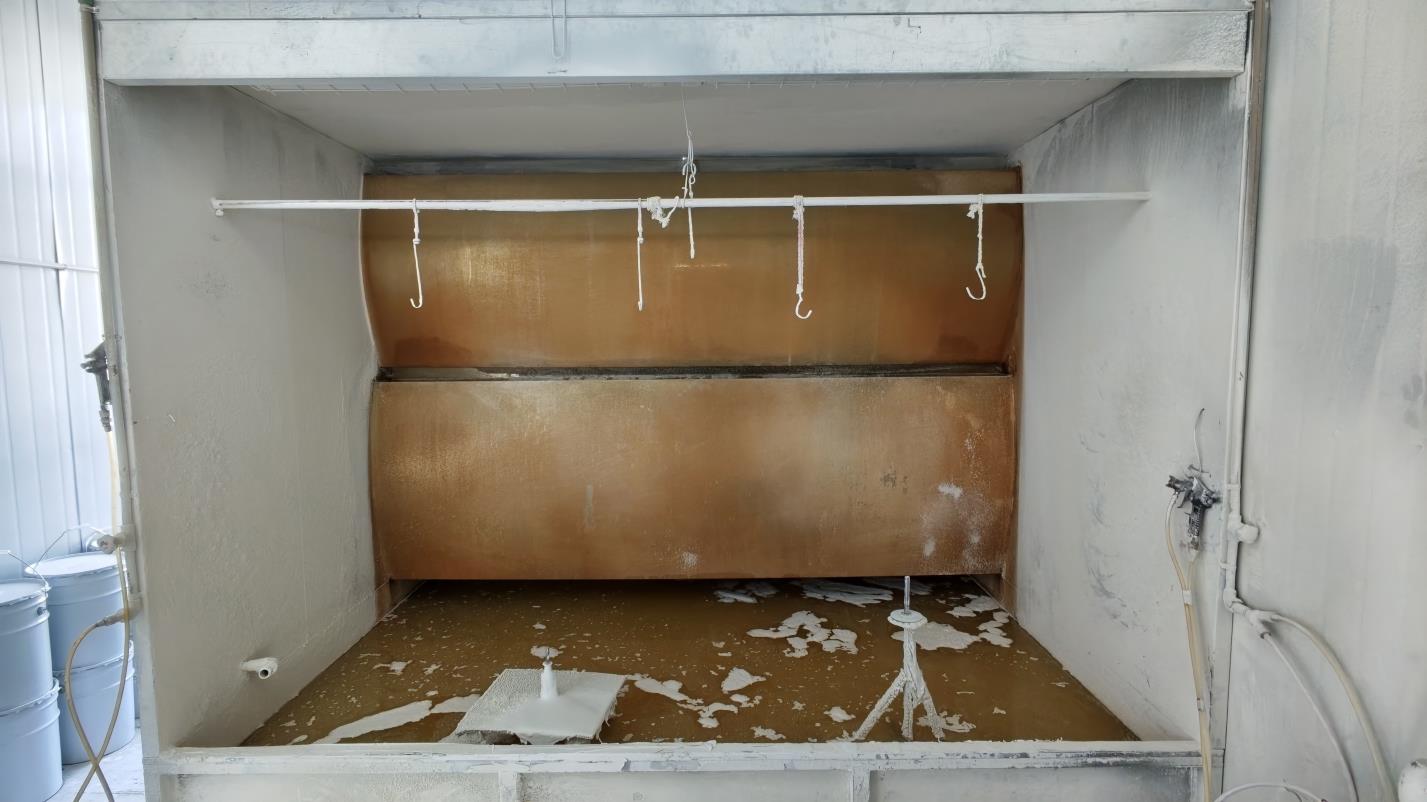
Spray Painting
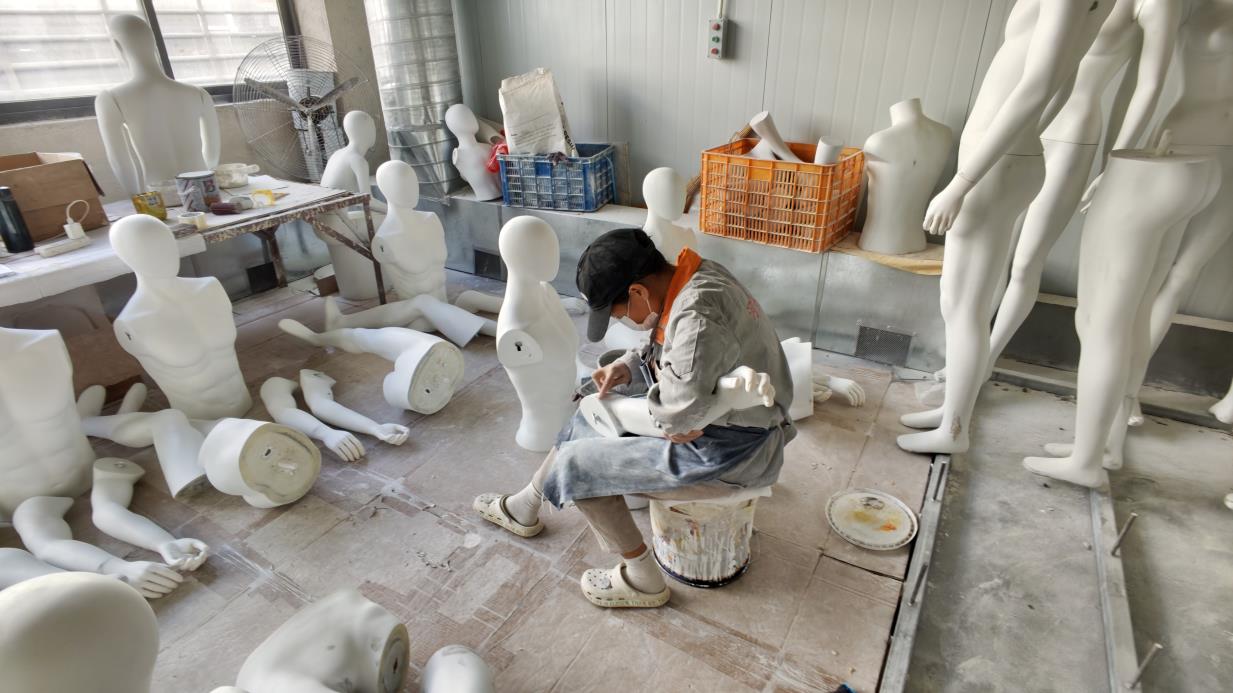
Fine Grinding
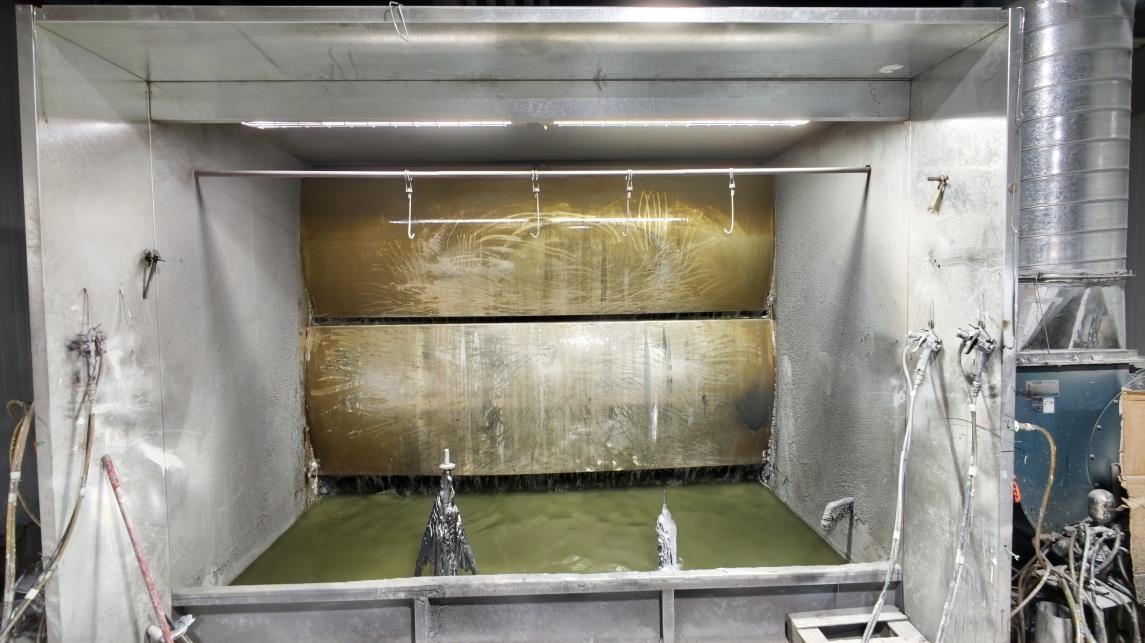
Surface Paint
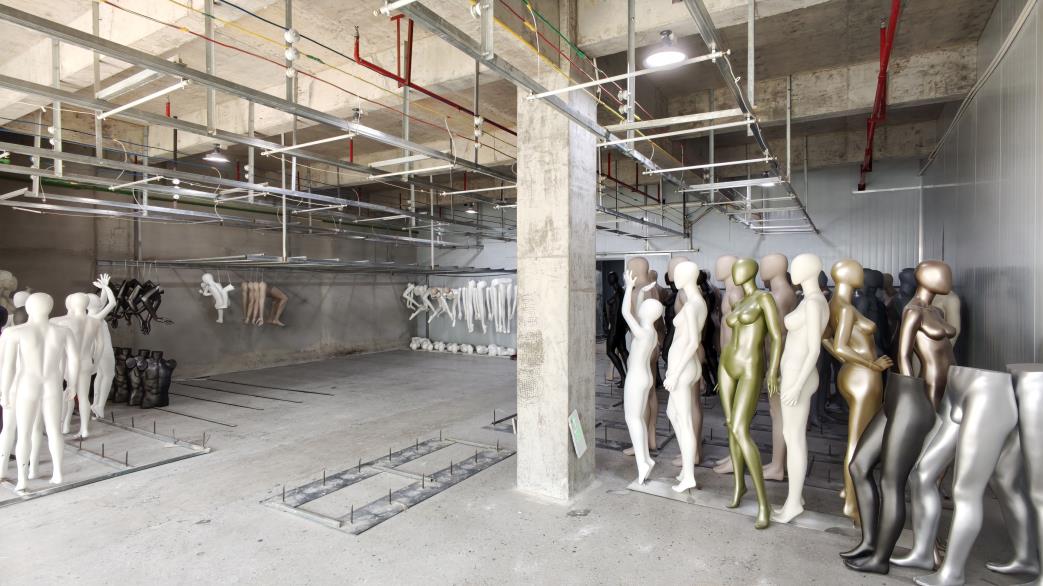
Dry
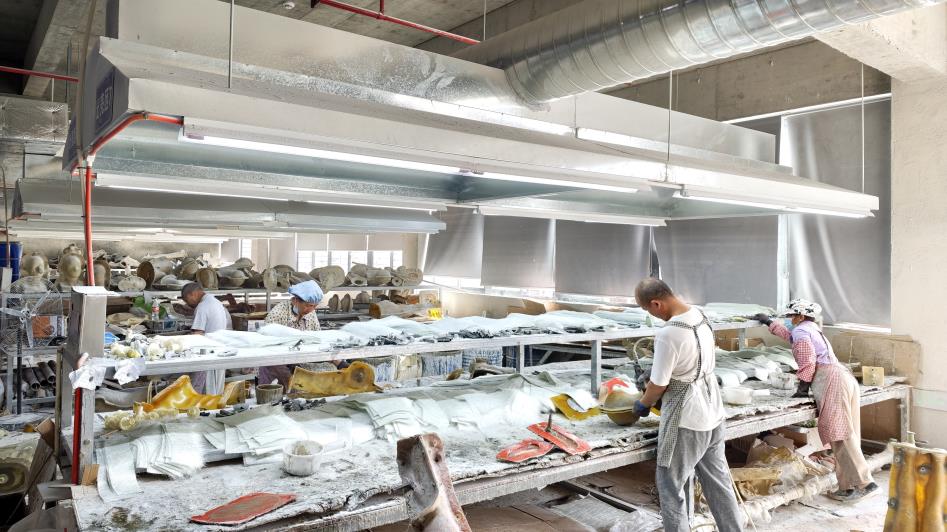
Forming Line
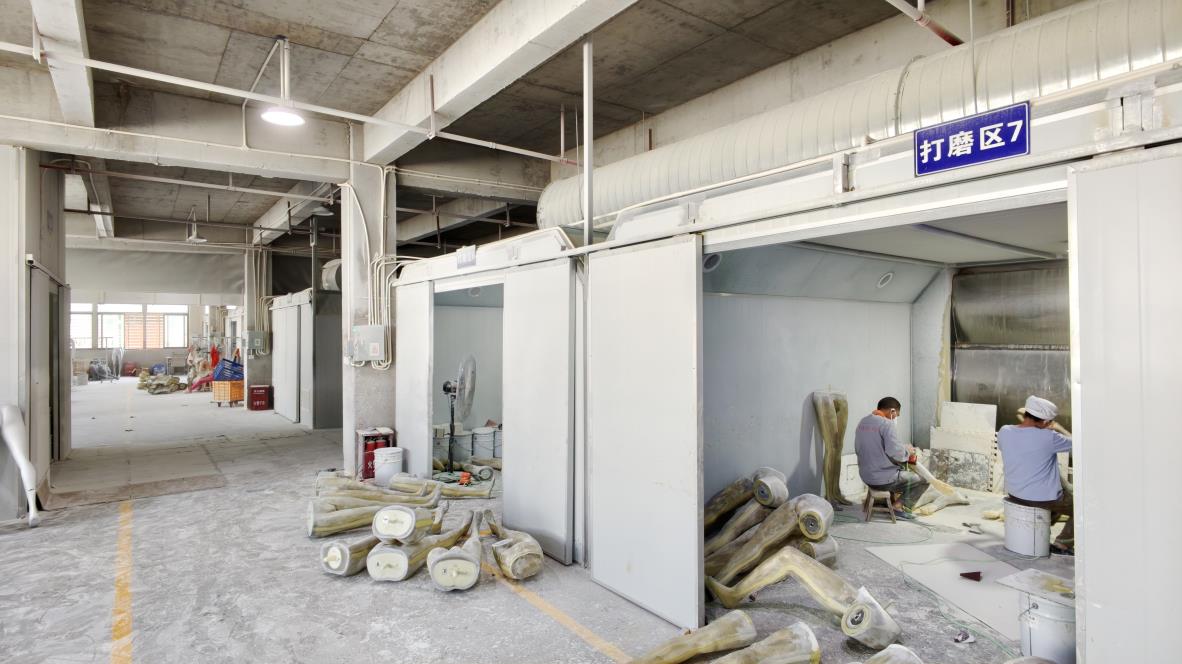
Polishing Room
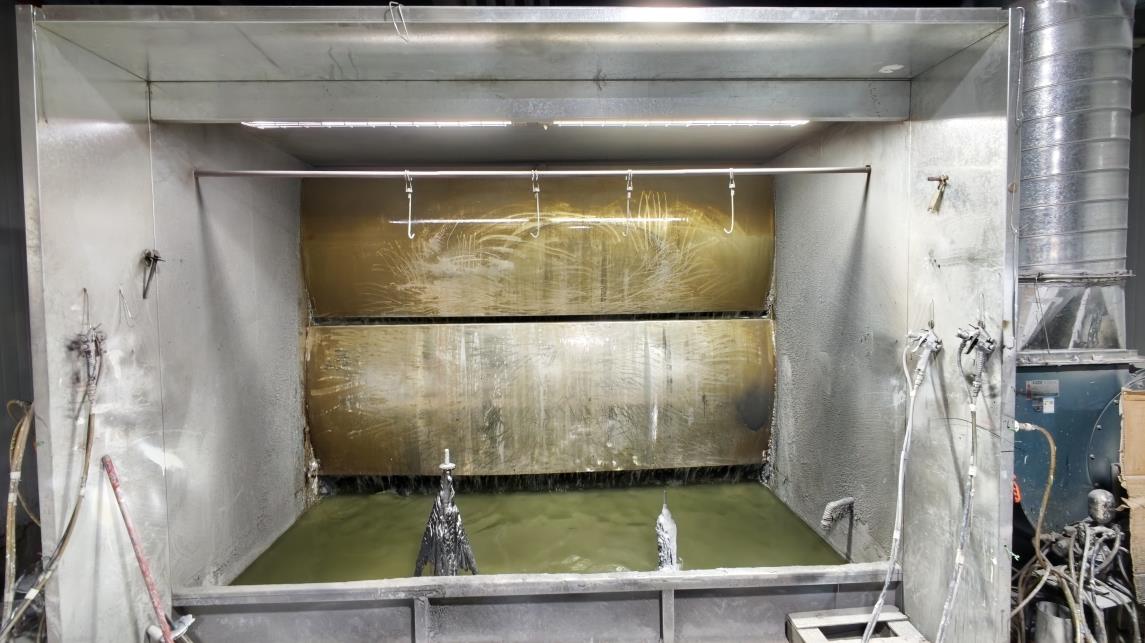
Spray Booth
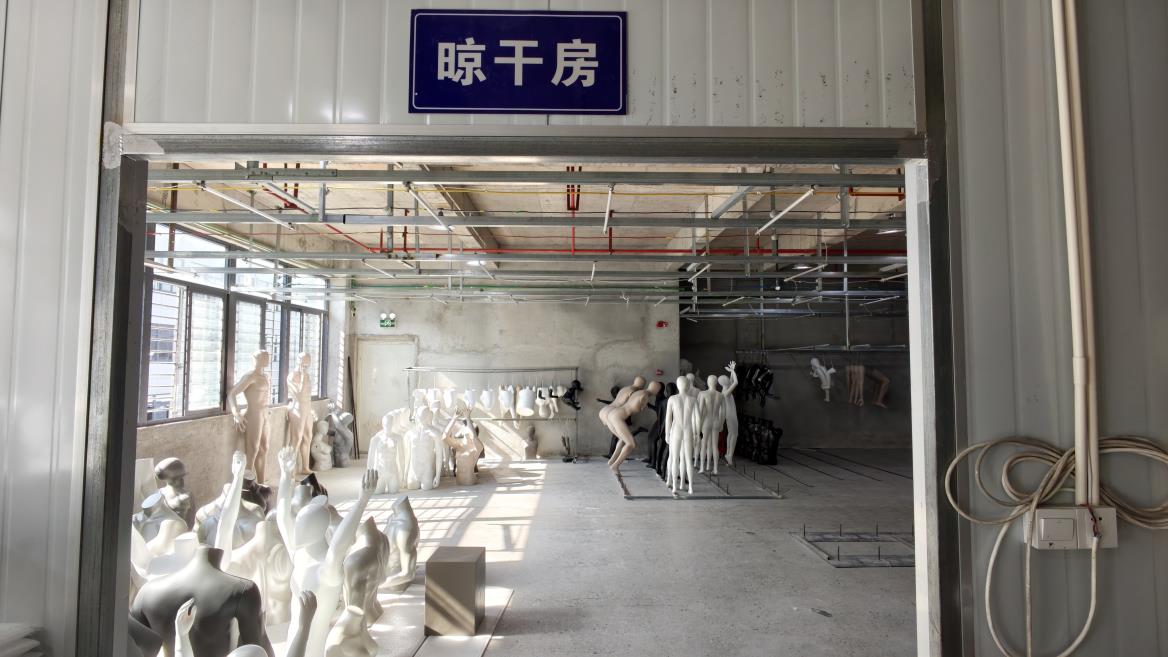
Drying Room
COMPANY PROFILE
Quanzhou Yingchuan Trade Co., Ltd. was established in 2011. As a comprehensive manufacturing and trading company, we are specialized in display products, such as mannequin and hanger rack. We are famous for our superior quality, competitive price, first-class craftwork, safe package and prompt delivery. Therefore, we can fully satisfy your demands and have a large customer base. Our products sell well in South American, North American, Europe and Africa. Apart from our own products, we also provide OEM services and accept customized orders as well. Our products are popular in overseas markets.
For a buyer, the profile is a starting point rather than a final conclusion. It should be combined with sample evaluation, finish approval, packaging review, and order-specific documentation.
How to Evaluate China Wholesale Poster Display Mannequin Suppliers and Exporters
A China-based supplier should be assessed as a commercial partner, not only as a product listing. The following evaluation framework helps buyers structure supplier comparison around evidence rather than assumptions.
Production evidence
Review forming, polishing, spray painting, grinding, surface paint, and drying evidence. Ask how colour consistency is controlled across repeat orders and how damaged surfaces are corrected.
Sample and finish verification
Approve the body form, skin tone, seam quality, base stability, rack finish, and packaging before bulk production. Clear sample records reduce disputes later.
Export packing and mixed-SKU planning
Mannequins and racks have different packing risks. Confirm carton strength, protection for protruding parts, mixed-product loading logic, and document requirements.
Customization governance
For OEM/ODM orders, define pose, dimensions, colour, logo, label, base, packaging, approval steps, and communication responsibilities in writing.
Practical buyer checklist
- Match the mannequin format to the merchandise category and display space.
- Confirm fiberglass, plastic, or metal construction and the intended finish.
- Check a product URL, image, title, and SKU reference before sampling.
- Discuss mixed orders of mannequins, torso forms, racks, and hangers.
- Review safe packaging for long-distance export and local installation.
What creates information gain
- Material logic that explains why one mannequin suits a campaign better than another.
- Localization examples for different retail markets and store formats.
- Process transparency supported by real production images and labels.
- Clear OEM/ODM boundaries and realistic customization guidance.
- Use-case depth that connects poster display mannequins to actual merchandising outcomes.
Frequently Asked Questions About Poster Display Mannequin Wholesale Sourcing
These answers address common commercial questions from retail buyers, distributors, and OEM/ODM sourcing teams comparing China wholesale display mannequin suppliers and exporters.
What is a poster display mannequin in wholesale sourcing?
In wholesale sourcing, “poster display mannequin” is often used as a commercial shorthand for a display form that supports campaign storytelling: headless torso mannequins, full-body mannequins, sports forms, and related rack systems that allow garments, posters, graphics, or merchandise messages to share the same visual zone. The exact product may be a fiberglass torso, a plastic full-body mannequin, or a mixed retail display depending on the buyer’s brief.
What should buyers verify before choosing a China supplier or exporter?
Buyers should verify product specifications, material construction, surface finish, sample quality, packaging method, OEM/ODM capability, and communication responsiveness. Production images, a clear company profile, and a documented approval process are useful E-E-A-T and trust indicators, but they should be confirmed through direct sampling and order-specific checks.
Which materials are commonly used for display mannequins?
Fiberglass is common for detailed sculpting, muscular definition, and premium finishes. Plastic mannequins are often used where weight, volume, and cost control matter. Metal is central to garment racks, hangers, pegboard fixtures, and spinner racks. Many commercial displays combine these materials to balance visual impact, durability, and packing efficiency.
Can mannequins, torso models, and garment racks be customized for OEM orders?
Yes, the company profile states that OEM services are provided and customized orders are accepted. Typical customization discussions may include body form, pose, colour, skin tone, base design, rack finish, logo plates, packaging, and mixed-SKU carton plans. The exact scope should be agreed in writing before sampling and bulk production.
Which export markets does the company profile mention?
The company profile states that products sell well in South America, North America, Europe, and Africa. For buyers in other markets, the practical next step is to request a current export reference, product specification, packaging plan, and sample schedule for the exact item under consideration.
How should a buyer plan a mixed order of mannequins and racks?
Start with the retail scenario: window display, boutique floor, outlet, showroom, hardware store, or teaching environment. Then match mannequin forms to the garment or training use case, select racks and hangers that fit the space, and confirm packing compatibility. Mixed orders can improve container efficiency, but they require closer coordination on carton sizes, product protection, and loading sequence.
Wholesale Poster Display Mannequin and Fixture Shortlist: Second Group of 8 Products
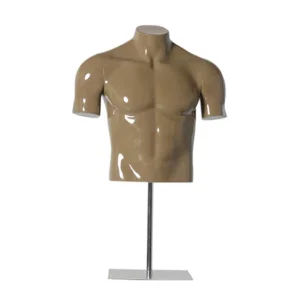
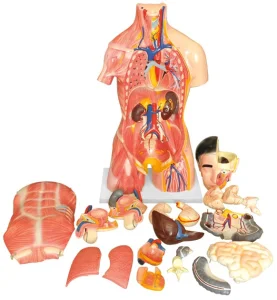
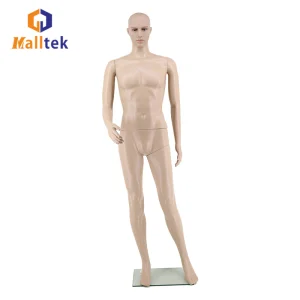
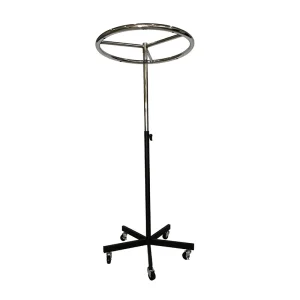
The final group continues the wholesale assortment with muscular male half-body mannequins, foldable laundry and display racks, a floor-standing spinner rack, a skin-tone plastic mannequin, a dual-sex medical teaching torso, a full-body window display mannequin, and a rotating chrome garment rack. These products demonstrate how mannequins, racks, and display hardware can be combined into a single export-oriented sourcing plan.