How to Understand the Popularity of Realistic Mannequins in Retail?

Time:2026-05-25 Author:Isabella
0%

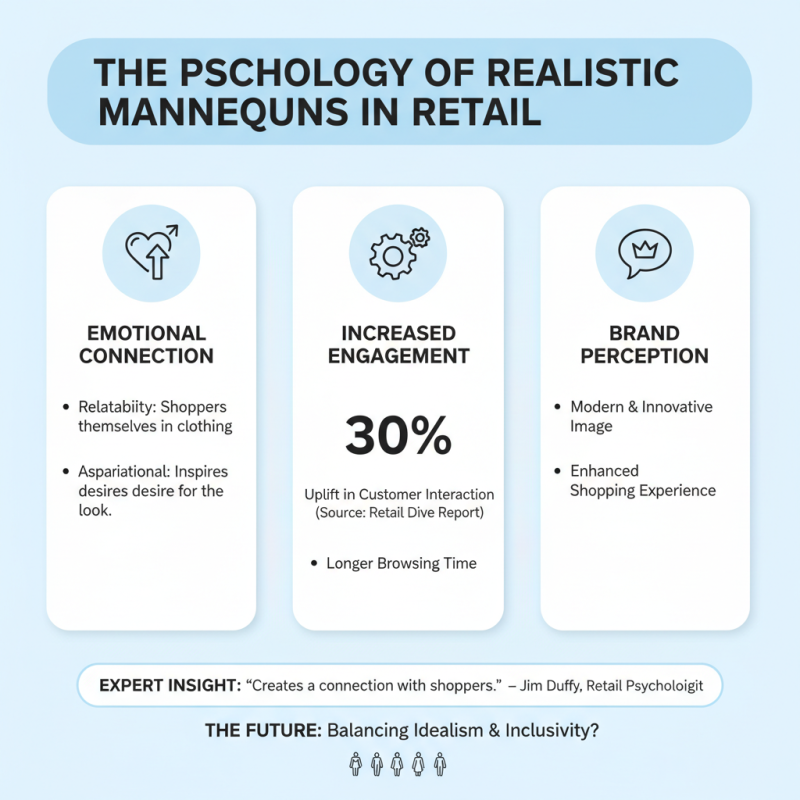
In recent years, realistic mannequins have gained immense popularity in retail. They play a crucial role in enhancing the shopping experience for customers. A report by Retail Dive reveals that stores using lifelike mannequins see a 30% increase in customer engagement. Why are realistic mannequins popular in retail stores?

Expert Jim Duffy, a renowned retail psychologist, states, "Realistic mannequins create a connection with shoppers that standard displays cannot." This connection fosters an emotional response, making it easier for buyers to envision themselves in the apparel displayed. The lifelike features and poses engage consumers, allowing them to relate to the merchandise on a personal level.

However, one must consider the balance between innovation and consumer expectations. Despite their effectiveness, unrealistic portrayals can alienate certain customers. Not every shopper resonates with the mannequin's idealized appearance. Some argue that brands should prioritize diversity and inclusivity, bringing forth a wider range of body types. As retailers navigate this fine line, understanding the underlying question—Why are realistic mannequins popular in retail stores—becomes essential for future strategies.
How to Understand the Popularity of Realistic Mannequins in Retail?

Significance of Realistic Mannequins in Enhancing Retail Experience

Realistic mannequins play a critical role in enhancing the retail experience. They do more than just display clothing; they create an immersive atmosphere. Customers often respond better to lifelike models than traditional display techniques. This emotional connection influences purchasing decisions. The colors, postures, and expressions of these mannequins can evoke specific feelings. Retailers can tap into this psychology to boost engagement and sales.

When incorporating realistic mannequins, focus on authenticity. Select mannequins that represent diverse body types and demographics. This inclusivity resonates well with a broader audience. Make sure the mannequins mirror current fashion trends. This keeps the display fresh and relevant. Proper lighting can enhance the visual impact, drawing customers in and making them stay longer.

Tip: Regularly reassess your mannequin choices. Trends shift, and staying updated is vital. Observe customer interactions with them. What catches their attention? Consider feedback and data to improve. Engaging mannequins can sometimes overshadow product quality. Strive for a balance, ensuring that the product remains the star. Realistic mannequins should enhance, not distract, from the retail experience.

Trends in Retail Design: The Shift Towards Realistic Mannequins

The shift towards realistic mannequins in retail design reflects a deeper understanding of consumer psychology. Research from the Visual Merchandising Association reveals that lifelike mannequins can boost store foot traffic by as much as 15%. Customers are drawn to more relatable displays that resonate with their own experiences and lifestyles. This trend indicates a strong desire for authenticity in retail spaces.

Realistic mannequins offer brands an innovative way to showcase their products. By mimicking real human features, these displays create an emotional connection with shoppers. In fact, a 2022 report from the Retail Innovation Lab found that stores utilizing realistic mannequins noted a 20% increase in buyer engagement. However, this creativity must be balanced with brand consistency and visual clarity. Some retailers struggle to strike this balance, risking confusion about their brand identity.

The aesthetic appeal of realistic mannequins is undeniable. Customers appreciate detailed features and diverse body types. But this trend isn't without its challenges. The manufacturing costs can be higher than traditional mannequins. Brands must weigh the potential return on investment against these costs. This evolving landscape calls for continual adaptation and reflection on what truly resonates with consumers.

Impact of Realistic Mannequins on Consumer Engagement and Sales

Realistic mannequins have become integral to retail experiences. Studies show that 70% of consumers engage more with stores featuring lifelike displays. These mannequins evoke emotions and create relatable scenarios. Their realistic features can lead to higher sales and a memorable shopping experience.

A recent report highlights that stores with realistic mannequins see a 30% increase in foot traffic. Shoppers are drawn to the lifelike representation of clothing. This connection can stimulate the desire to purchase. However, not all displays resonate equally. Factors like diversity and body representation matter immensely. An unrealistic portrayal can alienate potential customers.

Effective use of mannequins requires ongoing reflection. Retailers must continually assess whether their displays meet consumer expectations. Balancing aesthetics with relatability is crucial. Businesses that falter may see diminished engagement and sales. The journey toward sustainable success in retail involves understanding these complexities deeply.

Impact of Realistic Mannequins on Consumer Engagement and Sales

Statistical Analysis of Sales Increases Linked to Realistic Display

The rise of realistic mannequins in retail is tied to intriguing sales data. A recent statistical analysis highlights a significant increase in sales when retailers adopt these lifelike displays. Retailers often report increases of up to 30% in customer engagement. This shift changes the shopping experience. Customers connect with products better when they see them represented in a relatable way.

However, not all retailers see the same results. Factors like store layout and overall marketing strategy play crucial roles. For example, a clothing store might experience different outcomes based solely on mannequin placement. Poorly positioned mannequins can detract from the overall thematic display. Retailers need to be mindful of how these figures resonate with customers. Balance is key.

While realistic mannequins enhance browsing, their cost is a concern. Investing in high-quality mannequins requires careful consideration. Some retailers may hesitate due to budget constraints. Still, ignoring this trend could mean losing customers to more visually engaging competitors. Future success may rely on the ability to adapt and refine Display strategies.

Psychological Effects of Mannequin Realism on Shopping Behavior

Realistic mannequins have become increasingly common in retail settings. Their lifelike features can influence shoppers’ perceptions. A study indicates that realistic mannequins attract more attention and create emotional connections. This emotional engagement can encourage impulse purchases.

Shoppers may find it easier to visualize themselves wearing the displayed outfits. This connection can lead to a greater desire to buy. Yet, these effects can vary. Some shoppers might feel overwhelmed by hyper-realistic representations. It’s crucial for retailers to find a balance.

**Tips:**
Consider the demographic of your target audience. Are they responding positively to realism? Test various styles and observe customer reactions. Use realistic mannequins for key displays, but also incorporate more abstract designs. This mix can cater to diverse shopper preferences.

How to Understand the Popularity of Realistic Mannequins in Retail? - Psychological Effects of Mannequin Realism on Shopping Behavior

Dimension Description Impact on Shopping Behavior
Realism Level The degree to which mannequins resemble real people in appearance Higher realism tends to create a stronger emotional connection, influencing consumers to spend more time in stores.
Gender Representation The balance of male and female mannequins in a retail environment Appropriate gender representation can enhance relatability, making consumers feel more comfortable with the merchandise.
Pose Dynamics The way mannequins are positioned and the postures they adopt Dynamic poses can evoke action and inspire consumers to imagine themselves using the products.
Diversity The inclusion of mannequins representing various body types, ethnicities, and styles Promoting diversity increases the likelihood of shoppers feeling adequately represented and may enhance brand loyalty.
Facial Features The detail and expressiveness of mannequins’ facial features Realistic facial features can attract attention and create an inviting shopping atmosphere, leading to increased engagement.

FAQS

: What are realistic mannequins?

: Realistic mannequins mimic human features for engaging retail displays. They enhance emotional connections with shoppers.

How do lifelike mannequins affect store traffic?

Stores with realistic mannequins can see a 15% increase in foot traffic. Customers are drawn to relatable displays.

What impact do realistic mannequins have on sales?

A 30% increase in sales is often reported with lifelike displays. They help customers connect with products better.

Why are diverse body types important for mannequins?

Diverse body representation resonates with more customers. It increases relatability and avoids alienating potential buyers.

What challenges exist with realistic mannequins?

Manufacturing costs are higher than traditional mannequins. Retailers must weigh potential ROI against these costs.

How important is ongoing reflection in retail display strategies?

Continuous evaluation is crucial. Retailers need to ensure displays meet customer expectations to maintain engagement.

Can mannequin placement affect sales results?

Yes, poor placement can detract from the display's effectiveness. Layout significantly influences customer engagement outcomes.

What should retailers consider before investing in realistic mannequins?

Retailers must assess budgets carefully. Ignoring this trend risks losing customers to more visually appealing competitors.

How can brands maintain balance in their displays?

Balancing aesthetics with relatability matters. Brands must ensure their displays align with their overall identity while being engaging.

What can happen if retailers struggle with mannequin displays?

Struggles can lead to diminished sales and engagement. Constant adaptation and reflection on strategies are essential for success.

Conclusion

The article "How to Understand the Popularity of Realistic Mannequins in Retail?" explores the significant role that realistic mannequins play in enhancing the retail experience. It outlines how trends in retail design have shifted towards the use of these lifelike models, which not only attract consumer attention but also create a more immersive shopping environment. Furthermore, the article examines the impact of realistic mannequins on consumer engagement and sales, providing a statistical analysis that highlights the increases in sales linked to their utilization.

A key question addressed is, "Why are realistic mannequins popular in retail stores?" This popularity stems from their psychological effects on shopping behavior, as they evoke relatable human presence and style, thereby influencing consumers' perceptions and decisions. Overall, the article underscores the importance of integrating realistic mannequins into retail spaces to maximize customer interaction and drive sales growth.

Isabella

Isabella

Isabella is a dedicated marketing professional with a sharp focus on driving brand growth and engagement through strategic content creation. With an extensive background in digital marketing, she combines her passion for storytelling with her keen understanding of industry trends to deliver......