Choosing the right mannequin for retail store display is crucial for attracting customers. Industry expert Jane Smith, a renowned visual merchandising consultant, emphasizes, “The right mannequin can transform a store layout, making products more appealing.” This highlights the importance of selecting mannequins that complement the brand and products.
Consider the styles, colors, and sizes of mannequins to align with your store’s aesthetic. For example, a boutique selling luxury clothing may benefit from elegant, high-end mannequins. In contrast, a casual apparel store might choose more relaxed and approachable figures. Selecting mismatched styles can confuse customers and dilute brand identity.
Keep in mind that mannequins are more than just figures. They are tools to tell your brand’s story. Evaluate your display space and how mannequins will fit within it. Each display should engage customers and encourage them to explore further. The process can be challenging, and sometimes you might question if the chosen mannequins convey the right message. Reflect on the details—shape, pose, and material. Finding the perfect mannequin will ultimately enhance your display and boost sales.
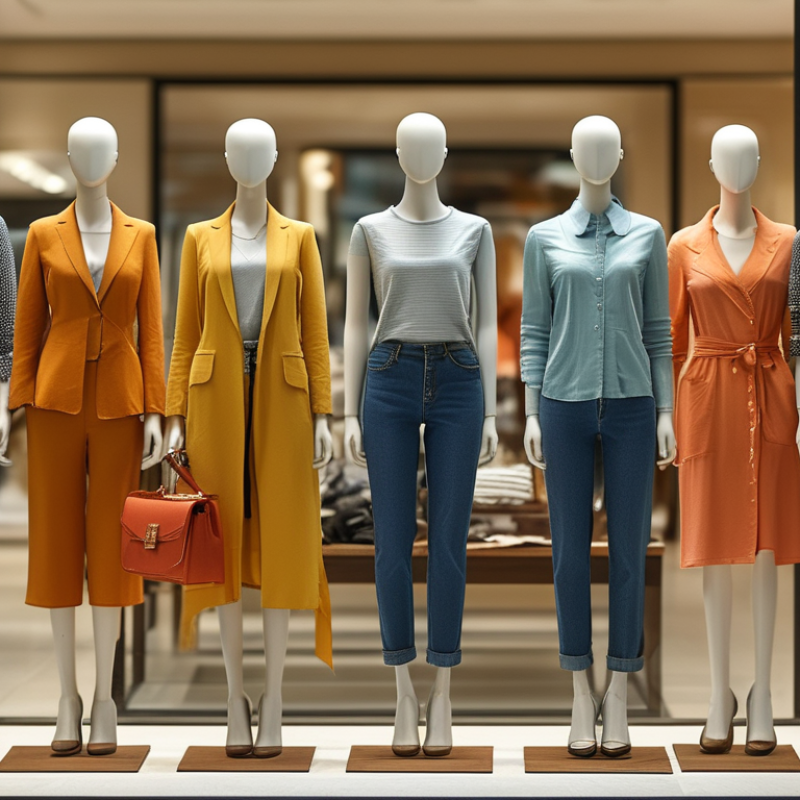
Understanding the Role of Mannequins in Retail Displays
Mannequins play a crucial role in retail displays. They serve as silent salespeople, showcasing products in an engaging way. A well-placed mannequin draws customer attention. It can create a mood, tell a story, or highlight fashion trends. The right mannequin can transform a simple display into an artistic statement.
Choosing the right mannequin requires thought. Consider its pose and expression. A relaxed pose might invite browsing, while a dynamic stance can spur excitement. Material quality matters too. A well-crafted mannequin lends authenticity to the display. However, it’s important to reflect on the mannequin's visual appeal. An awkward pose or poor fit can turn potential customers away. Retailers should review how customers interact with the display regularly.
Feedback can help adjust mannequin choices to better suit the audience. Visual merchandising evolves. What works one season may fall flat the next. Staying alert to trends is essential. Retailers should not be afraid to experiment with different styles. The goal is to captivate and inspire shoppers. Reflecting on what resonates with customers helps fine-tune displays. Ultimately, a mannequin should enhance the shopping experience, not distract from it.
Evaluating Different Types of Mannequins for Your Store
Selecting the right mannequins for your retail display is crucial. Various types of mannequins serve different needs. For clothing stores, full-body mannequins are ideal. They show the entire outfit and help customers visualize their purchase. On the other hand, torso mannequins highlight specific garments. They can be especially effective for showcasing accessories like belts or scarves.
When evaluating different types, consider your store's theme. Realistic mannequins create a lifelike representation of your target customers. They engage shoppers and inspire empathy. Abstract mannequins, with their unique designs, can draw attention and emphasize artistic displays. Reflect on your brand's identity. Sometimes, the perfect mannequin aligns with your store's vibe, but other times, it feels out of place.
Material also plays a role in mannequin choice. Fiberglass mannequins are durable yet can be heavy. Plastic mannequins are lightweight and easy to move. However, they may lack detail. Think about your display needs. A mannequin should enhance your product, not distract from it. Continuous evaluation of your display strategies can lead to better engagement over time.
Considering Size, Scale, and Proportions in Mannequin Selection
When choosing mannequins for retail displays, size and scale are crucial factors. Mannequins need to complement the space they occupy. A large store benefits from larger, more dramatic mannequins. Smaller shops should opt for more compact models. The visual balance between the mannequin and the surrounding merchandise enhances overall appeal.
Proportions play a key role as well. A mannequin's body dimensions should reflect the target customer base. Understanding your demographic is essential. For example, if the store caters to a younger audience, opt for contemporary designs. Classic shapes may resonate better with an older crowd. It's important to think about how each mannequin will showcase the clothing.
Remember that selecting mannequins is not entirely straightforward. Misjudging the scale can lead to an awkward display. Moreover, mannequins should allow your products to shine. Consider the active relationship between the mannequin and the apparel. Always be open to reassessing your choices. What worked once may not work forever. Adaptability in your selection will lead to a more engaging shopping experience.
Top 10 Tips for Choosing Mannequins for Retail Displays
| Tip Number |
Tip Description |
Size Considerations |
Scale & Proportions |
| 1 |
Choose the right height for your mannequins. |
Consider the average height of your target customers. |
Ensure the proportions reflect your fashion style. |
| 2 |
Select mannequins that match your brand image. |
Consider the body type that aligns with your products. |
Reflect your target demographic through body shapes. |
| 3 |
Assess how many mannequins you need. |
Evaluate the size of your retail space. |
Ensure a visual balance in display areas. |
| 4 |
Incorporate diversity in body shapes and sizes. |
Feature plus-size or alternative body types. |
Match sizes with the clothing you offer. |
| 5 |
Select versatile mannequins. |
Look for adjustable or modular designs. |
Support varying displays with one model. |
| 6 |
Consider the finish of your mannequins. |
Matte or glossy finishes can influence presentation. |
Choose finishes that complement your products. |
| 7 |
Think about the posture of the mannequins. |
Dynamic poses can attract more attention. |
Ensure poses reflect the clothing style. |
| 8 |
Evaluate the stability of the mannequins. |
Ensure they can withstand store environments. |
Balance is key to avoid tipping. |
| 9 |
Consider the ease of dressing mannequins. |
Choose models that simplify clothing changes. |
Facilitate quick wardrobe changes for displays. |
| 10 |
Think ahead to seasonal displays. |
Plan for flexibility across seasons and trends. |
Adjust size and style accordingly for holidays. |
Choosing Materials and Finishes to Match Your Brand Aesthetic
When selecting mannequins for your retail displays, the materials and finishes you choose play a vital role. Each brand has a unique aesthetic, which can be highlighted by the right choices. For instance, leather finishes evoke luxury and sophistication, while wood grain can suggest warmth and earthy vibes. However, don't overlook how different materials interact with lighting and surroundings. A glossy finish may shine under certain lights but could reflect unwanted colors.
It's important to consider the durability of materials too. A delicate fabric may look beautiful on the surface but could degrade quickly in a high-traffic store. Think about how your mannequins will withstand the test of time. Ask yourself, do they align with your brand’s long-term vision? This kind of introspection can lead to better choices. Sometimes, a less conventional material, like recycled options, can stand out and convey a modern message of sustainability.
Additionally, the choice of color and texture is paramount. Bright, bold colors can grab attention but may not suit every brand. On the other hand, neutral shades can be versatile but risk being overlooked. Balancing these factors requires critical thought and creativity. Consider experimenting with different finishes and materials to discover what truly resonates with your audience. The perfect mannequin is one that not only displays your products but also embodies your brand’s essence.
Budgeting for Mannequins: Cost vs. Quality Considerations
When choosing mannequins for retail displays, budgeting becomes a crucial consideration. The balance between cost and quality can significantly impact your visual merchandising strategy. According to industry reports, businesses often allocate 10-20% of their display budgets to mannequins. This percentage varies based on specific retail needs and the overall marketing strategy.
Investing in quality mannequins can yield long-term benefits. High-quality models enhance the display's aesthetics and can withstand wear and tear. However, cheaper options might save money upfront but could result in damage or replacement costs over time. An analysis by a retail consultancy firm indicates that spending slightly more upfront can reduce lifetime costs by up to 30%. In many cases, durability and visual appeal justify the initial investment.
Ultimately, consider the materials and design of the mannequins. Lifeless and poorly designed mannequins can detract from the merchandise displayed. Retailers need to reflect on their brand image when selecting these displays. The right mannequin not only showcases products but also tells a brand story. Investing carefully is essential for retailers looking to enhance their overall shopping environment.
Conclusion
Choosing the right mannequin for retail store display is crucial for effectively showcasing your merchandise and enhancing the shopping experience. Understanding the role of mannequins in visual merchandising starts with evaluating different types available in the market. Retailers should consider factors such as size, scale, and proportions to ensure the mannequins resonate with the target audience and the clothing being displayed.
Additionally, selecting materials and finishes that align with your brand's aesthetic can significantly impact consumer perception. Budgeting is another critical aspect, where balancing cost with quality is essential to make a sustainable investment. By focusing on these elements, retailers can make informed decisions that elevate their displays and attract more customers.
 Tianran Trade
