How to Store Mannequins When Not in Use in 2026?

Time:2026-11-03 Author:Mason
0%

How to store mannequins when not in use begins with a simple goal: protect their finish, shape, and parts from avoidable damage. A mannequin leaning against a concrete wall can collect scuffs; a loose hand or neck cap can disappear before the next display change. Small storage choices matter.

Mannequins vary. Some are fiberglass, while others use plastics, coatings, metal fittings, or fabric coverings. The Canadian Conservation Institute’s technical guidance, Care of Objects Made from Plastics (CCI Notes 15/1), explains why material condition and storage environment deserve attention. The U.S. National Park Service Museum Handbook also offers established guidance on handling and storing collection objects. Neither source provides a mannequin-specific failure rate, so precise industry-wide damage statistics would be misleading.

Yvonne Shashoua, a plastics-conservation scientist and author of Conservation of Plastics, is a relevant expert on material degradation. However, I cannot verify a published sentence from her specifically about mannequin storage, so I will not present invented words as a quotation. That distinction matters. A credible storage plan should rely on documented care principles and the mannequin maker’s instructions, not confident-sounding guesses. Keep components together, protect painted surfaces with clean, non-abrasive covering, and avoid stacking weight on limbs. Check the storage area for dust, moisture, and direct sunlight. Then inspect the mannequin before reuse. It may still need repair.
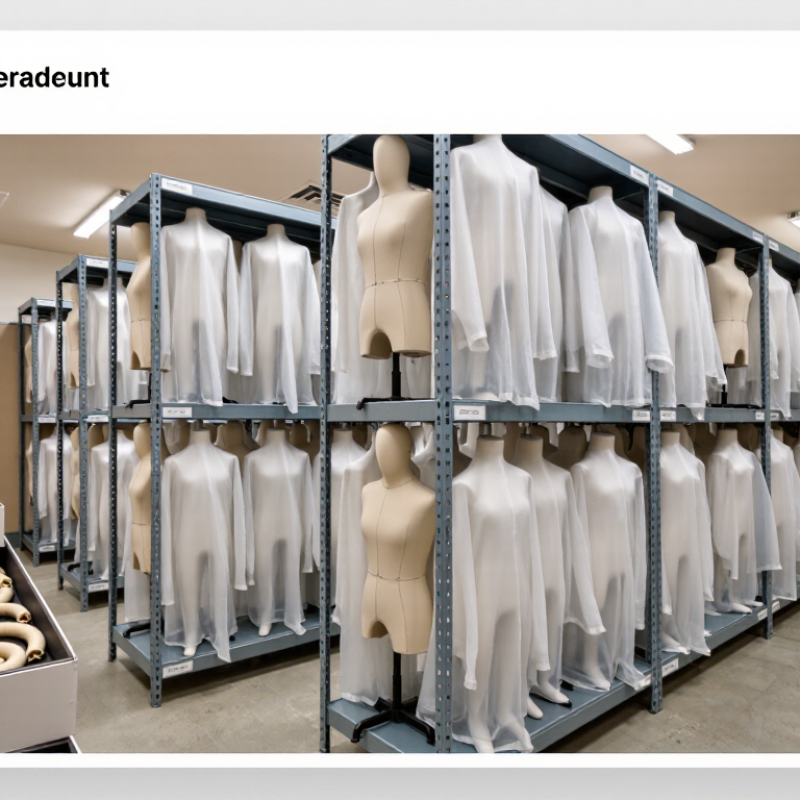
How to Store Mannequins When Not in Use in 2026?

Assess the Mannequin’s Materials and Storage Requirements

How to Store Mannequins When Not in Use in 2026?

Assess the Mannequin’s Materials and Storage Requirements

A mannequin’s material determines how it should be stored. Fiberglass shells can chip at thin edges, while plastic parts may warp under pressure or heat. Foam forms can deform if left leaning against a wall. Fabric-covered bodies also collect dust and may hold moisture. Check the maker’s care instructions, then inspect joints, finishes, and detachable parts before packing. One overlooked crack can spread during handling.

For a stable indoor store, the National Park Service’s Museum Handbook, Part I, Appendix I, uses about 70°F and 50% relative humidity as general collection-care reference points. These are not mannequin-specific limits, but they help flag risky conditions: damp basements, hot lofts, and rapid climate swings. Keep each figure off concrete floors and away from windows, heaters, and exterior walls. A dry, padded shelf is often better than a sealed plastic bag.

Clean and Dry the Mannequin Before Storage

How to Store Mannequins When Not in Use in 2026?
Clean and Dry the Mannequin Before Storage

Before putting a mannequin away, remove clothing and accessories, then gently wipe dust from the surface, neck, and joints with a soft microfiber cloth. For fingerprints or light grime, use a cloth dampened with water and a little mild soap. Check the care instructions first, and test the cleaner on a hidden spot. Some finishes mark easily. Avoid soaking the mannequin or letting water run into seams, sockets, or hollow sections. I have seen careful cleaning undone by one rushed wipe with a rough towel.

Let every part dry completely before storage. Pay extra attention to the base connection, joint gaps, and any areas covered by clothing. A faint damp patch can become a stain or leave an unpleasant odor in a closed storage space. Use a clean, dry towel to blot moisture, then leave the mannequin in a ventilated room until the surface feels dry. Don’t rush it. If you are unsure whether a mark needs stronger cleaner, check the material guidance rather than scrubbing harder.

Tips: Handle the mannequin with clean hands, and keep it away from direct sunlight while drying. Store removable parts only after they are fully dry. A quick final check helps, though it is easy to miss the underside of a joint.

Disassemble and Protect Removable Components

Before storing a mannequin, check which parts are designed to come off. Many models have detachable heads, arms, hands, torso sections, or bases. Follow the care instructions, and never force a joint that feels stuck. A rushed twist can crack a fitting or loosen its connector. Take a quick photo before disassembly, especially if the mannequin has several similar-looking pieces. Keep screws, pins, and adapters together in a labeled pouch.

Wrap each component separately with clean, soft fabric or protective foam. Cover fingers, noses, and other narrow areas carefully; they can chip when parts bump together. Store the base flat and support long limbs so they do not bend under their own weight. Make sure every piece is clean and fully dry before wrapping. Sealed plastic can trap moisture, so breathable wrapping is often a safer choice. I still find small parts easy to misplace, even with a tidy setup.

Tips: Label each wrapped part by position, not just by shape. Keep the hardware pouch with the torso, and store everything in a dry, stable area. Avoid stacking heavy items on top. Check the mannequin’s condition before reassembly; a little extra inspection can prevent a bigger repair later.

Choose a Stable, Climate-Controlled Storage Area

Choose a dry, enclosed room with steady temperature and humidity. Avoid garages, basements, and lofts, where seasonal swings can encourage mold or stress mannequin materials. ASHRAE’s 2023 Handbook—HVAC Applications discusses roughly 50% relative humidity as a common target for museum collections, while emphasizing that materials and acceptable fluctuations differ. The U.S. Environmental Protection Agency recommends keeping indoor humidity between 30% and 50% where possible. These figures are useful guides, not a promise that every mannequin needs identical conditions.

Place mannequins away from windows, heaters, exterior walls, and air-conditioning vents. A small digital hygrometer helps reveal overnight or seasonal changes; check it regularly, rather than trusting the room’s feel. Small shifts matter. Store figures upright on stable bases, with padded supports under delicate joints, and leave space between them for airflow. Use a clean, breathable cotton cover to reduce dust. Avoid sealed plastic bags, which can trap moisture if the mannequin or room is damp. Fiberglass, foam, and fabric components respond differently, so inspect seams, finishes, and bases before storage. One detail is easy to miss: a climate-controlled room may still have a cold, damp corner. Check the actual storage spot, not just the thermostat.

Position, Cover, and Periodically Inspect the Mannequin

How to Store Mannequins When Not in Use in 2026?

Position the mannequin on a flat, stable surface, away from direct sunlight, heaters, and damp walls. UV exposure can fade finishes, while heat may affect some plastics or adhesives. Keep the figure upright when its stand supports it securely. If it must lie down, place it on a padded surface and avoid pressure on hands, ears, or projecting features. Remove garments and accessories that may transfer dye or pull on joints. Small details matter.

Cover the mannequin with a clean, breathable fabric cover to limit dust without trapping moisture. Avoid wrapping it tightly in plastic, especially in a humid room. Leave space around the cover for airflow, and keep storage areas clear of boxes that could fall against the figure. Check it monthly. Look for dust, discoloration, loose fittings, cracks, or signs of moisture. Inspect the stand and joints gently; forcing a stiff connection can cause damage. If you find condensation or a musty smell, uncover the mannequin and improve ventilation before covering it again. A quick inspection takes little time, though it is easy to postpone.

How to Store Mannequins When Not in Use in 2026? - Position, Cover, and Periodically Inspect the Mannequin

Use this practical checklist to help reduce dust, surface damage, and avoidable wear during storage.

Storage Dimension Recommended Practice Why It Matters Inspection or Maintenance
Position Place the mannequin upright on a stable, level surface when its stand is secure. If it must be laid down, support the torso and limbs evenly on a clean, padded surface. Stable support helps prevent falls, pressure marks, and unnecessary strain on joints or attachment points. Check that the base, stand, and body are steady before leaving the mannequin in storage.
Disassembly Follow the manufacturer's instructions when removing detachable arms, hands, legs, or other parts. Keep small connectors together in a labeled container. Correct disassembly makes parts easier to organize and reduces the chance of misplaced or damaged fittings. Inspect connectors for cracks, looseness, or missing pieces before reassembly.
Cover Use a clean, breathable fabric cover or a loose dust cover. Avoid tightly wrapping the surface in a way that traps moisture or rubs against delicate finishes. A cover limits dust and accidental scuffs while allowing air to circulate. Keep the cover clean and dry; remove it periodically to check the surface.
Storage Area Choose a clean, dry indoor space away from direct sunlight, heaters, damp walls, and areas where water may leak. Moisture, heat, and prolonged sunlight can contribute to material deterioration or changes in appearance. Look for dampness, condensation, unusual odors, or signs of pests in the storage area.
Contact and Pressure Keep the mannequin clear of sharp edges, heavy objects, and frequently used walkways. Do not place boxes or other items on top of it. Pressure and impact can cause scratches, dents, broken parts, or instability. Check contact points and padded supports for shifting or compression.
Cleaning Before Storage Remove dust with a soft, dry cloth. If cleaning is needed, use a method suitable for the mannequin's material and test it on a discreet area first. Gentle cleaning helps prevent residue from remaining on the surface during storage. Allow any cleaned surface to dry completely before covering the mannequin.
Periodic Inspection At regular intervals, uncover the mannequin and check its surface, joints, stand, and stored accessories. Inspection frequency can depend on the storage conditions. Early checks can reveal dust buildup, moisture, loose fittings, or damage before the mannequin is needed again. Record any issues and address them before returning the mannequin to display or use.
Moving and Handling Use two people for large or awkward mannequins when practical. Lift from secure structural areas rather than pulling on fingers, joints, or delicate parts. Careful handling reduces the risk of drops, joint stress, and damage to detachable components. After moving, confirm that the mannequin and its stand remain stable.

FAQS

How should I store a mannequin made from different materials?

Check its care instructions and inspect joints, finishes, and detachable parts. Fiberglass edges can chip; foam can deform when leaned against a wall. Materials differ.

What kind of room is suitable for storage?

Choose a dry, enclosed room with steady conditions. Avoid damp basements, hot lofts, and garages. Check the actual corner, not only the thermostat.

What temperature and humidity should I aim for?

Around 70°F and 50% relative humidity are general collection-care reference points, not mannequin-specific rules. Indoor humidity between 30% and 50% is a useful guide. Not a guarantee.

Where should I place the mannequin?

Keep it on a stable base, off concrete floors, and away from windows, heaters, exterior walls, and air vents. Leave space for airflow.

Should I take the mannequin apart before storing it?

Remove arms or heads only if their fittings allow it. Photograph the assembly first, then label and wrap each part separately. Take care.

How can I reduce dust without trapping moisture?

Use a clean, breathable cotton cover. Avoid sealed plastic bags, especially if the room or mannequin may be damp. Check for dust and moisture periodically.

How can I protect joints and limbs?

Support the torso and limbs evenly, with padding beneath delicate joints. Do not hang the figure by one joint. Small details matter.

Is a climate-controlled room always safe?

No. A cold corner may still collect dampness, even when the room feels comfortable. I might still miss a small change, so check with a digital hygrometer.

Conclusion

Knowing how to store mannequins when not in use helps preserve their appearance and extend their useful life. Start by identifying the mannequin’s materials and any special care needs. Clean it gently, remove dust or residue, and make sure every part is completely dry before putting it away. If the mannequin has detachable arms, hands, or other components, disassemble them carefully and protect each piece with soft padding to reduce scratches and pressure marks.

Choose a stable, dry storage area with a consistent temperature and moderate humidity, away from direct sunlight, heat sources, and damp conditions. Position the mannequin securely so it cannot tip over, and avoid placing heavy items against or on top of it. Use a breathable cover to keep dust away without trapping moisture. Check the mannequin periodically for signs of dampness, discoloration, or damage, and adjust its position or storage conditions as needed.

Mason

Mason

Mason is a seasoned marketing professional with a deep expertise in the company's offerings and a passion for driving brand awareness. With a strong background in digital marketing strategies, he has an innate ability to connect with diverse audiences and effectively communicate product benefits.......