 Tianran Trade
Why Small Businesses Need Cost-Effective Mannequins to Succeed?
In the competitive landscape of retail, small businesses must find effective ways to stand out. Mannequins play a crucial role in showcasing products and attracting customers. They are essential tools for visual merchandising, yet not all mannequins are created equal. Many small business owners struggle to balance quality and cost. This raises the question: How to choose cost-effective mannequins for small businesses?
Choosing the right mannequins involves understanding both form and function. A mannequin should complement the products, not overshadow them. Cost-effective options are available, but they require careful consideration. Materials, durability, and design impact both price and effectiveness. Small businesses often have tight budgets, which makes selecting the right mannequin challenging. However, investing wisely can lead to increased sales and customer engagement.
Some may underestimate the importance of mannequins in their marketing strategy. Reflecting on past purchases may reveal costly mistakes. Choosing poorly designed or overly expensive mannequins can hurt profitability. This guide aims to provide insights and tips for navigating the selection process. Finding the right balance between cost and appeal can ultimately drive success in a small retail environment.
The Role of Mannequins in Retail Marketing for Small Businesses
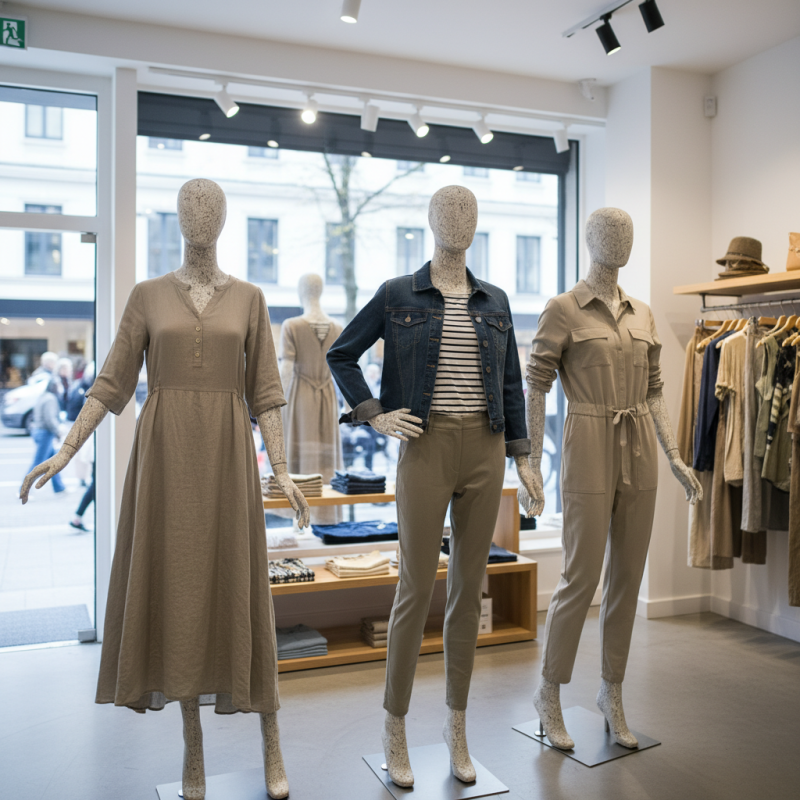
Mannequins play a crucial role in retail marketing, especially for small businesses. They serve as silent sales representatives, showcasing products effectively. When customers enter a store, mannequins create instant visual interest. A well-dressed mannequin can convey the latest trends and styles. This entices shoppers to explore further.
Small businesses often operate on tight budgets. Cost-effective mannequins are essential for maximizing marketing efforts. Investing in these displays can significantly enhance the shopping experience. They help to tell a story, drawing customers into a brand's world. However, it's important to choose wisely. Not all mannequins fit every theme or product line.
Creativity is key when using mannequins. They should reflect the brand's identity and the products on offer. Simple yet strategic placements can make a big difference. Mannequins can tell a story but may also risk misrepresenting the brand if not done thoughtfully. Balancing cost and quality is essential. Small businesses must ensure their mannequins look appealing without straining their budgets.
Why Small Businesses Need Cost-Effective Mannequins to Succeed?
| Dimension | Description | Impact on Sales | Cost-Effectiveness |
|---|---|---|---|
| Visual Appeal | Mannequins attract customer attention and enhance store aesthetics. | High; improved aesthetics can lead to increased foot traffic. | Affordable options available at various price points. |
| Product Promotion | Showcasing merchandise effectively to shoppers. | Moderate; effective display enhances product visibility. | One-time investment for long-term showcasing. |
| Brand Identity | Mannequins can be customized to reflect brand ethos. | High; builds a strong relationship with target market. | Versatile, suitable for various branding strategies. |
| Sales Conversion | Encourages purchases through visual merchandising. | High; can significantly boost conversion rates. | Cost-efficient in terms of potential sales increase. |
| Inventory Management | Helps in visually organizing products on the sales floor. | Moderate; enhances the shopping experience. | Low maintenance cost after purchase. |
FAQS
: Mannequins attract visual interest and showcase products effectively, enticing customers to explore more.
They should select mannequins that fit their brand theme and story. Not all styles work for every business.
Effective displays create emotional connections and encourage customers to linger, ultimately boosting sales.
Strategic placements make a significant difference in how customers perceive the products, enhancing the shopping experience.
Yes, a poorly chosen mannequin may confuse customers and detract from the brand message.
Regular assessments are crucial as consumer preferences and trends change over time.
Clutter can overwhelm customers, making them less likely to purchase products.
They should adapt displays to reflect current styles and trends while maintaining a cohesive look.
Creative displays that reflect brand identity can make the shopping experience more engaging.
To create a curated shopping experience that resonates with the audience's desires and encourages purchasing decisions.
Conclusion
In the competitive retail landscape, small businesses can significantly enhance their marketing strategies by utilizing cost-effective mannequins. These displays play a vital role in visual merchandising, helping to attract customers and create an inviting shopping experience. For budget-conscious entrepreneurs, it is crucial to understand how to choose cost-effective mannequins that align with their brand identity.
Exploring various mannequin styles and innovative maintenance strategies can lead to substantial cost savings while effectively showcasing products. The right mannequin not only enhances the visual appeal of merchandise but also contributes to improved sales performance. By strategically implementing mannequins, small businesses can leverage visual merchandising to maximize their impact in the market, ensuring they succeed in a challenging economic environment.
