Improve Retail Displays with Mannequins and Hanger Racks?

Time:2026-11-17 Author:Amelia
0%

Physical stores still matter. The U.S. Census Bureau reported that e-commerce accounted for 16.1% of total U.S. retail sales in the fourth quarter of 2024. That leaves most sales happening through other channels, including physical stores. In-store presentation remains worth attention, though no fixture can guarantee a sale. POPAI’s 2012 Shopper Engagement Study found that 76% of purchase decisions were made in-store. It is a useful historical benchmark, not a universal rule for every category or today’s shoppers.

How to improve retail display with mannequins and hanger racks begins with a practical question: can shoppers see, understand, and reach the product? A mannequin can show how a jacket sits at the shoulder and where its hem falls. A nearby hanger rack lets customers compare sizes, colors, and fabrics without searching across the store. Keep the featured outfit easy to find, leave clear walking space, and avoid crowding the rack with too many choices. These details sound simple. They are easy to overlook during a busy seasonal reset.

Treat the display as a test, not a promise. Note which sizes sell, watch where shoppers pause, and ask staff what customers struggle to find. Then adjust the spacing or product mix and observe again. A mannequin may attract attention but still confuse shoppers if the matching items are hidden. That part needs honest review. Retail results vary by location, merchandise, and execution, so use store-level sales and staff observations alongside industry reports.
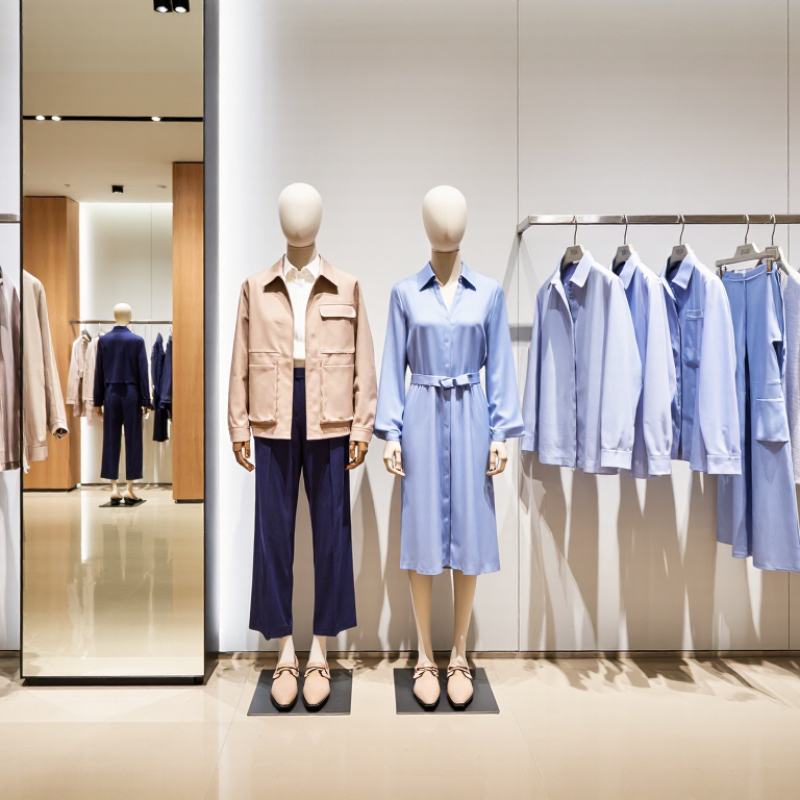
Improve Retail Displays with Mannequins and Hanger Racks?

Understanding the Roles of Mannequins and Hanger Racks in Retail Displays

Mannequins and hanger racks solve different display problems. A mannequin gives shoppers a quick, three-dimensional view of an outfit: how a jacket falls, where a hem lands, and which pieces work together. A hanger rack makes those pieces easy to browse, compare, and touch. Used together, they connect inspiration with practical choice. The mannequin attracts attention; the rack supports the next step.

Placement matters. Set a mannequin near a feature area, then keep matching garments within a few steps. Use clear spacing and face hangers in one direction, so shoppers can scan sizes without pulling out every item. PwC’s 2023 Global Consumer Insights Pulse Survey found that 43% of consumers would pay more for greater convenience. An organized rack can make browsing feel easier, though a crowded fixture quickly undoes that benefit. Mannequins can also look stiff or unrealistic; rotate outfits often and check that styling reflects the garments customers can actually buy.

Tips: Leave enough room to browse. Group related items by style or color, and keep the rack’s most relevant sizes easy to reach. Check the display from the entrance and from eye level. Small adjustments help.

Selecting Display Fixtures for Products, Space, and Brand Identity

Improve Retail Displays with Mannequins and Hanger Racks?

Selecting Display Fixtures for Products, Space, and Brand Identity

Mannequins and hanger racks should earn their floor space. A mannequin can show how a jacket hangs at the shoulder, while a rack lets shoppers compare sizes and colors quickly. Match each fixture to the product: use open rails for easy browsing, and mannequins for complete looks or layered outfits. Keep walkways clear, especially near fitting rooms and busy entrances. Small details matter. A crowded rack can make even well-made garments feel hard to shop.

POPAI’s 2014 Shopper Engagement Study reported that 82% of purchase decisions were made in-store across its measured categories. The finding is useful, but dated and not universal. ICSC’s 2018 Halo Effect study reported that opening a physical store was associated with a 37% lift in web traffic and a 27% increase in online sales. Fixtures alone do not create those results; they support a broader store experience. Match their finish, spacing, and scale to the brand’s visual identity, then test how customers move around them. I’d reconsider any display that looks striking in a plan but blocks a real aisle. In practice, the first layout is rarely perfect.

Arranging Mannequins and Hanger Racks for Clear Customer Flow

Place mannequins where shoppers can see complete outfits without blocking the main route. Keep hanger racks parallel to the direction of travel, with enough space for two people to browse and pass. The exact spacing depends on the store, so test it during busy hours. Keep it legible.

POPAI’s 2012 Shopper Engagement Study reported that 76% of U.S. purchase decisions were made in-store. That finding is older, but it underlines why clear product presentation matters. Let mannequins show a simple, complete look near the relevant racks; customers can then move naturally from inspiration to browsing. Avoid placing a display at a narrow turn or directly in front of a fitting-room entrance. Leave breathing room.

Deloitte’s 2024 Retail Industry Outlook also emphasizes the continuing role of physical stores in customer experience. In practice, that means watching where people pause, turn back, or squeeze past a display—not just how polished the floor looks. I still get this wrong: a rack that seems tidy from the entrance can hide smaller items from customers already inside. After rearranging, walk the route at shopper speed, check sightlines from the doorway, and adjust any rack that creates a bottleneck.

Coordinating Garments, Accessories, and Visual Themes

A mannequin and a hanger rack work best when they tell the same visual story. Dress the mannequin in a complete outfit, then place related garments within easy reach. A cream knit top, dark trousers, and a nearby rack of similar textures create a clear connection. Keep the rack edited; too many choices can weaken the display. Leave a little breathing room.

Accessories add detail, but each one should support the outfit. A belt at the waist or a folded scarf on a nearby shelf can repeat a color without competing for attention. Match the display’s materials and tones to its theme, such as warm wood and muted fabrics for a relaxed seasonal look. Check sightlines from the entrance and from the aisle. Small adjustments matter. Still, some combinations may look better in person than they did during planning; review them under the store’s actual lighting.

Tips: Keep accessories at eye level, group hangers by color or garment type, and leave space between the mannequin and rack. Take a quick photo from the customer’s viewpoint. If the outfit feels crowded, remove one item and reassess.

Improve Retail Displays with Mannequins and Hanger Racks

Example visual-merchandising audit scores for coordinating garments, accessories, and display themes.

These illustrative checklist scores are not industry benchmarks. Use a consistent 0–100 audit to check that mannequin outfits, nearby accessories, and hanger-rack assortments support the same visual theme; prioritize the lowest-scoring area for improvement.

Maintaining Displays and Measuring Their Retail Impact

Mannequins and hanger racks work best when they stay clean, stable, and easy to shop. Check mannequins each morning for dust, loose joints, and tilted poses. Make sure racks do not wobble or block walkways. Keep hangers facing one direction, with enough space for shoppers to browse without pulling several items at once. Small details matter. A crooked sleeve can make a display feel neglected.

To understand whether a display is helping, record a few simple measures before and after changes. Track weekly sales of featured items, units tried on, and customer questions about sizes or colors. Compare similar days where possible, since weather, promotions, and foot traffic can distort results. A short observation log can also reveal whether shoppers pause, touch garments, or move on. These signals are useful, but they do not prove that the display alone caused a sales change. Results can be messy.

Tips: Photograph the display from the same spot each week. Note the date, featured products, and any layout changes. Replace damaged hangers promptly, and review measurements after enough days to spot a pattern. If traffic is low, wait before drawing conclusions.

FAQS

How should a mannequin and hanger rack work together?

Dress the mannequin in a complete outfit, then place related garments nearby. A cream knit top beside similar textures creates a clear connection.

How many garments should I put on the rack?

Keep the selection edited and leave breathing room. Too many choices can weaken the display.

Which accessories can support an outfit?

Add one or two details, such as a belt or folded scarf. Repeat a color without competing for attention. Less can work.

How can I check whether the display looks balanced?

View it from the entrance and aisle. Take a quick photo from a customer’s viewpoint, then remove an item if the outfit feels crowded.

What should I check each morning?

Look for dust, loose mannequin joints, tilted poses, and wobbly racks. Check that walkways remain clear.

How can I keep garments easy to browse?

Face hangers in one direction and leave enough space between them. Shoppers should not need to pull several items at once.

What measures can help assess a display?

Record weekly sales of featured items, try-ons, and customer questions about sizes or colors. Note dates and layout changes.

Do better sales prove the display caused the change?

No. Weather, promotions, and foot traffic can affect results. Compare similar days and wait for a pattern; the evidence may still be messy.

Conclusion

How to improve retail display with mannequins and hanger racks begins with understanding the role each fixture plays. Mannequins bring complete outfits to life and help shoppers picture how garments look when worn, while hanger racks keep products accessible and easy to browse. Choose fixtures that suit the merchandise, available floor space, and the store’s visual identity, balancing practical capacity with a consistent presentation.

Arrange displays to create clear pathways and prevent crowded areas, using mannequins to draw attention to featured looks and racks to guide customers toward related items. Coordinate clothing, accessories, colors, and themes so each display feels cohesive and encourages shoppers to explore. Regularly straighten garments, refresh featured outfits, and check that fixtures remain clean and stable. By observing customer movement, product engagement, and sales patterns, retailers can assess what works and make thoughtful adjustments over time.

Amelia

Amelia

Amelia is a seasoned marketing professional with a wealth of expertise in our company’s core offerings. With an unwavering passion for driving growth and innovation, she plays a pivotal role in shaping our marketing strategies and enhancing brand visibility. A key aspect of her responsibilities......