In the ever-evolving world of retail, effectively showcasing clothing styles with mannequins is crucial. Expert visual merchandiser Sarah Thompson states, "Mannequins are not just display tools; they are storytellers of fashion." This insight reflects the importance of understanding how to match mannequins with different clothing styles.
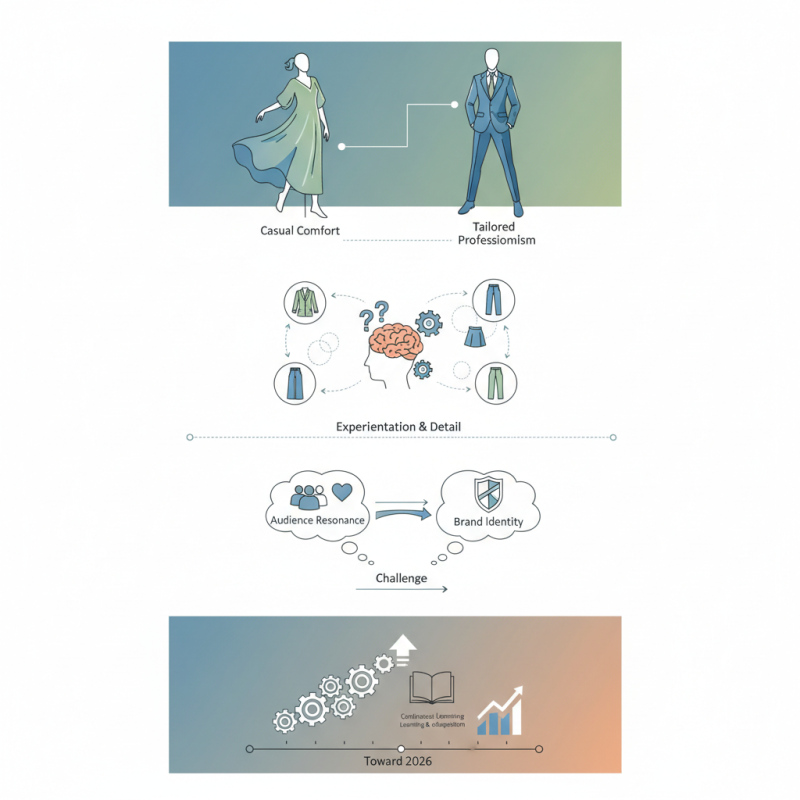
As we look toward 2026, the art of pairing mannequins with various fashion trends becomes increasingly refined. Retailers must consider the aesthetics and emotional connections consumers seek. Choosing the right mannequin shape and posture can enhance the story behind each outfit. A casual dress paired with a relaxed mannequin can evoke comfort, while a tailored suit on a poised figure conveys professionalism.
However, not every pairing is straightforward. Retailers may struggle with matching the right mannequin to their clothing. It requires experimentation and an eye for detail. Testing different combinations can reveal surprising results. The challenge lies in consistently making choices that resonate with the audience while maintaining brand identity. This journey highlights the need for continuous learning and adaptation in the retail landscape.
Understanding the Role of Mannequins in Fashion Display
Mannequins play a pivotal role in fashion display. They serve as the silent salespeople of retail spaces, effectively showcasing clothing styles. In 2022, a report from the Fashion Institute noted that 63% of consumers are influenced by visual merchandising when making purchasing decisions. This highlights the need for retailers to curate their displays carefully.
The dynamics of mannequin placement can significantly impact consumer engagement. Properly styled mannequins can direct attention and create emotional connections with potential buyers. A study by the Visual Merchandising Association found that well-styled mannequins can increase foot traffic by up to 20%. Fashion retailers should experiment with various poses and placements to discover what resonates with their audience.
However, relying solely on mannequins can sometimes backfire. The fashion landscape is constantly evolving, and outdated poses may seem uninviting. Retailers must adapt to current trends and consumer preferences. Static displays can miss the mark. Incorporating interactive technology or sustainability elements could enhance the mannequin’s appeal and relevance. Staying attuned to market shifts is essential for maintaining consumer interest in a rapidly changing environment.
Exploring Different Clothing Styles for Effective Pairing
Pairing mannequins with clothing styles is an art. Each style has its personality, and the right mannequin can enhance that. For instance, casual outfits look great on a relaxed, laid-back mannequin. It’s important to select mannequins that reflect the vibe of the clothing. A chic, elegant dress deserves a mannequin with a poised stance.
Sporty attire, on the other hand, can benefit from mannequins in active poses. Think dynamic and engaging. This creates a visual narrative. Consider using props like skateboards or yoga mats to amplify the sporty theme. However, not every pairing works effortlessly. Sometimes, experimenting is needed. A classic outfit might look drab on a too-modern mannequin. Reflection on these missteps helps refine future choices.
Vintage styles can clash with contemporary mannequins. A mannequin with retro features can breathe life into an era-inspired outfit. Experimentation often sparks creativity. Some combinations may initially appear odd but can tell a profound story. The key lies in exploration and adaptability. The final look should always evoke a feeling, drawing customers into the world of fashion.
Techniques for Selecting Mannequin Types Based on Wardrobe Themes
Selecting the right mannequin type to complement various wardrobe themes requires careful consideration. Each clothing style has its own unique vibe. For a casual look, consider using soft fabric mannequins that radiate comfort. These are ideal for displaying relaxed dresses, t-shirts, and jeans. They create a welcoming atmosphere, inviting customers to feel at home in the clothing.
For more formal or high-fashion attire, opt for sleek, modern mannequins. These can be made from materials like fiberglass, which offers a polished and sophisticated appearance. They work best with tailored suits and elegant evening wear. However, it's crucial to ensure the mannequin's pose aligns with the clothing's essence. A rigid pose might not effectively convey the fluidity of a flowing gown.
Not all mannequins fit every theme flawlessly. Sometimes, a mismatch can exist between the mannequin type and the outfit displayed. Observe how customers respond to different styles. Are they drawn to certain displays over others? Use this feedback to refine choices. The aim isn't just to showcase clothing; it's to create a visual narrative that resonates with shoppers.
Color Coordination and Textural Harmony in Mannequin Styling
In 2026, creating harmony between mannequins and clothing styles requires keen attention to color and texture. Selecting a color palette that resonates with your brand message is crucial. For instance, using pastel colors can evoke softness, while bold hues convey energy. Identify key colors that suit the seasons. Some shades may clash, and it’s important to test combinations before committing. A well-coordinated mannequin enhances the overall appeal of an outfit.
Texture plays a vital role in mannequin presentation. Mixing materials can create depth and interest. Pair sleek fabrics with textured ones like knits or wools. This contrast can captivate attention. However, be cautious; excessive mixing can lead to confusion. Aim for a balanced look that encourages customers to envision themselves in the clothing.
Lastly, always reflect on your display's impact. Does the mannequin resonate with the intended audience? Gathering feedback is essential. Some styles may attract attention initially, but might not translate into sales. Monitor how different pairings perform over time, adjusting your approach for better alignment with customer preferences. This continuous improvement can guide future styling efforts.
How to Pair Mannequins with Various Clothing Styles in 2026? - Color Coordination and Textural Harmony in Mannequin Styling
| Clothing Style |
Color Palette |
Textural Elements |
Recommended Mannequin Type |
| Streetwear |
Bold Colors, Graffiti Patterns |
Denim, Cotton, Leather |
Dynamic Pose, Urban Finish |
| Formal Wear |
Muted Tones, Jewel Colors |
Silk, Wool, Satin |
Elegant Pose, Classic Finish |
| Casual Wear |
Earthy Tones, Pastels |
Linen, Jersey, Chambray |
Relaxed Pose, Friendly Finish |
| Active Wear |
Vibrant Colors, Neon Accents |
Spandex, Mesh, Performance Fabrics |
Active Pose, Sporty Finish |
| Vintage |
Retro Colors, Floral Prints |
Velvet, Chiffon, Crochet |
Classic Pose, Nostalgic Finish |
Adapting Mannequin Displays for Seasonal Trends in 2026
Adapting mannequin displays for seasonal trends in 2026 requires a keen understanding of consumer behavior. Recent industry reports indicate that 72% of consumers respond positively to seasonal changes in visual merchandising. This means that if retailers align their mannequin styles with seasonal themes, they can significantly elevate customer engagement. For instance, integrating vibrant colors and lightweight fabrics for spring displays can attract attention and reflect the joyful essence of the season.
To maximize the impact of these seasonal trends, retailers should consider regional variations. A study revealed that 64% of shoppers prefer seeing clothing on mannequins styled in a manner representative of their local culture. This necessitates a careful selection of mannequin poses and arrangements. In colder climates, heavy layering and cozy textures resonate well, while warmer areas can embrace lighter fabrics and playful styles. Retailers must continuously experiment and adjust their displays, though it can be challenging to find the right balance.
Even with data-driven strategies, there’s room for improvement. Many retailers struggle to create cohesive displays that reflect both seasonal trends and their brand identity. This can lead to mismatched visual themes and confused customers. By iterating on previous displays and soliciting feedback, they can evolve their mannequin strategies. It's crucial for businesses to stay attuned to customer preferences, ensuring that displays are appealing, relevant, and engaging.
FAQS
: The mannequin's pose should match the clothing style. Active poses work well for sporty outfits.
Yes, color clashes can occur. Test combinations before finalizing to ensure harmony.
Mixing textures adds depth. Pair sleek with textured fabrics to capture attention.
Feedback helps refine future displays. Some styles may attract initially but not convert to sales.
Aligning displays with seasonal themes boosts customer engagement significantly.
Regional variations matter. Styles should represent local culture for better appeal.
Absolutely! Experimentation can spark creativity but may not always succeed. Reflection is key.
Continuous adjustment to displays based on previous results can help achieve better alignment.
Finding the right balance between trends and brand identity can be difficult.
Staying in tune with consumer preferences enhances display relevance and engagement.
Conclusion
In the article titled "How to Pair Mannequins with Various Clothing Styles in 2026," we delve into the essential role of mannequins in fashion displays. Understanding how to match mannequins with different clothing styles is crucial for creating visually appealing presentations that attract customers. The discussion includes an exploration of various clothing styles that can be effectively paired with suitable mannequins, emphasizing the importance of selecting mannequin types based on wardrobe themes.
Additionally, the article covers techniques for achieving color coordination and textural harmony in mannequin styling, ensuring that the overall display resonates with current trends. With a focus on adapting mannequin displays for seasonal changes in 2026, this guide provides practical insights for enhancing retail aesthetics and driving consumer engagement through thoughtful and strategic mannequin pairings.
 Tianran Trade
