How to Optimize Hanger Racks for Retail Space Efficiency?

Time:2026-08-13 Author:Ethan
0%

In the competitive retail landscape, optimizing space is essential. Retailers continuously seek effective methods. Understanding "How to arrange hanger racks to save retail space" can make a significant impact. Retail expert John Reed once stated, "Efficient hanger racks are the backbone of retail layout." His insights reflect a core principle of retail design.

The arrangement of hanger racks directly influences customer flow and product visibility. For example, using vertical space can save ground area. This approach allows for more products to be displayed effectively. It encourages impulse purchases and enhances the shopping experience. Consider the layout of hanger racks akin to a well-orchestrated symphony. Every piece has its place, balancing between accessibility and aesthetics.

However, not all arrangements yield positive results. Retailers often misjudge the spacing or style of racks. This can lead to clutter, making navigation difficult. Customers may feel overwhelmed and leave without purchasing. Reflecting on these challenges is crucial for improving retail efficiency. As retailers strive for optimization, innovative strategies can transform the shopping environment.
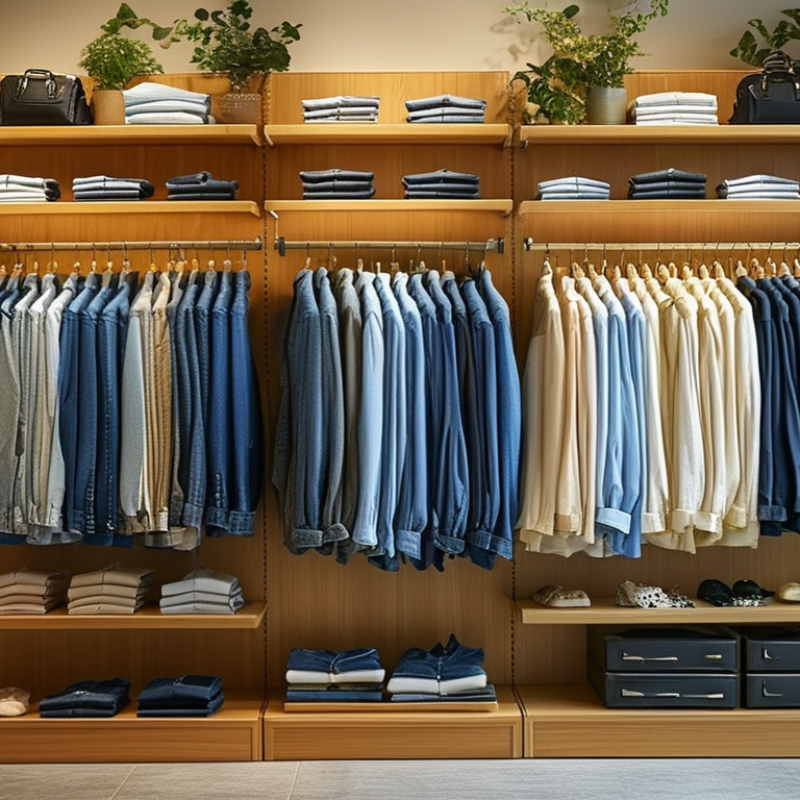
How to Optimize Hanger Racks for Retail Space Efficiency?

Understanding the Importance of Space Efficiency in Retail

Space efficiency in retail is crucial for maximizing sales and enhancing customer experience. Every inch of floor space matters. When products are displayed properly, customers find it easier to browse and make purchasing decisions. This involves strategic placement of hanger racks, ensuring accessibility and visibility of items. They should not crowd the floor but rather complement the store's layout.

Effective use of hanger racks can create an organized and inviting atmosphere. For example, racks positioned near high-traffic areas can capture attention. Conversely, cluttered or poorly placed racks may frustrate shoppers. Regularly evaluating the arrangement of racks helps identify ineffective configurations. Adjusting the layout based on customer flow can lead to improved sales.

Retailers should also consider the variety of products when optimizing space. Different hanger types can accommodate various items, such as heavy coats or delicate blouses. Using appropriate hangers enhances product presentation and prevents damage. It’s a delicate balance that requires ongoing adjustment and reflection on customer feedback. Striving for a more efficient layout is an ongoing process that can lead to greater success.

How to Optimize Hanger Racks for Retail Space Efficiency?

Hanger Rack Type Optimal Space Usage (%) Product Type Average Height (cm) Cost Efficiency ($/sq ft)
Wall-mounted Rack 85 Clothing 180 2.50
Freestanding Rack 78 Accessories 150 3.00
Gridwall Rack 90 Shoes 160 2.20
Adjustable Rack 82 Seasonal Items 170 2.75
Display Rack 76 Merchandise 140 3.50

Types of Hanger Racks Suitable for Retail Environments

Hanger racks play a crucial role in retail environments. They help to showcase products effectively while maximizing space. Various types of hanger racks can enhance store organization and customer experience.

Wall-mounted racks are excellent for smaller spaces. They utilize vertical space efficiently. This type keeps the floor clear and encourages browsing.

Free-standing racks provide greater flexibility. Retailers can move them easily to create new displays. Adjustable racks offer custom heights. This adaptiveness is vital for showcasing different clothing categories.

Despite these advantages, it’s essential to assess the chosen racks regularly. Overcrowding on racks can deter customers. Too few hangers can lead to a sparse look. Finding the right balance is key. Understanding customer flow helps in making these decisions. Retailers must remain adaptable to changing trends and shopper needs. Regularly evaluating arrangements promotes ongoing improvement.

Strategic Placement and Arrangement of Hanger Racks

In retail spaces, the strategic placement of hanger racks can significantly enhance shopping experiences. Customers are more likely to engage with products if they are presented well. An effective arrangement starts with understanding traffic flow. Position racks in high-traffic areas to capture customer attention.

Consider grouping similar items on the same rack. This creates a cohesive look and makes it easier for customers to browse. Use varying heights for racks to create visual interest. Lower racks can feature more inviting items, while higher ones can showcase seasonal or luxury products.

However, not all arrangements will work perfectly. It’s essential to regularly evaluate customer interaction with different configurations. Data on sales trends can offer insights into what works and what needs improvement. Reflect on feedback from staff as they can provide real-world observations. Adjusting layouts based on these reflections can lead to better results over time.

Incorporating Visual Merchandising Techniques with Hanger Racks

Visual merchandising can transform hanger racks into powerful tools for enhancing retail space efficiency. Incorporating color, texture, and strategic placement elevates the shopping experience. For example, using cohesive color palettes can draw the eye. This guides customers through the store, encouraging exploration. Textured garments create tactile experiences, making items more appealing.

Lighting also plays a crucial role. Proper illumination highlights featured items on the racks. Spotlights can make specific products pop, increasing their attractiveness. Experimentation with layout can reveal insights. A poorly organized rack can confuse customers. Customers may overlook items that are hard to see. Ensuring visibility and accessibility is essential.

Utilizing focal points is another effective strategy. Statement pieces can act as anchors for the rest of the merchandise. You might find that balancing bold items with subtle ones creates visual harmony. However, overcrowding can be counterproductive. It’s essential to allow breathing space around each item. Regularly reviewing and adjusting the display keeps the merchandising fresh and engaging.

Evaluating and Adjusting Hanger Rack Usage Regularly for Maximum Efficiency

Regularly evaluating and adjusting hanger rack usage is crucial for retail space efficiency. Over time, customer preferences change. What sold well last season might not resonate today. Analyzing sales data helps identify what styles or colors are underperforming. This insight allows retailers to rearrange or eliminate certain items, creating a more engaging shopping experience.

Consider the layout of your hanger racks. If they’re overcrowded, shoppers may feel overwhelmed. Adjusting spacing can enhance visibility. Using a mix of different types of racks can also diversify product display. Consider seasonal shifts—what works for summer may not suit winter sales. Implementing a flexible approach to product presentation keeps the space fresh and invites customers to explore.

However, don’t rush to change everything at once. Data-driven decisions may lead to missed trends. Listening to customer feedback is equally important. Sometimes, a simple customer comment can inspire a new arrangement. Being responsive is key. Revisiting these adjustments monthly ensures that the racks continually meet customer needs. Balancing change with stability fosters better customer engagement and retention.

FAQS

: What are the benefits of using wall-mounted racks in retail?

: Wall-mounted racks save floor space and utilize vertical areas efficiently. They encourage customer browsing.

How do free-standing racks benefit retailers?

Free-standing racks offer flexibility. Retailers can easily move them to create new product displays.

Why is it important to regularly assess hanger racks?

Regular assessments prevent overcrowding or sparsity. Finding the right balance enhances customer experience.

How can sales data help in managing hanger racks?

Analyzing sales data reveals underperforming items. This insight guides rearrangements or eliminations for better engagement.

What should retailers consider when adjusting rack layouts?

Retailers should focus on spacing and visibility. Overcrowded racks may overwhelm shoppers and hinder sales.

How does seasonal change affect hanger rack arrangements?

Different seasons require different displays. What appeals in summer may not suit winter sales.

Why is listening to customer feedback important?

Customer comments can inspire new arrangements. Being responsive to feedback improves engagement.

What is a key strategy for ongoing rack management?

Revisiting adjustments monthly ensures rack effectiveness. It helps maintain customer needs alignment.

How can a mix of rack types enhance displays?

Using various rack types diversifies product showcases. This approach keeps displays fresh and engaging.

What happens if changes are made too quickly?

Rushing to implement changes can overlook trends. Careful, data-driven decisions are more effective.

Conclusion

Efficient use of retail space is crucial for enhancing sales and improving customer experience. Understanding how to arrange hanger racks to save retail space involves recognizing the types of racks that are best suited for different retail environments and strategically placing them to maximize visibility and accessibility. By incorporating visual merchandising techniques, retailers can create appealing displays that attract customers and encourage purchases.

Regular evaluation and adjustment of hanger rack usage ensure that the layout remains optimized over time, accommodating changes in inventory and consumer preferences. Taking these steps not only boosts space efficiency but also enhances the overall aesthetic of the retail environment, leading to a more satisfactory shopping experience for customers.

Ethan

Ethan

Ethan is a seasoned marketing professional with a deep expertise in our company's innovative product line. With a passion for sharing knowledge and insights, he takes the lead in regularly updating our corporate blog, where he explores industry trends, product features, and effective marketing......