Optimizing hanger rack arrangement is crucial for retail spaces. Proper organization can greatly influence customer experience and sales. Retailers often struggle with the layout of their hanger racks. Conversations frequently arise about how to arrange hanger racks to save retail space effectively.
Efficient hanger rack placement enhances visibility and accessibility. Customers appreciate a well-organized display. It invites them to explore products. However, retailers must consider their unique store size and layout. Not every space allows for the same arrangement. This diversity can lead to experimentation. Some arrangements may look aesthetically pleasing but don’t maximize space.
A balance between functionality and presentation is necessary. It often requires trial and error. Some racks might overcrowd the space. Others might leave too many gaps. Finding the right arrangement can be a challenging task. Asking for customer feedback helps refine the display. Ultimately, effective hanger rack organization can transform a retail space.
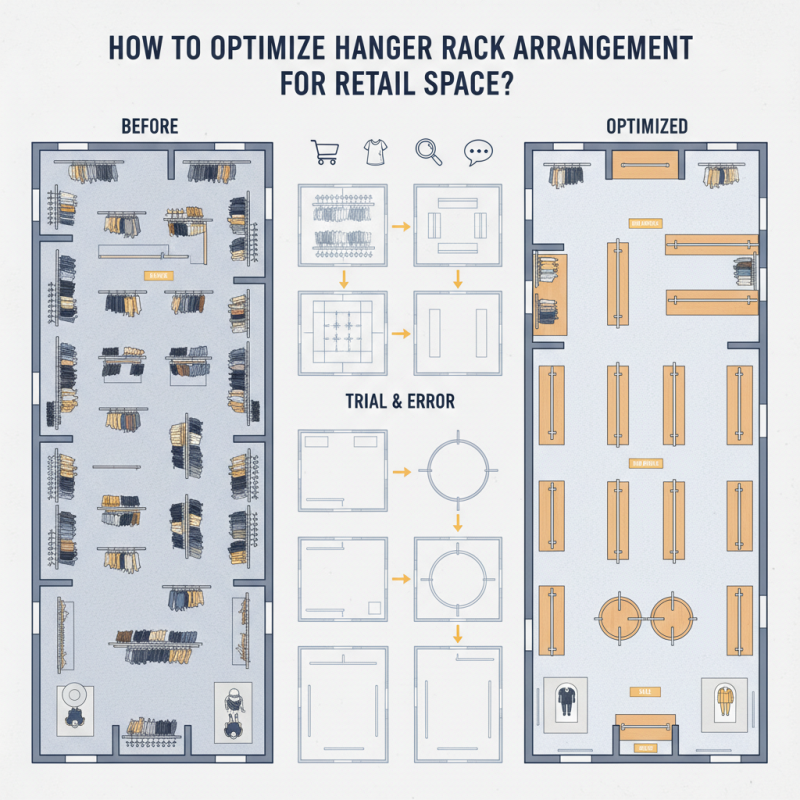
The arrangement of hanger racks can significantly impact retail performance. A well-organized display draws attention and enhances customer experience. When racks are cluttered, shoppers feel overwhelmed. This can lead to frustration and even abandonment of purchases. An efficient layout, on the other hand, encourages browsing and increases sales.
Understanding traffic flow is crucial. Placing appealing items at eye level captures interest immediately. Furthermore, grouping similar items together helps customers find what they need quickly. Sometimes, less is more. A sparse display can sometimes create a sense of luxury. However, balancing minimalism with enough variety can be tricky. Regular assessments of rack arrangements help keep the space fresh and engaging.
Creating a cohesive visual story can elevate the shopping experience. Color coordination and theme-based arrangements guide customers through the store. Yet, maintaining this requires commitment and continuous effort. Staff training is essential to ensure consistency in display and overall customer service. Retailers must remain adaptable to emerging trends. Regular feedback can provide insights into what works and what doesn't.
Assessing your retail layout is crucial for optimizing customer flow. Start by measuring your space. Note the entrances, windows, and fixtures. Each factor affects how customers navigate your store. Conduct walk-throughs during busy and quiet times. Observe how shoppers move. Are they drawn to specific areas? Do they linger or rush through?
Consider your product placements. High-demand items should be easily accessible. They can anchor your layout and direct flow. Use hangers wisely to create focal points. A well-arranged rack can draw in foot traffic. However, don't overcrowd your displays. Too many items can overwhelm customers.
Reflect on your findings regularly. Customer behavior can change. Seasonal shifts or new trends influence preferences. Adjust your layout accordingly. Engage with customers and seek feedback. Their insights can reveal unseen flow issues. Ultimately, an evolving layout keeps the customer experience at the forefront.
When choosing the right hanger rack types for your merchandise, consider the material and design. Metal racks are sturdy and ideal for heavier items. Wooden racks add warmth, working well for boutiques and high-end goods. Plastic racks are lightweight and flexible, perfect for seasonal items. According to a 2022 National Retail Federation report, visual merchandising can boost sales by up to 25%. Therefore, selecting the right rack improves visibility and encourages purchases.
Tips: Ensure racks are adjustable. This allows for customization based on seasonal inventory. A rack that isn’t versatile might become obsolete quickly. Consider using multi-tiered racks to maximize vertical space. This can make even small retail areas feel expansive. A well-organized layout can enhance customer experience significantly.
Rethink your layout regularly. What works today might not tomorrow. Analyze customer flow and adapt your arrangement based on shopping behavior. Data from a 2023 Retail Statistics report indicates that 60% of shoppers appreciate clear organization. A cluttered space can drive customers away. Regularly reassess your hanger rack types to maintain an appealing and efficient retail environment.
In retail, effective product placement on hanger racks can significantly boost sales. Studies show that consumers make 70% of their purchasing decisions in-store. Therefore, how products are arranged on hanger racks matters greatly.
Creating a visually appealing layout is essential. Use a color wheel to group items that complement each other. This catch-all strategy can attract attention. Hooks should be clean and easy to access. Avoid overcrowding racks, as this can overwhelm customers. Research indicates that cluttered displays reduce sales by up to 30%.
**Tips:** Rotate items regularly. Freshness keeps customers engaged. Also, consider hanging items at varying heights. A dynamic arrangement can make products pop. Analyze the foot traffic patterns in your space. Place high-demand items at eye level to drive impulse purchases.
While optimizing for aesthetics, address potential gaps. Sometimes, a perfect design may not resonate with customers. Regular feedback can help identify shortcomings in your arrangement. Keeping an open dialogue with staff about what works—or doesn’t—will allow for continuous improvement.
Creating a cohesive display on hanger racks is essential for maximizing visual appeal in retail spaces. When customers walk in, they should immediately feel drawn to the arrangement. Use a color palette that complements your brand, as this can enhance the overall look. Group items by color or style to create a harmonious feel. For instance, hanging beige jackets next to matching accessories creates a visually striking setting.
Tips for better arrangement include utilizing different hanger styles. Wooden hangers add a touch of sophistication, while vibrant plastic hangers can inject energy. Mixing hanger types can create visual interest but be careful; too much variety might confuse customers.
Ensure that the garments are hung at eye level. This small change can significantly affect how products are perceived and can drive sales.
Think about incorporating seasonal themes into your hanger rack displays. This keeps the arrangement fresh and relevant. Regularly rotate stock to prevent monotony. It's important to reassess whether each arrangement works. Sometimes, what looks good in theory may not resonate with customers on the floor. Be open to experimenting until you find the perfect presentation.
: A well-organized display enhances customer experience and can significantly boost sales.
Cluttered racks can overwhelm shoppers, leading to frustration and potential purchase abandonment.
Placing appealing items at eye level captures immediate interest and encourages browsing.
Use color coordination and thematic arrangements to guide customers through the shopping experience.
Metal racks provide sturdiness and support for heavier merchandise effectively.
Regularly reassess layouts based on customer flow and shopping behaviors, adapting as trends change.
Overcrowding racks can negatively impact sales; clearer organization is more appealing.
Utilizing multi-tiered racks can optimize vertical space and enhance product visibility.
Consistency in display and customer service relies on well-trained staff, ensuring a smooth shopping experience.
Maintain an open dialogue with staff and regularly analyze customer responses to enhance arrangements.
Optimizing the hanger rack arrangement is crucial for enhancing retail space efficiency and improving customer experience. By understanding the importance of effective hanger rack placement, retailers can evaluate their store layout and customer flow to identify the best strategies for maximizing both space and sales. Choosing the right types of hanger racks tailored to the merchandise is essential, as it allows for better organization and visibility.
Incorporating effective product placement strategies on these racks can lead to better customer engagement. For instance, grouping related items together and maintaining a cohesive display elevates the visual appeal and makes navigation easier for shoppers. Ultimately, knowing how to arrange hanger racks to save retail space ensures that merchandise is attractively presented while allowing for optimal use of the retail environment.

Tianran Trade