How to Match Mannequins with Different Clothing Styles for Success?

Time:2026-07-24 Author:Amelia
0%

In the fashion retail world, the visual appeal of displays can significantly influence customer behavior. To create effective merchandise displays, understanding "How to match mannequins with different clothing styles" is essential. Industry expert, Sarah Thompson, noted, "The right mannequin can elevate a clothing line and attract more shoppers." This insight emphasizes the need for a strategic approach.

Matching mannequins with clothing styles involves more than just aesthetics. It requires understanding the target audience and current trends. For instance, a chic streetwear outfit deserves a relaxed, urban mannequin. Conversely, an elegant evening gown looks best on a poised, refined figure. Pay attention to how each style communicates to potential buyers.

Often, retailers overlook how vital these details are. Mannequins should not only display clothes but also tell a story that resonates with customers. Ensuring a harmonious alignment between the clothing and the mannequin fosters an engaging shopping experience. A mismatch may confuse or deter buyers. Therefore, regularly assessing and adjusting these displays can lead to improvements.
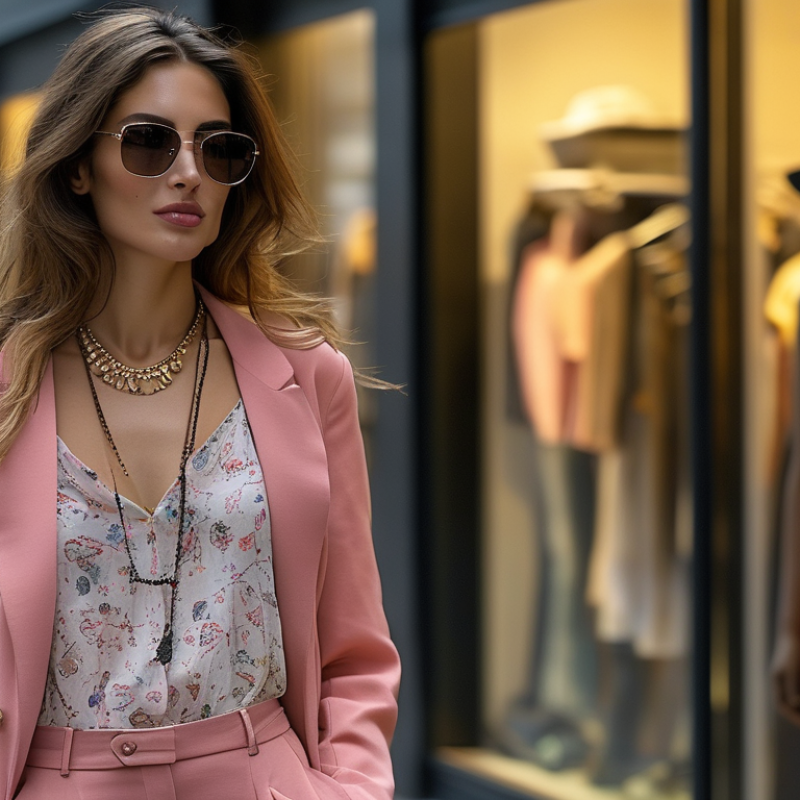
How to Match Mannequins with Different Clothing Styles for Success?

Understanding Different Clothing Styles for Mannequin Display

Understanding different clothing styles for mannequin display is essential for retailers aiming to captivate customers. Each clothing style, from casual to elegant, serves a unique purpose in fashion presentation. According to a report by the National Retail Federation, more than 60% of customers make purchasing decisions based on visual displays. This highlights the importance of effectively matching mannequins with clothing styles that resonate with target audiences.

Consider contemporary styles. They often embrace bold colors and unique patterns. Displaying these on mannequins that evoke a relaxed, modern vibe will attract a younger demographic. In contrast, classic styles should be paired with mannequins that convey sophistication. This helps to enhance the perceived value of the garments.

Tips: Ensure that the mannequin poses resonate with the clothing style. An awkward pose can confuse customers. Pay close attention to details like accessories and layering. They can elevate a simple outfit.

Every clothing style should reflect a cohesive theme. Misalignment can frustrate customers. Retailers should regularly reevaluate their mannequin displays. Trends shift quickly, and what appealed last season may not work this time. Staying adaptable is key to success.

Clothing Style Suitability for Mannequin Displays

Choosing the Right Type of Mannequin for Your Clothing Line

Choosing the right type of mannequin for your clothing line can significantly impact how your products are perceived. Mannequins serve as the silent ambassadors of your brand. They need to reflect the style and spirit of your collection. A sleek, modern mannequin might be ideal for high-fashion pieces, while a vintage-style mannequin can enhance the charm of retro-inspired clothing.

Consider the material of the mannequin. Fiberglass mannequins are durable and easy to dress, but they can feel cold. Alternatively, fabric-covered mannequins offer warmth and texture, making them more relatable. The size and pose of the mannequin also matter. A tall, elongated figure can showcase clothing beautifully, but it might not be the best fit for all styles. Reflecting on what fits your brand is crucial.

It's essential to acknowledge the mismatch that can happen. A mannequin that doesn’t align with your clothing style can send mixed signals. If your clothing line targets a younger demographic, a mannequin that appears outdated may deter potential buyers. Experimenting with different styles is necessary. Sometimes, the perfect fit comes from unexpected combinations. Always be open to re-evaluating your choices.

Techniques for Coordinating Colors and Patterns with Mannequins

Creating visually appealing displays is crucial for retail success. Coordinating colors and patterns with mannequins can elevate a store's aesthetic. According to a report by the Visual Merchandising Association, effective color coordination can increase sales by up to 30%. Mannequins serve as silent salespeople, showcasing potential outfits in an engaging manner.

When selecting colors, consider the emotional impact. Warm tones can evoke excitement, while cool tones may promote calmness. Pair bold patterns with solid colors to avoid overwhelming customers. A recent study indicated that 60% of shoppers respond positively to well-coordinated displays. However, finding the right balance can be a challenge. It's essential to experiment and welcome feedback.

Patterns, too, need careful attention. Mixing stripes and florals can either create beauty or chaos. Retail experts suggest starting with a dominant piece and building around it. Regularly reassessing your displays based on seasonal trends is vital. Retailers often overlook the significance of minor adjustments. A subtle tweak can attract different demographics, making your displays more inclusive and appealing.

Positioning Mannequins to Enhance Fashion Visibility in Retail

The positioning of mannequins plays a crucial role in enhancing fashion visibility within retail environments. Studies show that effective mannequin placement can boost sales by up to 30%. This indicates that shoppers are significantly influenced by how clothing is displayed. Proper positioning not only attracts attention but also encourages potential buyers to engage with the merchandise.

To successfully match mannequins with diverse clothing styles, consider the flow of foot traffic. Place mannequins in high-visibility areas to draw customers in. Ensure they reflect the latest trends, yet remain relatable to your target demographic. According to the National Retail Federation, 60% of consumers prefer shopping in stores that present items in visually appealing ways. This reinforces the need for an appealing aesthetic in mannequin displays.

Tip: Experiment with different poses. Dynamic postures can create a narrative around the clothing. Displaying outfits that fit various occasions can resonate with a wider audience. Remember, a mannequin’s outfit should tell a story that aligns with customer aspirations. Reflect on the emotional responses evoked by your displays. This can lead to improved customer interaction and satisfaction, ultimately enhancing sales outcomes.

Creative Accessories to Complement Clothing Styles on Mannequins

When styling mannequins, the right accessories can elevate clothing displays significantly. According to a study by the Visual Merchandising Association, displays with creative accessories boost customer interest by 20%. Accessories add character and can create cohesive narratives for different clothing styles. For instance, pairing a casual dress with layered necklaces and oversized sunglasses gives a relaxed yet chic vibe.

Consider the psychology of color and texture when selecting accessories. Warm tones in bags or shoes can create a sense of excitement, attracting more attention. According to research from the Fashion Institute of Technology, nearly 70% of consumer purchasing decisions are swayed by visual appeal. A simple hat can transform a classic outfit. This approach encourages customers to envision themselves wearing the entire look.

However, it is crucial to avoid clutter. An overcrowded mannequin can confuse customers. Sometimes less is more. Striking a balance between simplicity and creativity is essential. When in doubt, leave space for focus. Relying on bold, fewer pieces often leads to more impressive displays. Ultimately, the right accessories not only complete the look but also foster a deeper connection with your audience.

FAQS

: Why is understanding clothing styles for mannequins important?

: It helps retailers captivate customers and influences their purchasing decisions.

How do contemporary styles attract a younger demographic?

They feature bold colors and unique patterns, paired with relaxed mannequin poses.

What type of mannequin pairs well with classic styles?

Mannequins that convey sophistication enhance the perceived value of classic garments.

Why is posing important for mannequin displays?

An awkward pose can confuse customers and detract from the clothing's appeal.

How can color coordination impact sales?

Effective color coordination can increase sales by up to 30%, engaging customers better.

What emotional responses do warm and cool tones evoke?

Warm tones bring excitement, while cool tones promote calmness in shoppers.

Why is it a challenge to mix patterns?

Combining patterns can either create beauty or chaos, requiring careful selection.

How often should retailers assess mannequin displays?

Regular reassessing is vital due to quickly changing trends and customer preferences.

Why are minor adjustments to displays significant?

Small tweaks can attract different demographics and enhance inclusivity and appeal.

How should retailers handle feedback on displays?

They should welcome feedback to refine their approach and improve customer engagement.

Conclusion

In "How to Match Mannequins with Different Clothing Styles for Success," the article explores various strategies for effectively showcasing fashion. It begins by highlighting the importance of understanding different clothing styles that resonate with target audiences, which is essential for an impactful display. The piece emphasizes selecting the appropriate type of mannequin that complements the clothing line, considering factors like body shape and proportions.

Furthermore, it delves into techniques for coordinating colors and patterns, ensuring a cohesive look that captivates customers. Strategic positioning of mannequins in retail spaces is also discussed, as it can significantly enhance visibility and attract attention. Finally, the article suggests incorporating creative accessories to enrich the overall presentation, making it easier to match mannequins with different clothing styles while creating a memorable shopping experience.

Amelia

Amelia

Amelia is a seasoned marketing professional with a wealth of expertise in our company’s core offerings. With an unwavering passion for driving growth and innovation, she plays a pivotal role in shaping our marketing strategies and enhancing brand visibility. A key aspect of her responsibilities......