2026 How to Choose the Best Materials for Durable Hanger Racks?

Time:2026-05-13 Author:Sophia
0%

When considering the best materials for durable hanger racks, various factors come into play. Different environments demand unique solutions. The right choice can enhance functionality and longevity. What materials are best for durable hanger racks? This question is pivotal for anyone seeking to optimize storage.

Metal, wood, and plastic all serve specific needs. Metal racks are robust and resist wear. They can handle heavy loads without bending. Wood offers a classic aesthetic but can warp over time. Plastic, on the other hand, is lightweight and often more affordable. However, its durability can be questionable.

Reflecting on these materials, one must consider their limitations. Metal can rust if exposed to moisture. Wood requires regular maintenance and care. Plastic often lacks the strength for serious storage needs. Understanding the pros and cons of each material leads to better decisions. Selecting the best materials for durable hanger racks requires thoughtful consideration of the specific context.
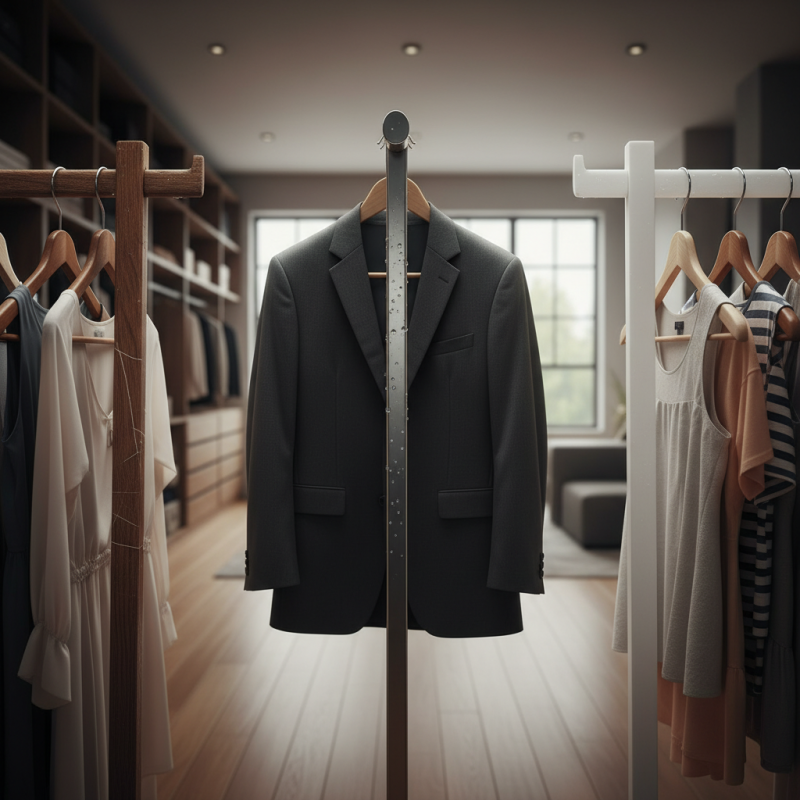
2026 How to Choose the Best Materials for Durable Hanger Racks?

Understanding the Importance of Material Selection for Hanger Racks

When selecting materials for hanger racks, understanding the significance of this choice is crucial. The right material enhances durability and ensures they withstand regular use. Common options include metal, wood, and plastic. Each has unique strengths and shortcomings. Metal is sturdy and can hold heavy items, but it may corrode without proper treatment. Wood offers aesthetic appeal, yet it can be prone to warping with moisture. Plastic is lightweight and affordable, but it often lacks the same durability as metal or wood.

Consider the environment where the racks will be used. Indoor racks may afford more flexibility in material choice. Outdoor racks require weather-resistant materials to ensure longevity. Many overlook the importance of weight capacity and strength. Racks must support the intended load without bending or breaking. Users often underestimate these factors. Occasionally, premature wear occurs not due to poor choice but improper care and maintenance.

Reflect on the overall design and functionality. Aesthetics matter, but they should not compromise strength. The balance between style and practicality is often an afterthought. An eye-catching rack might be appealing but can lead to dissatisfaction if it fails to meet durability expectations. Judicious material selection enhances both functionality and visual appeal, creating an optimal solution for your space.

Common Materials Used in Hanger Rack Manufacturing

When selecting materials for durable hanger racks, consider the most common options available. Metal, wood, and plastic each provide unique benefits. Metal, often chosen for its strength, offers a sleek appearance and can handle heavy garments. Steel is a popular choice, as it resists bending and can last for years.

Wooden racks bring warmth and aesthetic appeal. They can match various decor styles. Softwoods like pine are lighter but may dent easily. Hardwoods, although pricier, are sturdier and provide a polished finish.

Tips: Always check the weight capacity when selecting materials. Look for corrosion-resistant coatings on metal. Observe if wooden racks are treated to resist moisture. Plastic racks are lightweight and affordable. However, they may not withstand heavy loads.

While these materials seem ideal, each has drawbacks. Metal can rust without proper care. Wood may warp in humid environments. Thus, understanding your needs is crucial. Prioritize longevity and functionality over appearance alone.

Evaluating Durability and Longevity of Hanger Rack Materials

When selecting materials for durable hanger racks, evaluating durability and longevity is crucial. Heavy-duty materials like metal outperform plastic in load-bearing capacity. According to a 2022 industry report, metal racks can handle 50% more weight than plastic alternatives. However, metal is susceptible to rust if not treated properly. Stainless steel is often recommended for its corrosion resistance, but it can be costlier.

Wood, while aesthetically pleasing, requires treatment to prevent warping and splitting. A 2023 survey indicated that untreated wood racks often have a lifespan of less than three years. Proper sealing can extend that to ten years. Balancing aesthetics and function is essential.

Tips: Choose materials based on the environment. For humid areas, opt for treated wood or stainless steel. Regular maintenance checks can help identify weaknesses before they lead to failure. Consider weight capacity needs and future use; overloading can lead to premature wear, even in high-quality materials. Evaluating these factors will ensure you select a hanger rack that lasts.

Factors to Consider When Choosing Materials for Hanger Racks

Choosing the right materials for durable hanger racks is crucial for ensuring long-lasting use. One of the most important factors to consider is weight capacity. For instance, metal racks can support heavier loads compared to plastic. Reports indicate that high-quality metal can carry up to 150% more weight than plastic. This means metal is often more reliable for heavier garments.

Durability is also vital. Materials like stainless steel resist rust and corrosion, making them suitable for various environments. According to industry assessments, stainless steel racks can last over fifteen years with minimal maintenance. In contrast, wooden racks may succumb to moisture damage and warping. This inconsistency often leads to frequent replacements, increasing overall costs.

Cost is a significant factor as well. Cheaper materials might save money initially but can lead to higher maintenance and replacement expenses. For example, investing in quality materials can reduce costs by up to 30% over time, as indicated by market studies. Balancing upfront costs and long-term durability is key in making an informed choice. These aspects should guide you in selecting the right hanger racks that align with your needs.

Comparing Cost-Effectiveness of Various Hanger Rack Materials

When choosing materials for durable hanger racks, cost-effectiveness is crucial. Different materials provide varying degrees of strength, longevity, and price points. For instance, metal racks are highly durable but can be pricey. They withstand heavy loads and resist bending over time. However, their higher initial cost may not suit every budget.

On the other hand, plastic hanger racks are often lighter and cheaper. They are easier to install and can resist moisture, making them suitable for humid environments. Yet, they may not be as sturdy and can degrade faster under heavy use. Wood can offer a balance between aesthetics and durability. It adds a touch of style to a room while providing decent support. However, wood can warp in damp conditions and may require more maintenance.

Each material has strengths and weaknesses. A thorough analysis of your specific needs is essential. Are you prioritizing aesthetics, strength, or affordability? Reflecting on these questions can guide you in making an informed decision. Always consider the long-term implications of your choice. A durable rack is an investment that should meet your needs and budget.

FAQS

: What materials are commonly used for hanger racks?

: Common materials include metal, wood, and plastic. Each has unique strengths and weaknesses.

Why is weight capacity important when selecting hanger racks?

Weight capacity ensures the rack can hold intended items. Metal racks support heavier loads than plastic.

How does the environment affect material choice for racks?

Indoor racks offer flexibility, while outdoor racks need weather-resistant materials for durability.

What is a benefit of metal racks?

Metal racks are sturdy and can handle heavy items. They are sleek and long-lasting when cared for properly.

Are wooden racks a good choice for aesthetics?

Yes, wooden racks add warmth and match various decor styles. However, they can warp in humid conditions.

What should I consider about plastic racks?

Plastic racks are lightweight and affordable but may not withstand heavy loads. They offer limited durability.

How important is maintenance for durability?

Maintenance affects longevity. Improper care can lead to premature wear, regardless of material quality.

Can cheaper materials be cost-effective in the long run?

Cheaper materials may save initial costs but could lead to higher maintenance and replacement expenses later.

How do aesthetics fit into rack selection?

Aesthetics shouldn’t compromise strength. The right design should balance functionality with visual appeal.

What happens if I overlook weight capacity?

Overlooking weight capacity can result in bending or breaking, leading to dissatisfaction and potential safety hazards.

Conclusion

When selecting materials for durable hanger racks, it is crucial to understand the significance of material choice in ensuring longevity and functionality. Common materials utilized in hanger rack production include metal, wood, and plastic, each offering unique advantages. Evaluating the durability and longevity of these materials is essential, as it impacts the overall performance of the hanger racks.

When determining what materials are best for durable hanger racks, various factors must be considered, including weight capacity, resistance to wear and tear, and cost-effectiveness. A thorough comparison of the cost associated with each material can guide effective decision-making, ensuring that users invest in racks that not only fulfill their storage needs but also withstand the test of time.

Sophia

Sophia

Sophia is a dedicated marketing professional with an exceptional depth of knowledge about her company's products and services. With a keen understanding of market trends and customer needs, she crafts insightful blog posts that not only inform but also engage readers, enriching the company’s online......