As retail environments continue to evolve, one pressing question emerges: What is the future trend of retail display mannequins and hanger racks? The shift towards experiential shopping is reshaping how brands showcase products. Innovative technologies and sustainable materials are becoming essential. Retailers are increasingly integrating smart mannequins with digital features, enhancing customer engagement.
Moreover, the role of traditional hanger racks is also changing. Retailers seek to optimize space while maintaining visual appeal. Many are opting for modular designs that can adapt to various merchandise types. This flexibility helps create a cohesive shopping experience.
Yet, challenges remain. Brands must find a balance between aesthetics and functionality. The quest for sustainable materials adds another layer of complexity. How can manufacturers ensure durability while being eco-friendly? The future of retail display relies on creativity and collaboration among designers. Individual retail spaces will reflect brand identities, making each display unique.
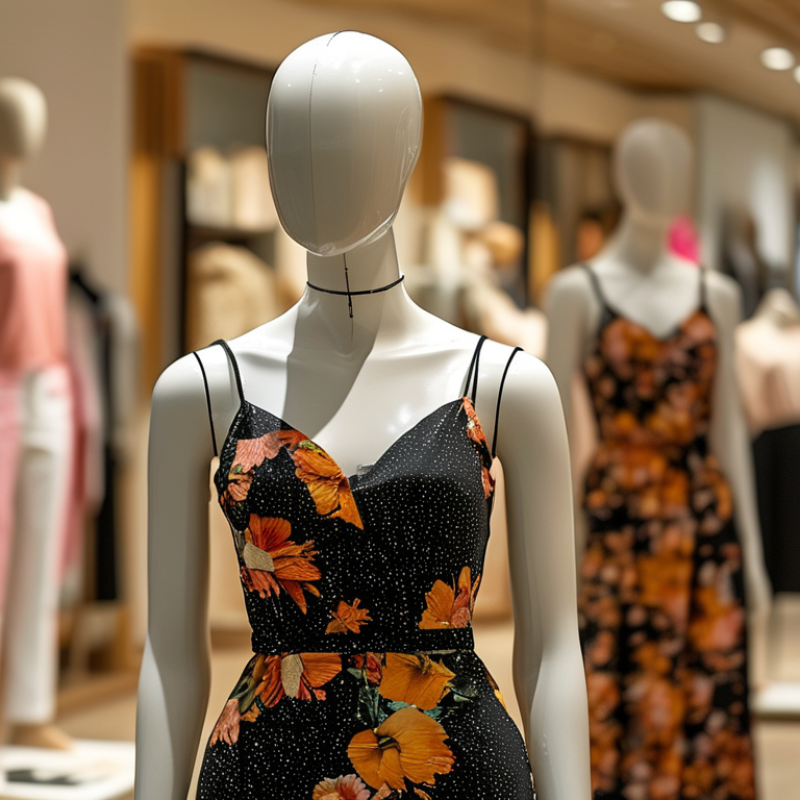
The future of retail display mannequins is poised for significant transformation. According to recent industry reports, the global retail display market is projected to reach $18 billion by 2025. Innovations in this space focus on enhancing customer engagement and creating immersive shopping experiences. Smart mannequins equipped with sensors can interact with consumers. These mannequins offer personalized recommendations based on shopping patterns.
Additionally, eco-friendly materials are becoming essential. The demand for sustainable products has increased, with 72% of buyers willing to pay more for eco-friendly items. Hanger racks are also evolving. Adjustable racks that adapt to various clothing sizes are gaining popularity. This flexibility allows retailers to showcase more diverse inventory.
Challenges exist in implementing these innovations effectively. Retailers may struggle with costs associated with high-tech mannequins. Moreover, the rapid pace of technology can lead to mismatched expectations among consumers. Balancing innovation with affordability is crucial for many businesses. As the retail landscape adapts, it is important for brands to remain mindful of these dynamics.
The retail landscape is evolving rapidly, particularly in the design of hanger racks. Innovative designs focus on aesthetics and functionality. According to recent industry reports, more than 70% of retailers plan to invest in modern rack systems within the next year. Enhanced functionality is driving this shift.
New rack designs feature adjustable heights and modular components. These allow for better space utilization. Retailers can now display products more effectively, catering to customer preferences. A survey indicated that 65% of shoppers are more likely to engage with visually appealing displays. Additionally, incorporating sustainable materials is becoming a priority. Nearly 55% of consumers prefer stores that practice sustainability in their displays.
Despite these advancements, challenges remain. Not all retailers understand the balance between style and utility. Some designs may prioritize aesthetics, leading to less realistic product presentation. Retailers must consider that an underutilized space can detract from overall shopping experience. Ongoing feedback from consumers is essential for refining these designs.
Sustainability trends are increasingly shaping the retail display industry. According to recent reports, over 60% of consumers prefer brands that demonstrate eco-friendly practices. This shift is pushing retailers to reconsider their choices in display mannequins and hanger racks. Traditional materials, like plastic, are under scrutiny for their environmental impact.
Many companies are now opting for biodegradable materials. This includes materials like recycled wood or bioplastics, which can easily return to nature. In fact, a study found that switching to sustainable mannequins can reduce carbon footprints by up to 30%. Retailers are not only investing in sustainable materials but also in energy-efficient production methods.
Hanger racks are also evolving. Innovative designs that minimize material use while ensuring strength are gaining popularity. Some evolving concepts even focus on modular designs, allowing easy updates or replacements. Yet, challenges remain. There is a need for more widespread adoption and clarity in sustainable certifications. Retailers must navigate this evolving landscape carefully to align with consumer expectations while remaining competitive. The journey towards fully sustainable retail displays is complex and requires ongoing commitment.
| Trend | Description | Impact on Sustainability | Expected Adoption Rate (%) |
|---|---|---|---|
| Eco-friendly Materials | Increased use of recyclable and biodegradable materials for mannequins and racks. | Reduces environmental impact and encourages responsible consumption. | 75% |
| Smart Technology Integration | Using IoT and AI for interactive mannequins and adaptive display systems. | Enhances customer engagement while reducing resource waste. | 60% |
| Modular Designs | Flexible and customizable display units that can be adapted for various purposes. | Promotes reusability and reduces the need for new production. | 65% |
| Minimalist Aesthetic | Focus on simplicity and functionality in design. | Decreases material usage and enhances visual clarity. | 55% |
| Local Sourcing | Increasing trend to source materials locally to minimize transportation footprint. | Reduces carbon emissions associated with logistics. | 70% |
Technology is reshaping retail displays in unprecedented ways. Retailers now leverage augmented reality (AR) to enhance customer engagement. According to a recent report by Forrester, AR can boost in-store sales by 21%. Customers can visualize products in their spaces, creating a more immersive shopping experience.
Mannequins have also evolved with the introduction of digital displays. These smart mannequins can show changing textures or colors, adapting to consumer preferences in real-time. A study from Statista indicates that 55% of consumers respond positively to interactive installations. This trend signifies a shift toward personalized shopping environments.
However, the integration of technology does not come without challenges. Retailers must invest in training staff to manage these advanced systems. Additionally, not all customers are comfortable with tech in stores. Some express a preference for traditional displays. Balancing innovation with customer comfort remains a critical consideration for retail strategies moving forward.
Consumer behavior plays a crucial role in shaping display design trends within the retail sector. The rise of e-commerce has shifted how consumers view physical shopping experiences. According to a report from Statista, about 79% of shoppers prefer to research products online before visiting a store. This shift demands that retail displays be not only visually appealing but also informative. Mannequins and hanger racks need to effectively convey style and fit, offering insights that resonate with today's savvy shoppers.
As sustainability becomes a priority, consumer preferences are changing. A Nielsen report indicates that 66% of consumers are willing to pay more for sustainable brands. Retail displays are adapting to this change by incorporating eco-friendly materials. Consumers want to see a commitment to sustainability reflected in the displays. However, the challenge lies in balancing aesthetics with environmental impact and cost. Not all retailers are ready for this transition, revealing the gaps in industry standards.
Moreover, the importance of personalization is on the rise. A study by Epsilon revealed that 80% of consumers are more likely to make a purchase when brands offer personalized experiences. This insight pushes retailers to rethink their mannequin placements and product arrangements. Displays must not only attract but also engage customers in a meaningful way. Even though the trends reflect consumer desires, many brands still struggle to implement such tailored approaches in their display strategies. Addressing this disconnect could be essential for future success.
: The global retail display market is expected to reach $18 billion by 2025.
Smart mannequins use sensors to interact with shoppers, offering personalized recommendations based on their habits.
Eco-friendly materials are increasingly essential, with many consumers willing to pay more for sustainable products.
Adjustable racks adapt to different clothing sizes, allowing retailers to showcase a more diverse inventory.
Retailers may struggle with the costs and technology mismatches that affect customer expectations.
Many shoppers prefer to research products online, affecting how retailers design physical displays.
Consumers are increasingly seeking sustainable brands, with many willing to pay more for eco-friendly products.
Personalized experiences lead to higher purchase likelihood, pushing retailers to adjust their display strategies.
Not all retailers are ready for sustainable practices, revealing gaps in standards and strategies.
Retail displays must attract and engage shoppers meaningfully, reflecting current design trends and consumer desires.
The future trend of retail display mannequins and hanger racks is steering towards innovative designs that enhance visual appeal and functionality. Retail display mannequins are expected to incorporate advanced materials and interactive technology, creating immersive shopping experiences that engage consumers more effectively. Meanwhile, hanger racks are evolving with designs that maximize space efficiency while maintaining aesthetic appeal, catering to the modern retail space’s needs.
Sustainability is also becoming a key focus, with retailers seeking eco-friendly materials for mannequins and hanger racks to align with growing consumer demand for responsible shopping practices. Additionally, understanding consumer behavior is crucial, as it significantly impacts display design trends. As retailers adapt to these evolving dynamics, incorporating technology and sustainability in their display strategies will be essential for staying competitive in the market.

Tianran Trade