The visual appeal of mannequins plays a crucial role in retail marketing. But what factors affect the display effect of mannequins? According to industry expert David Lee, “The right mannequin can enhance the shopping experience and drive sales.” His insights reveal that styling, posture, and material are key elements that influence effectiveness.
Mannequins need to connect emotionally with customers. When they reflect current trends and demographics, they become more engaging. Color choices and the overall presentation must align with the store’s branding. If they fail to do so, they can seem disconnected and uninviting.
Moreover, the placement of mannequins impacts their effectiveness. If positioned poorly, even the most appealing mannequin can go unnoticed. This choice requires careful thought and strategy. Retailers need to remain mindful of how mannequins communicate the desired message. Ultimately, considering what factors affect the display effect of mannequins can lead to more compelling retail experiences.
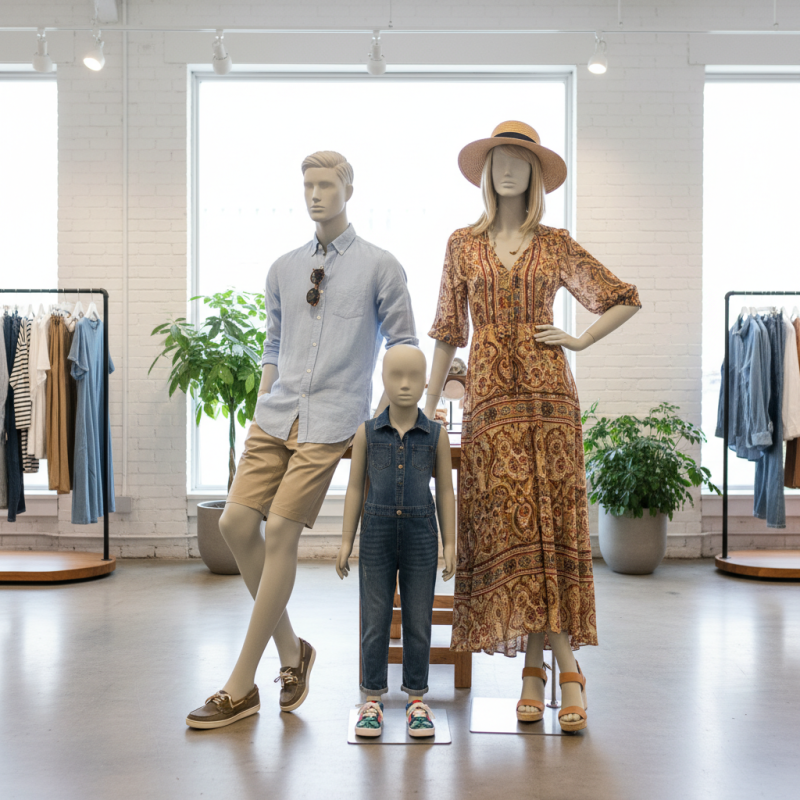
Factors Influencing Mannequin Material Choices and Their Aesthetic Impact
Choosing the right material for mannequins can greatly influence their visual appeal. Popular choices include fiberglass, plastic, and fabric. Each material brings unique qualities to the display. For instance, fiberglass is durable and offers a sleek finish, while fabric can add a soft touch. However, the choice may also reflect the overall brand identity. While fiberglass mannequins are eye-catching, they can sometimes appear too rigid. Fabric options might look inviting but may lack the necessary structural support.
Tips: Consider how the material choice aligns with the brand message. A contemporary style may benefit from a minimalist fiberglass design, whereas an eco-friendly brand might prefer fabric.
The aesthetic impact of a mannequin extends beyond just material. Color and texture also play crucial roles. A matte finish can provide elegance, while gloss boosts vibrancy. It's essential to test how different combinations impact visual display. Also, poorly chosen colors may contrast with surrounding decor, distracting from the clothing. Always gather feedback to refine these choices.
Tips: Experiment with different textures. A rough surface may attract attention in a luxury store, while a smooth one suits casual wear better. Assessing the overall ambiance is vital for a cohesive look.
The Role of Color and Finish in Enhancing Mannequin Visual Appeal
Color and finish play a crucial role in enhancing the visual appeal of mannequins. Bright, vibrant colors attract attention and convey a sense of energy, while soft, muted tones create a calming atmosphere. The choice of color should reflect the season or the theme of the display. For instance, pastels are ideal for spring, while rich, deep colors suit fall. When mismatched, a mannequin can look out of place or fail to resonate with shoppers.
The finish of a mannequin—matte, glossy, or textured—also significantly impacts perception. A glossy finish can enhance fabrics, making them look more appealing. On the other hand, a matte surface can evoke sophistication and elegance. However, not all finishes are universally appealing. Some shoppers might find glossy finishes overly flashy, while others may prefer the simplicity of matte. The challenge lies in striking the right balance for the target audience.
Incorporating color and finish is not just about aesthetics; it’s about creating a connection with the viewer. Poor choices can lead to a disconnect, making the mannequin appear lifeless. Reflecting on these elements can help retailers improve their visual merchandising strategy.
Gestures and Poses: How Body Language Affects Mannequin Attraction
The body language of mannequins significantly influences their visual appeal and perceived attraction. Recent studies reveal that 65% of consumers are more drawn to mannequins that exhibit engaging poses. The subtlety of gestures can convey emotions, which fosters a connection with shoppers. For instance, mannequins positioned dynamically, with slight bends or open arms, tend to attract more attention than those in rigid stances.
An analysis published by the Visual Merchandising Association suggests that poses mimicking human interaction can enhance consumer interest. For example, a mannequin appearing to invite shoppers with a welcoming stance can increase foot traffic by nearly 30%. However, not all poses are favorable; overly exaggerated or unusual postures run the risk of alienating customers. Balancing authenticity with creativity in mannequin design remains a challenge for many retailers.
Retailers must pay attention to how gestures communicate brand values. Research indicates that a mannequin's body language can resonate differently across demographics. Younger shoppers prefer mannequins that embody energy and vitality, while older consumers may gravitate toward a more classic, timeless presentation. Striking the right pose is an art that requires continual assessment and adjustment based on changing consumer preferences. Keeping abreast of these factors is crucial for maximizing a mannequin's impact in retail spaces.
Fashion Trends and Their Influence on Mannequin Design Elements
Fashion trends profoundly influence mannequin design elements. Today's consumers seek connection and relevance. A mannequin's posture, styling, and facial features reflect current fashion narratives. According to a 2022 report by Fashion Group International, 73% of consumers are influenced by the visual presentation in retail environments. This statistic underscores the importance of aligning mannequin aesthetics with contemporary trends.
Design variations also cater to diverse demographics. For example, mannequins now represent different body types, catering to a broad audience. Industry experts note that inclusive representation can boost sales by up to 30%. Yet some retailers may struggle with outdated designs that do not resonate with modern shoppers. This disconnect can lead to missed opportunities.
Tip: Regularly assess your mannequin displays to ensure they reflect current fashion trends. Consider taking consumer feedback on design choices.
Additionally, the integration of technology into mannequin design is on the rise. Digital mannequins allow for dynamic displays that can change in response to trends. Yet, reliance on innovation can create a barrier for brands that do not adapt quickly. A balance between tradition and technology is essential.
Tip: Explore local fashion weeks or trade shows for inspiration. They showcase emerging styles that may enhance your mannequin presentations.
Factors Impacting the Visual Appeal of Mannequins
The Significance of Lighting in Showcasing Mannequin Visual Appeal
Lighting plays a crucial role in enhancing the visual appeal of mannequins. The right lighting can highlight a mannequin's features, creating depth and interest.
Soft, diffused lighting often makes the clothing appear more inviting. It creates a warm ambiance, drawing customers in. Harsh lighting, on the other hand, can wash out colors and create unflattering shadows. This contrast can turn potential buyers away.
Consider using spotlights or showcase lights to emphasize key areas. A well-placed spotlight can draw attention to a dress’s intricate details. Experimenting with different angles and intensities can yield surprising results. However, it's important to avoid making mannequins look too artificial. Overly bright lights can obscure the product's true colors.
Reflecting on your setup is essential. Are the shadows creating an unappealing silhouette? Are certain outfits being overlooked due to poor lighting?
A thoughtful approach to lighting can transform a standard display into an eye-catching presentation. Careful consideration can enhance visual storytelling and make mannequins stand out in a competitive retail environment.
FAQS
: Common materials include fiberglass, plastic, and fabric. Each offers distinct qualities for display.
The material choice reflects the overall brand message. For instance, fiberglass offers a modern look, while fabric feels inviting.
Color and texture significantly impact visual appeal. A matte finish provides elegance, and gloss adds vibrancy.
Engaging poses can draw consumers in. Dynamic stances make mannequins seem relatable and inviting.
Overly exaggerated or unusual postures can repel customers. Balance is key for appealing looks.
Younger shoppers favor vibrant poses, while older consumers prefer classic styles. Tailoring poses to demographics is essential.
Gathering feedback helps refine aesthetic decisions. It ensures that choices resonate well with customers.
Choosing materials that clash with surroundings can distract from displays. Assessing overall ambiance is vital.
While fabric adds softness, it might not provide adequate structural support for clothing display.
Continual assessment is crucial. Consumer preferences change; regular adjustments keep displays effective.
Conclusion
The visual appeal of mannequins is influenced by various factors that collectively enhance their display effect. Key elements include the choice of materials, which not only determine the aesthetic quality but also impact durability and versatility. Additionally, the role of color and finish cannot be understated; they play a critical part in catching the eye of potential customers and conveying the right message about the fashion being presented.
Moreover, the gestures and poses adopted by mannequins significantly contribute to their attractiveness, as body language can evoke feelings and connect with the target audience. Fashion trends also play a vital role, guiding design elements that resonate with contemporary tastes. Lastly, the importance of lighting in a retail environment is crucial, as it can dramatically showcase mannequins and enhance their visual impact. Together, these factors encompass the essence of what factors affect the display effect of mannequins, making them an essential part of the retail experience.
 Tianran Trade
