Choosing the right mannequins for children's clothing stores is crucial. They serve as the silent salespeople and can significantly impact customer attraction. Understanding how to choose mannequins for children’s clothing stores is pivotal for enhancing the shopping experience.
These mannequins should reflect diversity and age-appropriateness. A well-chosen mannequin showcases the clothing effectively, drawing in parents and kids alike. Consider factors like size and pose. Some stores use realistic poses to create a playful atmosphere. Others prefer more classic poses to emphasize the clothing.
While it's tempting to go for the latest trends, practicality should guide your choices. Think about durability, especially in high-traffic areas. You may find that a less expensive mannequin wears out quicker than a sturdy option. Reflection on your initial choices can lead to better results in the long term. Remember, choosing mannequins is not just about aesthetics; it's also about creating a relatable shopping experience for children and their parents.
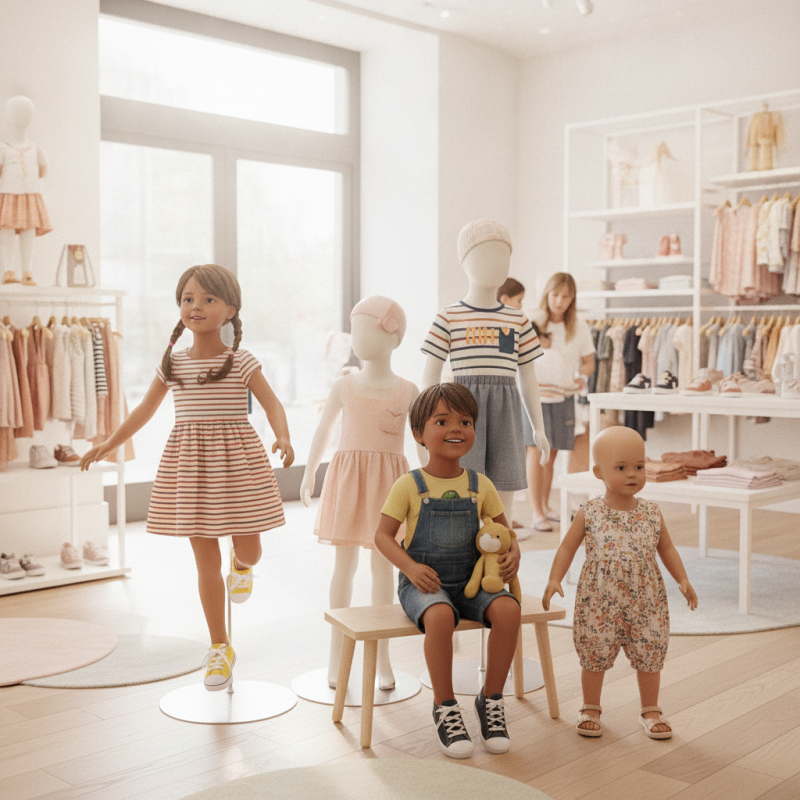
Mannequins play a vital role in children's clothing stores. They are more than just displays; they create a connection between the product and potential buyers. According to a study by the Retail Design Institute, effective visual merchandising can increase sales by up to 30%. This emphasizes the importance of selecting the right mannequins to attract attention.
When considering mannequins, it's crucial to reflect the target audience accurately. Children’s clothing stores, for instance, should opt for realistic and playful designs that resonate with both kids and parents. In fact, research shows that 62% of parents express a stronger interest in brands that present relatable imagery. Mannequins that reflect diversity and inclusivity can also enhance customer engagement, helping brands to foster a deeper emotional connection with shoppers.
Additionally, the positioning and styling of mannequins should be reviewed frequently. Stale or poorly updated displays can leave a negative impression. Anonymity in visuals can create disconnect, diminishing the allure of new collections. Therefore, regular assessments of mannequin effectiveness are essential. This approach not only refreshes the store's aesthetic but can also prompt discussions among the team on trends and customer preferences.
Choosing the right mannequins for children's clothing stores is crucial. These displays influence purchasing decisions and enhance the shopping experience. A recent report by the Retail Institute shows that well-placed mannequins can increase sales by up to 30%. Thus, selecting the right style and size of mannequins is essential.
When considering mannequins, the age and body type of the target demographic should guide your decisions. Fitting mannequins should reflect the diversity seen in modern children. For example, using mannequins of various sizes can resonate with parents seeking inclusive options. A study by Market Research Group indicated that 75% of parents prefer brands showcasing inclusive representation in products.
Additionally, consider the material and pose of the mannequins. High-quality materials ensure durability. Poses should be dynamic, attracting attention. However, overly artistic poses can sometimes misrepresent the clothing. The goal is to showcase the garments authentically. Reviewing the feedback from customers helps refine choices in mannequin selection, ensuring the displays meet expectations.
When selecting mannequins for children's clothing stores, size and scale are paramount. A mannequin that resonates with a child’s figure will highlight the outfit's fit and style. Sizes should reflect various age groups to attract different customers. For instance, a toddler-sized mannequin will work best for 2-4 years category clothes. However, if your store also caters to older children, integrating a range of sizes is important.
Choosing the right scale can enhance the overall shopping experience. A mannequin that is too large might overwhelm a small outfit, while a too-small mannequin might misrepresent the clothing's true fit. Realism matters, but so does creativity. Consider using dynamic poses that reflect children's playful nature. However, even with the best intentions, it is easy to overlook proportions. Some mannequins may not showcase the clothes accurately, leading to frustration among shoppers.
It’s essential to balance aesthetic appeal with functionality. Take time to evaluate how each mannequin interacts with the clothing it displays. This may require trial and error. Pay attention to how customers respond. Are they drawn to the display? Tweaking positions or styles based on feedback can lead to better sales. Your aim should be to create a setting that is inviting and relatable for children and parents alike.
When selecting mannequins for children’s clothing stores, materials and durability are crucial factors. Mannequins made from sturdy materials like fiberglass or plastic ensure they can withstand daily use. They are less likely to chip or break, which is essential in a busy retail environment. The kids’ clothing section often sees high foot traffic, making durability a top priority for visual displays.
Consider the weight and balance of the mannequins. A well-constructed mannequin should stand stable, even when dressed in heavier fabrics. Many displays may end up toppling, causing damage and creating a safety risk. Choosing the right material can prevent these issues and reflect well on your store. Additionally, assess how easily the mannequins can be maintained. Regular cleaning ensures they always look their best, which is particularly important for attracting customers.
It is also helpful to think about the mannequin's design and how it complements the clothing. Some mannequins may not represent kids accurately due to size or posture. A mannequin should ideally highlight the clothes rather than detract from them. Small imperfections in the mannequins can create a more relatable and approachable atmosphere, inviting parents and children alike to explore the collection. Balancing presentation and functionality is essential in creating a successful display.
Choosing the right mannequins for children’s clothing stores is crucial for effective branding. The style of mannequins should resonate with the store's overall aesthetic. A playful and whimsical design can attract young customers and engage parents. For instance, using mannequins with bright colors or fun, dynamic poses can create an inviting atmosphere. However, it is vital to ensure that these choices do not overshadow the clothing being displayed.
Consider the message your brand wants to convey. Are you promoting elegance or adventure? Aligning the mannequin style with this message is essential. For example, if your brand focuses on sustainability, using natural materials for mannequins might work well. Reflect on how your current selection impacts your branding. Are your mannequins aging? Do they still reflect your vision? These reflections can lead to better choices. Consistency in visual representation can build trust with your target audience.
: The right mannequin influences buying decisions and can enhance the shopping experience.
Consider age, body type, and diversity to resonate with parents seeking inclusive options.
Sturdy materials like fiberglass ensure durability, reducing the risk of damage in busy stores.
Dynamic poses attract attention but should still represent the clothing authentically.
Regular cleaning and maintenance keep mannequins looking appealing and professional.
A stable mannequin prevents toppling, minimizing safety risks and maintaining display integrity.
Accurate representation helps parents connect with the products and builds trust in the brand.
Small flaws can create relatability, making displays more inviting for families.
Assess materials, design, and how well they showcase the clothing in the collection.
Gathering feedback aids in refining choices, ensuring mannequins meet customer expectations.
When considering how to choose mannequins for children’s clothing stores, it is essential to understand their significant role in enhancing the shopping experience. Mannequins serve as tools for visual merchandising, showcasing clothing in an engaging manner that attracts customers. Key factors include the size and scale of the mannequins to ensure they accurately represent the intended age group, as well as the materials used, which should offer durability and resistance to the wear of a bustling retail environment.
Additionally, the design aesthetics of the mannequins should align with the store's branding, complementing the style and theme of the clothing on display. By consciously selecting mannequins that cater to these considerations, children's clothing stores can effectively draw in customers and create an inviting atmosphere that encourages purchases.

Tianran Trade