In today's competitive retail landscape, the visual presentation of products has become crucial. One powerful tool for achieving this is mannequins. These forms can effectively showcase clothing, accessories, and lifestyle products, drawing customers' attention. But how to use mannequins to attract customer attention?
The key lies in understanding your target audience and creating appealing displays. Mannequins should reflect current trends and styles. Tailor your displays to resonate with the demographics of your store. This approach increases customer engagement and potentially boosts sales.
However, it’s essential to consider the placement and styling of your mannequins. Experimenting with different poses can make a difference. A mannequin in a dynamic pose may highlight the clothing's flow and fit. Yet, it’s easy to make missteps. Consider testing various styles and layouts regularly. Continuous adjustment keeps your display fresh and engaging for customers.
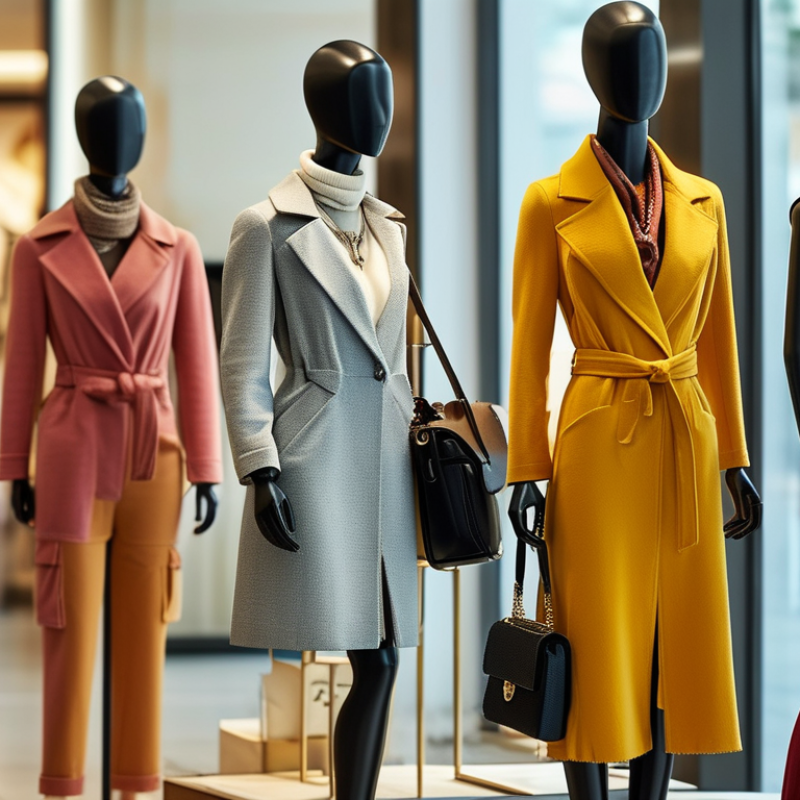
Mannequins play a crucial role in retail marketing by creating visual appeal. They serve as silent salespeople, showcasing products in an engaging way. A well-dressed mannequin can attract a customer’s attention, sparking curiosity about the displayed items. Retailers can choose mannequins that reflect their brand's identity. This creates a cohesive experience for shoppers. Different poses and styles can also evoke emotions, making customers pause and think.
However, not all mannequin displays are effective. Sometimes mannequins can appear too stiff or unrelatable. If a mannequin does not resonate with the intended audience, it can lead to a lack of interest. Choosing the wrong styles or outfits might disregard current trends. It’s important to analyze customer reactions and adapt accordingly. In some cases, fresh placements are needed to maintain interest.
To enhance the impact of mannequins, retailers should explore diverse techniques. Integrated lighting can highlight key features. Seasonal themes can keep the display feeling timely. Engaging customers through social media encourages them to share their experiences related to the display. Yet, it requires continuous observation and adjustment to find what truly works. Retailers should always be ready to pivot and refine their approach based on feedback and sales data.
Selecting the right mannequin is crucial for your brand's success. The type of mannequin you choose should reflect your target audience and brand identity. For example, a high-fashion retailer might opt for a sleek, stylish mannequin that embodies sophistication. In contrast, a casual wear shop could benefit from more relaxed and approachable figures. Think about your store’s theme and color palette when making a choice. This alignment helps create a cohesive shopping experience.
Consider the different materials and poses available. Plastic mannequins are lightweight and versatile, while fiberglass mannequins offer a more premium look. Full-body mannequins capture attention more effectively than partial models. However, they can be more expensive. It’s worth evaluating your budget and store layout. Reflect on how your mannequins interact with your products. If they clash or blend in too much, it can confuse customers.
Styles of mannequins also bring unique challenges. Some may not effectively showcase your clothing. Think critically about the mannequin's proportions and posture. A mannequin that doesn’t align with body types in your market may mislead customers. Regularly assess the effectiveness of your display. Experimentation may lead you to rethink your selections, helping to sharpen your marketing strategy and better engage with potential buyers.
Strategic placement of mannequins is crucial in capturing customer interest. Mannequins should be positioned at eye level. This draws customers in and encourages them to explore the store further. Placing mannequins near entrance areas can create an inviting atmosphere. It instantly showcases the latest trends and promotional items.
Consider using different styles and poses to convey various moods. A relaxed mannequin can attract casual shoppers, while a more dynamic pose might appeal to a younger crowd. Lighting plays a significant role as well. Bright lights can highlight mannequins, making them stand out. A well-lit display can grab attention quickly, especially in a busy shopping area.
Reflect on the flow of your store. Mannequins should guide customers through the space. Placing them near high foot traffic areas can effectively increase visibility. However, overcrowding a section with too many mannequins may lead to confusion. It’s essential to strike a balance. Try experimenting with different placements regularly to see what resonates most with your customers.
| Placement Strategy | Customer Interest Level (1-10) | Suggested Products | Visual Appeal (1-10) |
|---|---|---|---|
| Entrance Display | 9 | Seasonal attire, Trendy outfits | 10 |
| Window Display | 8 | Accessories, Featured collections | 9 |
| High Traffic Aisles | 7 | Casual wear, Footwear | 8 |
| Checkout Area | 6 | Impulsive buys, Small items | 7 |
| Promotional Areas | 10 | Discounted items, New arrivals | 10 |
Using accessories and styling on mannequins can significantly enhance their visual appeal. Accessories like hats, scarves, and jewelry bring life to the display. They create intriguing focal points, drawing customers' attention. A well-accessorized mannequin tells a story. It speaks of a lifestyle that customers can relate to or aspire to.
When styling mannequins, consider color coordination. Ensure that the colors complement each other and create harmony. Bold contrasts can work too, but they require careful planning. A mismatch in colors can make the display confusing. It's essential to maintain a clear visual message. Experimentation is key; sometimes, a bold choice may not resonate as expected.
Draping techniques also deserve attention. Layering clothing creates depth in the display. However, overdoing it can obscure the outfit's design. Strive for balance between simplicity and flair. Additionally, frequently revisiting and refreshing the displays is necessary. What worked last season may not capture interest today. Continuous reflection and adaptation keep mannequins relevant and engaging.
Updating mannequin displays with seasonal themes can significantly boost customer interest. Research indicates that 65% of consumers are influenced by visual merchandising in their purchasing decisions. Seasonal changes offer a perfect opportunity to refresh displays and attract attention. For instance, using bright colors and thematic accessories can make mannequins stand out.
Incorporating local cultural elements into displays also enhances engagement. For example, during holidays, using familiar symbols can resonate well with customers. It's important to note that many retailers struggle with timely updates. Nearly 40% of visual merchandisers report feeling pressure to constantly innovate. This highlights a need for more streamlined processes to refresh displays effectively.
While seasonal themes can enhance visual appeal, consistency remains key. Frequently changing mannequin outfits can confuse customers if not done with a cohesive strategy. Push for creativity, but ensure that changes align with the broader marketing objectives of the store. Balancing novelty with brand identity can lead to better customer retention.
: The right mannequin reflects your target audience and enhances your brand identity.
Plastic mannequins are lightweight, while fiberglass offers a premium appearance. Choose based on your needs.
Place mannequins at eye level and near entrances to draw in customers and showcase trends.
Consider proportions and posture. A poor fit can mislead customers about body types and fit.
Accessories like hats and jewelry add life and create focal points, drawing customer attention effectively.
Frequent updates are key. What appealed last season may no longer attract interest today.
Bright lighting highlights mannequins, making them more noticeable in busy shopping areas.
Too many mannequins can confuse customers and detract from the intended message of the display.
Colors should complement each other. Mismatched colors can create confusion for shoppers.
Regular experimentation helps identify what resonates with customers, improving engagement and sales.
In the realm of retail marketing, mannequins play a crucial role in attracting customer interest. To effectively utilize mannequins, one must first understand their significance in showcasing products and creating an appealing shopping environment. Choosing the right type of mannequin that aligns with your brand identity is essential, as it can influence customer perceptions. Strategic placement of these figures within the store layout enhances visibility and draws shoppers' eyes to key merchandise.
To further captivate customers, enhancing visual appeal with well-chosen accessories and styling can elevate the overall presentation. Additionally, regularly updating mannequin displays in line with seasonal themes and promotions can keep the store fresh and engaging. By mastering how to use mannequins to attract customer attention, retailers can create a dynamic shopping experience that encourages purchases and builds brand loyalty.

Tianran Trade