Choosing the right mannequins for your business is crucial. Mannequins serve as silent salespeople, influencing customer engagement. However, understanding "What is the difference between different types of mannequins" can be challenging.
Expert Sarah Henderson, a visual merchandising consultant, states, “Choosing the right mannequin can transform your retail space.” Her insight emphasizes the role of mannequins in creating an appealing display. Different types of mannequins include full-figured, torso, and specialty ones, each serving unique purposes.
Investing time to learn about these differences matters. It can impact sales and overall customer experience. Reflecting on your brand's identity can guide you in selecting the perfect mannequin type. While many business owners overlook this aspect, a thoughtful approach can lead to enhanced store aesthetics. Which mannequin will you choose? The answer can revolutionize your marketing strategy.
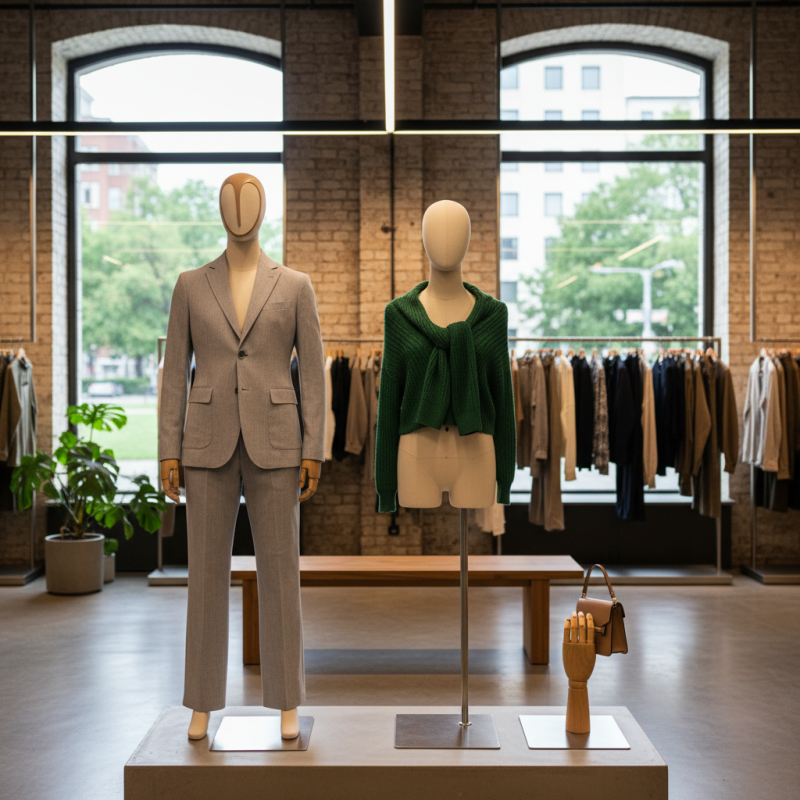
Understanding the Different Types of Mannequins Available
When selecting the right mannequins for your business, it’s crucial to understand the different types available. According to industry reports, mannequins contribute to a 25% increase in sales when used effectively. This statistic highlights their importance in visual merchandising. There are several types of mannequins, each serving a unique purpose.
Full-body mannequins offer a classic look, showcasing clothing in a way that resembles real people. They are often made of fiberglass or plastic and come in various poses. Torso mannequins are a more economical option, ideal for displaying tops, accessories, or lingerie. They take up less space and can enhance any retail setup.
**Tips:** Consider the type of clothing you sell. For high-end fashion, a realistic full-body mannequin may work best. For casual wear, torso mannequins can be both stylish and functional. However, remember that having too many mannequins can clutter your space. Aim for a clean display that draws attention without overwhelming customers.
Additionally, specialty mannequins are available, like child-sized or plus-sized models. These serve specific customer demographics and enhance inclusivity. However, acquiring various styles may require careful budgeting. Ensure that your choices align with your brand's image and customer preferences. Balancing variety and coherence is key.
Comparison of Different Types of Mannequins
This chart displays the popularity of different types of mannequins used by businesses, showcasing the number of businesses that employ each type. Full-body mannequins are the most popular choice, while child mannequins are the least used.
Evaluating the Purpose and Functionality of Mannequins for Your Business
When selecting mannequins for your business, understanding their purpose is essential. Mannequins serve as a silent sales tool. They showcase your products effectively, highlighting key features and styles. Choosing the wrong type could mean missing out on sales opportunities. Are you aiming for elegance or casual appeal? Different shapes and poses convey different messages.
Consider your target customer. A well-designed mannequin speaks directly to them. It reflects their lifestyle and aspirations. Pay attention to size and proportion. A mannequin that aligns with your merchandise enhances visual storytelling. Experiment with various poses; an animated stance can grab attention. However, not every mannequin will fit your brand image. Test and evaluate what works best for your space.
The material of the mannequin also affects your display. Options range from plastic to fiberglass. Each material has unique advantages and limitations. A durable mannequin can withstand daily use but may lack style. Assessing these aspects is vital for effective presentation. Remember, it's okay to revisit your choices. Retail trends shift often. Flexibility in your display strategy may keep your business relevant.
2026 How to Choose the Right Mannequins for Your Business?
| Feature |
Description |
Suitable For |
| Material |
Mannequins can be made from fiberglass, plastic, or foam. Fiberglass is durable and offers a realistic finish. |
Fashion retailers, luxury brands |
| Poseability |
Some mannequins are adjustable and can be posed to create dynamic displays. |
Theater outfits, promotional events |
| Size |
Mannequins come in different sizes from standard to plus size. |
Apparel stores, plus-size fashion |
| Gender |
Available in male, female, and child forms, each suitable for different clothing lines. |
Children's clothing, men's fashion |
| Color |
Mannequins can be painted in diverse colors or left in a neutral tone for versatility. |
Retail displays, event styling |
Considerations for Size and Proportions in Mannequin Selection
Choosing the right mannequins for your business involves careful consideration of size and proportions. The mannequins you select should reflect your target market. For instance, if your customer base is predominantly petite, you may want to opt for smaller-sized mannequins. This will create a more relatable shopping experience for your customers.
Tips: Measure your average customer. Aim for mannequins that match these proportions closely. This attention to detail can make a significant difference in how customers perceive your products. Additionally, think about the type of clothing displayed. Larger mannequins may suit heavy outerwear, while smaller ones are ideal for delicate fabrics.
Remember that diversity is key in mannequin selection. Offering a range of sizes can cater to a wider audience. However, it’s essential to reflect on your brand’s identity. You don’t want to overwhelm your store with mismatched sizes. Balancing variety with consistency can enhance visual appeal. Think critically about each choice you make.
Material and Quality: Choosing Durable Mannequins for Longevity
Choosing the right mannequins is vital for showcasing your products effectively. Material and quality are key factors that should guide your decision. Different materials offer various benefits. For instance, fiberglass mannequins are lightweight and durable, while plastic options are cost-effective and easy to maintain. Each material has its pros and cons that should be weighed carefully.
Durability is crucial for long-term use. High-quality mannequins can withstand the rigors of retail displays. They should resist scratches, dents, and fading. A sturdy mannequin maintains its appeal over time, reducing the need for frequent replacements. However, less expensive mannequins may fall apart quicker than expected, leading to increased costs down the line.
Consider the weight and stability as well. A mannequin that tips easily can disrupt your display and create a negative impression. Investing in a heavier base can provide stability, showcasing your products without interruptions. Reflect on your store's environment. Mannequins exposed to sunlight or harsh conditions may require more resilient materials. Evaluate your needs and choose wisely for the best display impact.
Budgeting for Mannequins: Cost-Effective Choices Without Sacrificing Quality
Selecting the right mannequins can greatly impact your store’s image. For businesses, budgeting is crucial. You want mannequins that fit your design vision while being cost-effective. High-quality mannequins don't always come with a high price tag. Research is key. Look for suppliers that offer durable products at reasonable prices.
Consider investing in a mix of styles. Invest in full-body mannequins for showcasing outfits, and use headless or partial mannequins for accessories. This variety allows flexibility without overspending. Remember, the right choice enhances your merchandise presentation.
Tips:
- Always check materials. Quality materials ensure longevity.
- Consider second-hand options for unique finds.
- Refurbished mannequins might need a bit of creativity but can save money.
- Look online for feedback from other retailers on suppliers and products. Genuine experiences help you avoid potential pitfalls.
Conclusion
When selecting the right mannequins for your business, it's essential to understand the differences between various types of mannequins available. Evaluating their purpose and functionality will help you determine which style aligns best with your brand's needs. Size and proportions are also critical considerations, as mannequins should represent your target demographic accurately to enhance customer engagement.
Additionally, the material and quality of mannequins play a key role in their durability and longevity. Choosing robust mannequins ensures they withstand the rigors of regular use. Budgeting is another important factor; it’s possible to find cost-effective options that do not compromise on quality. By weighing these aspects, you can make informed decisions about what is the difference between different types of mannequins, ultimately selecting the best ones for your business's success.
 Tianran Trade
