 Tianran Trade
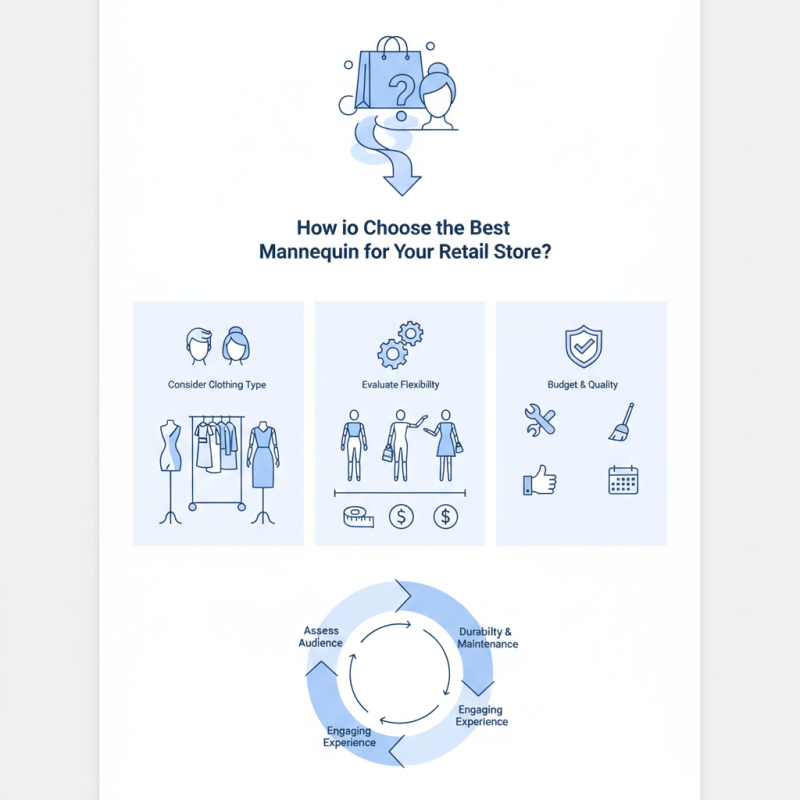
How to Choose the Best Mannequin for Your Retail Store?
Choosing the right mannequin for retail store display is crucial for visual merchandising. A well-chosen mannequin can enhance your products and attract more customers. Understanding how to choose the right mannequin involves considering various factors, such as style, material, and size. You want a mannequin that complements your brand and fits your space.
Start by assessing your target audience. Different demographics respond to different styles. For instance, a contemporary mannequin appeals to younger shoppers, while a classic design might attract an older crowd. It’s also essential to think about the types of clothing you'll display. Each item may require a specific posture or figure representation.
Many retailers overlook the importance of flexibility. A mannequin's ability to pose can significantly impact presentations. Reflect on your display needs and adapt accordingly. While budget plays a role, investing in quality options often pays off. Remember to evaluate the durability and maintenance aspects of the chosen mannequin. How to choose the right mannequin for retail store display is not just about aesthetics; it’s about creating an engaging shopping experience.
How Mannequin Types Impact Consumer Behavior in Retail Environments
Choosing the right mannequin type can significantly influence consumer behavior in your retail store. Mannequins offer a visual representation of your products, creating a more engaging shopping experience. Different types serve various purposes, from showcasing clothing to conveying lifestyle aspirations. Realistic mannequins attract attention, while abstract ones evoke curiosity. Consider how each type aligns with your brand message.
The placement and styling of mannequins also matter. A well-dressed mannequin can convey seasonal trends, while others might highlight specific items. The goal is to create a connection between the shopper and the product. Observing customer reactions to different styles can reveal valuable insights. Some stores find that lifelike mannequins drive sales, but others may benefit from a minimalistic approach.
Reflect on your store's aesthetic before making a decision. While a certain type might be appealing, it’s essential to evaluate its effectiveness in your space. Monitor foot traffic and sales to understand what resonates with your audience. Each component, from the mannequin type to its pose, impacts the consumer journey. Investing in the right mannequin can transform how products are perceived and ultimately sold.
FAQS
: Mannequins visually represent products, creating an engaging shopping experience that can influence customer decisions.
Different types, like realistic or abstract mannequins, serve various purposes and should align with your brand message.
Effective placement and styling can highlight specific items or trends, enhancing the connection between shoppers and products.
Consider the average size of your customers, using plus-size or petite mannequins as needed to ensure proper fit.
A mannequin's stance can evoke emotions; upright poses suggest confidence, while relaxed ones may indicate comfort to customers.
Proper lighting emphasizes mannequin features and the clothing’s texture, attracting customers and improving the viewing experience.
Visual merchandising enhances mannequin effectiveness and can increase sales by guiding customers through the store.
Regularly rotating outfits keeps displays fresh and invites repeat visits from customers interested in new styles.
Overcrowded displays can confuse customers and diminish the impact of your mannequins, making the shopping experience less enjoyable.
Track foot traffic and sales to understand which mannequin types resonate with your customers and adjust accordingly.
Conclusion
When considering how to choose the right mannequin for retail store display, it is essential to understand how different types of mannequins can influence consumer behavior. The selection process begins by evaluating key factors such as size and proportion to ensure that mannequins represent the target customer effectively. Additionally, material choices play a critical role in impacting both aesthetics and durability, which can affect the overall presentation of merchandise.
Visual merchandising is also vital in maximizing the effectiveness of mannequins, as strategic placement and styling can attract customer attention and enhance the shopping experience. Finally, it's important to analyze the cost versus value, allowing retailers to budget appropriately for high-quality mannequins that can elevate their store's appeal and ultimately drive sales. By considering these elements, retailers can make informed decisions in selecting mannequins that best suit their display needs.
