How to choose mannequin size for different clothing types begins with a practical question: what must the mannequin support? A lightweight jersey top needs a different form from a structured blazer, flowing evening dress, or tailored trouser. Choosing only by appearance often creates problems. Sleeves twist, waistlines rise, and hems lose their intended balance.
Connie Amaden-Crawford, a respected fashion educator and author of The Art of Fashion Draping, has said, “The dress form is the foundation of accurate draping.” Her point remains useful for modern retail displays and garment development. The form should match the garment’s measurements, construction, and intended customer. Measure bust, waist, hip, shoulder width, torso length, and inseam before ordering. Do not trust a small, medium, or large label alone.
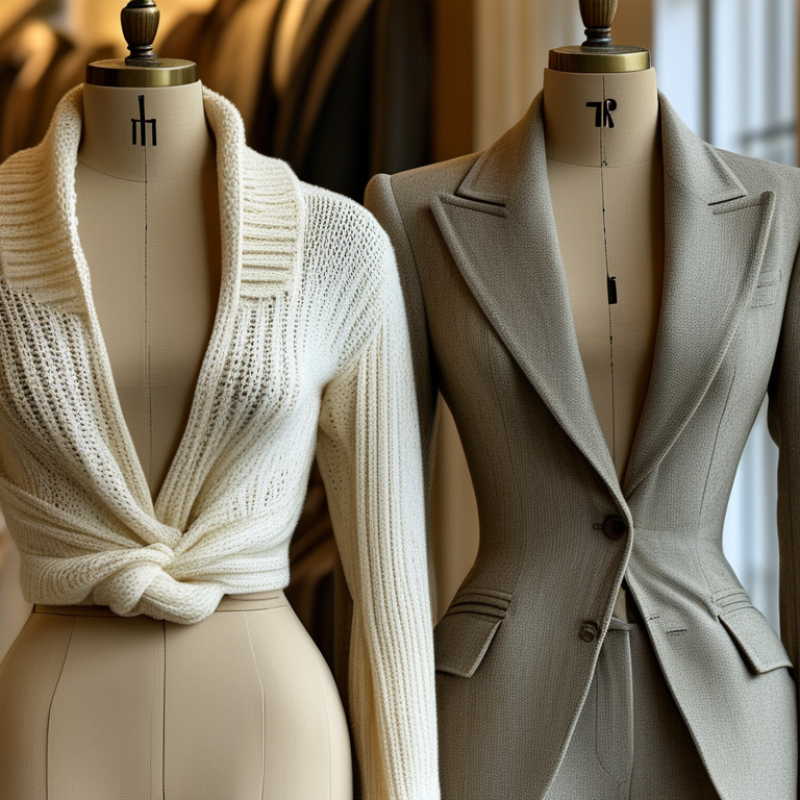
For fitted jackets, select a firm, proportionate mannequin with accurate shoulders and bust depth. Knitwear benefits from a slightly fuller form that shows stretch without distorting the fabric. Trousers need a clear hip, seat, and crotch shape. Bridal and formalwear often require a longer torso or adjustable form for layered skirts. Children’s garments demand age-appropriate proportions, not reduced adult measurements.
Real work exposes exceptions. A display mannequin may look elegant but fit poorly for technical sampling. An adjustable form can help, yet adjustment gaps may affect pinning. Even expert choices need checking. Compare the mannequin with the target size chart, then test one actual garment. That small fitting test can prevent expensive revisions.
Understanding Mannequin Measurements and Clothing Fit Requirements
Choosing a mannequin size starts with measurements, not the label printed on its neck.
The SizeUSA anthropometric survey scanned more than 10,000 American adults and recorded over 200 body measurements per person. This evidence shows why “medium” cannot represent every customer. Compare bust, waist, hip, shoulder width, and torso length with the mannequin’s specification sheet.
Different garments demand different priorities. A fitted jacket needs accurate shoulders, bust depth, and armhole position. A pencil skirt depends heavily on hip and waist balance. For knitwear, choose a form close to the garment’s relaxed measurements, then check stretch recovery.
ASTM D5585 provides standardized female body-size measurements, while ISO 8559-1 defines consistent measurement landmarks. Use both references when developing or purchasing forms.
I have found that a slightly smaller form can improve display tension for tailored clothing, but it may distort loose garments.
That is a real risk.
Test a sample garment on the mannequin before production photography or window installation. Pin the side seams, inspect the neckline, and measure hem level from the floor.
I would also record the mannequin’s posture, because a sloped shoulder or curved back changes fit visibly. The process is not perfect. Human bodies remain more varied than any standard chart.
Matching Mannequin Sizes with Dresses, Tops, and Outerwear
Choosing a mannequin size starts with the garment, not the display space. Measure the bust, waist, hips, shoulder width, and torso length. Then compare those figures with the clothing’s actual measurements. A mannequin should support the fabric without stretching it.
Dresses need careful attention to bust and hip balance. A fitted dress may wrinkle across the chest when the form is too small. If the form is too large, the zipper can look strained. For loose dresses, choose a size that preserves the intended fall. Check the hem while the mannequin stands naturally. A tilted pose can change the length noticeably.
Tops depend heavily on shoulder width and neckline shape. A narrow mannequin may make a shirt look oversized. That impression can be false. Outerwear needs more room, especially around the shoulders and sleeves. Allow space for a sweater underneath. I once selected a form based only on bust size, and the coat sleeves looked awkward. The shoulder measurement mattered more. Use a flexible measuring tape and record each dimension. Size charts can differ, so do not trust the label alone. Leave slight ease for movement, but avoid excessive empty space beneath the fabric. It weakens the garment’s silhouette. A small mismatch may still work for relaxed clothing. Test it under real lighting. Surface shadows often reveal pulling that a fitting room hides.
Adjusting Mannequin Size for Stretch, Structure, and Fabric Weight
How to Choose Mannequin Size for Different Clothing Types?
Mannequin size should respond to stretch, structure, and fabric weight. For jersey, rib knit, or elastane blends, choose a form close to the garment’s target body measurements. Do not size down automatically. Excessive stretching can distort the neckline and change the intended drape. Textile Exchange’s 2024 Materials Market Report states that polyester represented about 59% of global fiber production in 2023. Many polyester blends stretch differently, so fiber content alone cannot predict fit.
Structured garments need more breathing room. Tailored jackets, denim, and thick wool require a firm mannequin with accurate bust, shoulder, and waist measurements. Heavy fabric can pull hems downward and flatten curved areas. I usually test a sample on the form for several hours, then check the shoulder line again. My first fitting mistake was trusting the label size too much. It looked correct, but the sleeve pitch was wrong.
Tips: Measure the mannequin, not just its size label. Compare bust, waist, hip, shoulder, and torso length. For stretch fabrics, test relaxed and extended measurements. For rigid fabrics, allow movement ease. ASTM D4964 can help evaluate fabric stretch and recovery, while AATCC TM135 supports dimensional-change testing after laundering. The 2023 NRF Consumer Returns Report estimated that 14.5% of U.S. retail sales were returned. Fit errors are not minor. Leave a little room for uncertainty.
Conclusion
How to choose mannequin size for different clothing types begins with understanding the measurements that control garment fit, including bust, waist, hip, shoulder, and torso length. Dresses and tops usually require a form that reflects the garment’s main fitting area, while outerwear may need extra room for layers and structured construction. For trousers, skirts, and tailored garments, accurate waist, hip, rise, and leg proportions are especially important to prevent distortion and maintain a natural silhouette.
The mannequin should also match the fabric and design. Stretch materials can work with a closer-fitting form, while heavy, rigid, or highly structured fabrics may require additional ease and stronger support. After selecting a size, check the garment’s balance, proportions, seams, closures, and overall appearance from multiple angles. A well-matched mannequin helps display clothing accurately and makes it easier to identify fit issues before presentation or production.
 Tianran Trade
