 Tianran Trade
How to choose the best mannequins for small boutiques?
Choosing the right mannequins for small boutique stores is critical. Mannequins are not just display tools; they are a reflection of your brand’s identity. The right mannequin can enhance the shopping experience and drive sales.
Consider the type of products you sell. For example, fashion boutiques may need more poseable mannequins to showcase clothing effectively. Think about the demographics of your target customers. Young shoppers might prefer trendy, vibrant displays, while a more mature audience may appreciate classic styles. Selecting the correct size and shape is vital. A mismatch can lead to a disconnect between merchandise and presentation.
Reflect on the overall aesthetic of your boutique. Do the mannequins match the vibe you wish to convey? It’s essential to test different styles and observe customer reactions. Sometimes, what seems perfect might not resonate well with shoppers. Strive for a balance between creativity and functionality. Explore different materials and textures that align with your brand vision. Each choice you make should support how to choose mannequins for small boutique stores, driving both appeal and sales.
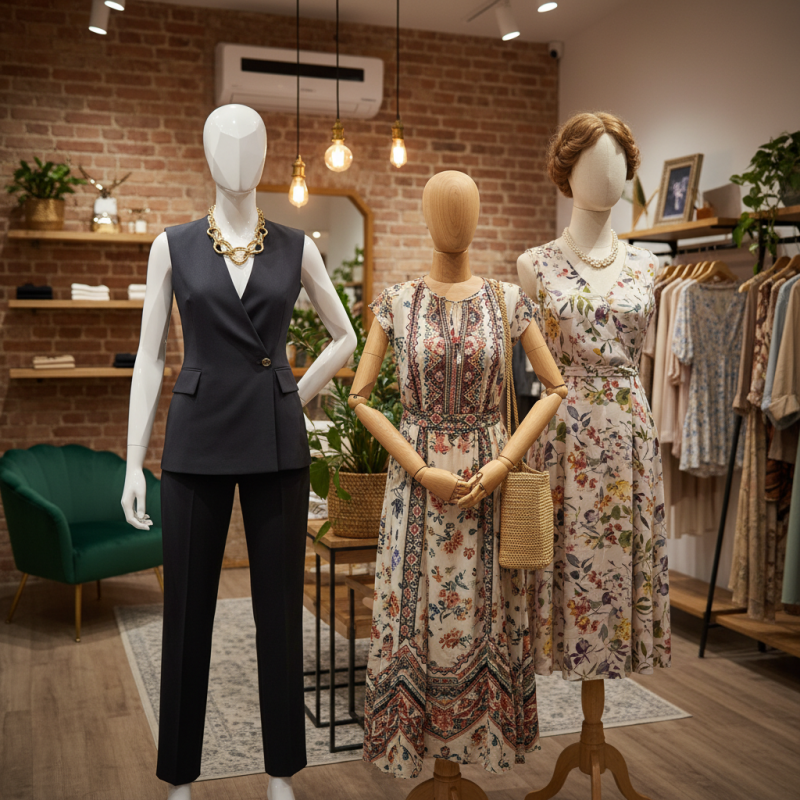
Choosing the Right Style: Understanding Different Types of Mannequins
When selecting mannequins for small boutiques, it's essential to understand the
different types available. Each style serves a unique purpose.
Dress forms exhibit clothing fit and tailoring, while
realistic mannequins emphasize style and presentation. The right choice can
enhance the shopping experience
and boost sales.
A report from the National Retail Federation indicates that
78% of purchases are influenced by visual merchandising.
This underscores the importance of selecting an appropriate mannequin type. For instance,
abstract mannequins can draw the eye and create a modern feel,
while posed figures may evoke a sense of relatable fashion. Small boutiques often benefit from
streamlined designs, which offer better space utilization.
Consider the demographic of your clientele. Research indicates that
65% of apparel purchases are made by women aged 18-34.
Therefore, using mannequins that resonate with this age group is crucial. Balancing aesthetics
with practicality can be challenging. Sometimes, a mannequin might not represent all body types
effectively. Reflecting on the
Inclusivity of your mannequin choices can
enhance customer engagement. It's a journey filled with insights and adjustments.
FAQS
: Mannequins are often made of plastic or fiberglass. Each material has its pros and cons.
Plastic mannequins generally range from $50 to $150 each, making them affordable.
Yes, fiberglass mannequins are more durable and long-lasting, priced between $150 to $500.
Evaluate your needs, display frequency, and the environment. Each factor affects the choice of material.
Well-chosen poses can boost customer engagement. Shoppers often spend more time on appealing displays.
Yes, not all poses resonate universally. It's essential to test and gather customer feedback for adjustments.
A quality finish minimizes damage. It can prolong the mannequin's useful life in a retail setting.
Yes, using sustainable materials can positively impact a boutique's image and customer perception.
Absolutely. Versatile designs can enhance visual appeal without making spaces feel cramped.
Collect feedback on customer interactions and adapt mannequin styles as needed to improve merchandising.
Conclusion
When considering how to choose mannequins for small boutique stores, it’s essential to start by understanding different styles available, as this sets the foundation for your visual merchandising strategy. The right style can attract customers and enhance product appeal, so knowing the various types is crucial. Next, assess the size and proportions of mannequins to ensure optimal product display, making certain that they complement your merchandise rather than overwhelm it.
Material is another important factor; comparing cost and durability can help determine the best investment for your boutique. Additionally, the impact of pose should not be underestimated, as it can significantly influence the customers' perception of your clothing. Lastly, evaluating whether to invest in custom or standard mannequins can help tailor your display to your unique boutique environment and branding, ensuring a cohesive shopping experience that draws customers in.
