When running a small boutique store, selecting the right mannequins is crucial. Expert Lisa Marks, a retail consultant, says, "The right mannequins breathe life into your displays." Mannequins not only showcase your clothing but also set the mood of your store.
To truly understand how to choose mannequins for small boutique stores, consider your brand's identity. Each mannequin should reflect your unique style and the audience you aim to attract. It's about creating a connection with your customers. For instance, using vintage mannequins can resonate well with a retro clothing line, while sleek figures might suit a modern boutique.
It’s easy to overlook details like size and shape. A mannequin that’s too tall or slim may not represent your target demographic well. Reflecting on your choices is vital. Don't just pick the cheapest option; think about how it enhances your product. Ultimately, choosing the right mannequins is about storytelling. They should engage customers and inspire them to envision themselves in your clothes.
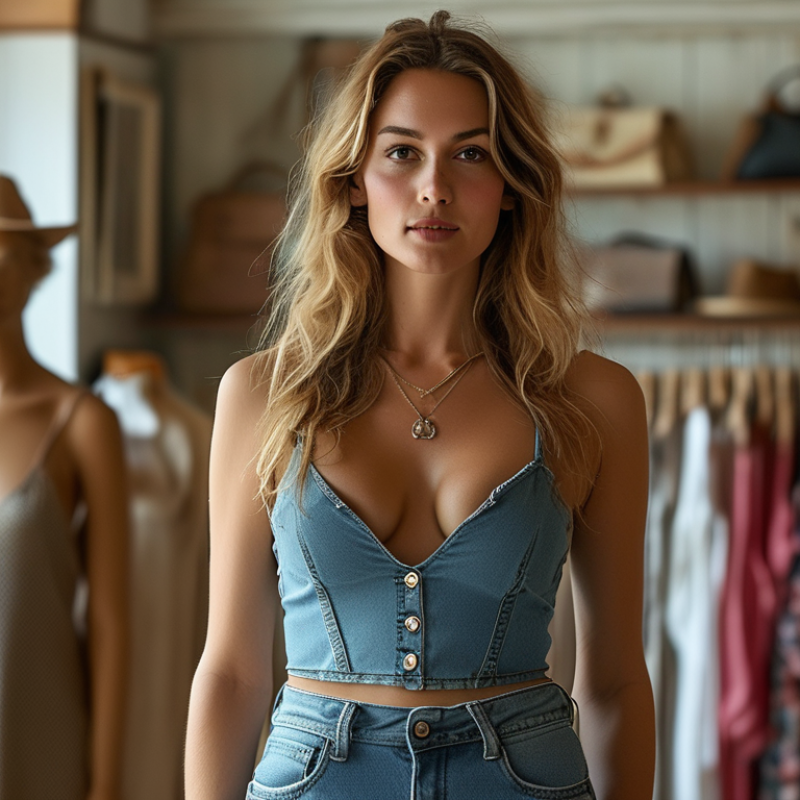
Choosing the right mannequins for your boutique is essential. They are not just display tools; they enhance your brand identity. With various types to choose from, understanding each can make a difference in your store's appeal.
Full-body mannequins are popular for showcasing complete outfits. They present a realistic view, making it easier for customers to envision themselves in the clothing. If you want a more dynamic display, consider articulated mannequins. These can be posed in various ways, making your displays more engaging. For minimalist styles, headless mannequins work wonders. They focus solely on the clothing without distractions.
Tips to remember: Select mannequins that align with your target market. For a high-end boutique, elegant shapes are ideal. Conversely, casual styles suit laid-back brands. Additionally, consider the finish of the mannequins. Glossy finishes attract attention, while matte ones can appear more sophisticated. Reflect on your store's overall theme. Ensure the mannequins enhance your vision rather than detract from it.
When selecting mannequins for your boutique, size and proportions are crucial. Start by understanding your target market. Are you catering to petite or plus-size customers? Your mannequins should reflect your product range. For instance, a size 8 mannequin may not appropriately showcase larger styles.
Take time to evaluate the proportions of the mannequins. They should capture the essence of the clothing you sell. Consider the height and body shape. A tall, slender mannequin might not display a curvy dress well. In contrast, a shorter mannequin could enhance the appeal of casual wear. Reflect on how these choices affect customer engagement.
Visual appeal matters greatly. The mannequins should complement your store's overall aesthetic. However, a common mistake is choosing mannequins solely based on trends. What looks good now may not resonate with your clients later. Continuously reassess how well your mannequins represent your brand and products. Adaptation is key to maintaining relevance in a fast-paced market.
When selecting mannequins for your boutique, the material is paramount. Plastic mannequins are a popular choice. They are lightweight and often more affordable. However, they can lack the realism of other materials. Their durability makes them suitable for busy environments, but they might not convey high fashion.
Fiberglass mannequins are another option. They offer a sleek, high-quality appearance. Stores often choose them for their realistic finish. Yet, they are heavier and more expensive. This could impact your budget. Depending on your brand, this investment might be worth it for showcasing premium clothing.
Fabric mannequins provide a unique alternative. They are soft and flexible, ideal for draping garments. However, they may not be as visually striking as their hard counterparts. Consider your overall store aesthetic. Functionality must balance with appearance and cost. Remember, there’s no perfect choice. Each option has strengths and weaknesses. Reflection on your specific needs will guide you to the best decision.
When selecting mannequins for your boutique, pose and style play crucial roles in attracting customers. According to the National Retail Federation, 67% of shoppers are influenced by visual merchandising. The right mannequin can transform your store's aesthetics and enhance product visibility. For instance, a mannequin posed in a dynamic, engaging stance can draw attention and create an emotional connection with the clothing.
Consider the type of message you want to convey through your mannequins. High-fashion boutiques often prefer mannequins with contemporary poses, giving a sense of movement. In contrast, casual wear stores might benefit from relaxed and approachable styles. A report from the Fashion Institute of Technology indicates that mannequins with diverse body types and poses resonate well with a broader audience, promoting inclusivity.
Tip: Regularly assess how your mannequins represent current fashion trends. Keeping them updated can be a game-changer. Another consideration is the environment where the mannequins will be displayed. The lighting and overall decor will affect how their poses are perceived. Testing different styles can ensure you make the best choice for your target audience.
When selecting mannequins for your boutique, budget is crucial. Investing in quality mannequins can provide significant benefits over time. Cheap mannequins may break easily and need replacement. This leads to higher costs in the long run. Quality mannequins tend to withstand wear and tear better. They also maintain a professional appearance that attracts customers.
Consider the materials of the mannequins. Plastic mannequins are often less expensive, but they can look less sophisticated. Fiberglass options are sturdier and more visually appealing. Investing in durable, high-quality mannequins can enhance your store's aesthetic. It allows for better visual merchandising and displays. Think about the types of clothing you sell. The right mannequin can elevate your products' appeal and perform essential functions.
Evaluate your store's atmosphere. A unique mannequin may differentiate your boutique. However, it is vital to stay within your budget. Reflect on your customer base and their expectations. The goal is to find a balance between style and affordability. Strive for mannequins that reflect your brand while being a smart financial investment.
| Mannequin Type | Material | Price Range ($) | Longevity (Years) | Best Use Case |
|---|---|---|---|---|
| Dress Form Mannequin | Fiberglass | 150 - 300 | 5 - 10 | High-end clothing displays |
| Full-Body Mannequin | Plastic | 100 - 250 | 3 - 7 | Storefront displays |
| Bespoke Mannequin | Foam | 200 - 500 | 5 - 10 | Custom fashion lines |
| Child Mannequin | Plastic | 80 - 150 | 3 - 5 | Children's clothing |
: Size reflects your product range and target customer base. It helps in showcasing items accurately.
Evaluate height and body shape based on the clothing style. Proportions should match customer expectations.
Trends can change rapidly. Focus instead on what resonates with your customer base for long-term success.
A dynamic pose can attract attention and create emotional connections with the clothing displayed.
Yes, diverse mannequins resonate with a wider audience, promoting inclusivity and broadening appeal.
Lighting and decor can impact how mannequin poses are perceived and influence customer reactions.
Regular assessments ensure mannequins stay aligned with current fashion trends and customer interests.
Avoid choosing mannequins purely based on trends; focus more on customer connection and brand representation.
Yes, the mannequin style should complement store aesthetics to enhance visual appeal and attract customers.
Testing styles can help identify what best improves customer engagement and aligns with your brand image.
When considering how to choose mannequins for small boutique stores, it is essential to understand the various types available for display. Different styles, such as full-body, torso, or headless mannequins, can impact how merchandise is showcased. The size and proportions of the mannequins should be assessed to ensure they complement the clothing and fit well within the boutique’s layout, enhancing the overall aesthetic.
Material choice plays a critical role as well; options include plastic, fiberglass, and fabric, each offering unique benefits regarding durability and appearance. Additionally, the pose and style of the mannequins must align with the fashion appeal of the boutique to attract customers effectively. Lastly, budget considerations should be made, as investing in quality mannequins will ensure longevity and a better return on investment while maintaining an attractive visual display.

Tianran Trade