How to Choose the Right Mannequin Size for Every Clothing Type?

Time:2026-05-16 Author:Mason
0%

Choosing the right mannequin size is crucial for effective visual merchandising. It ensures your clothing looks its best and attracts customers. Many don’t realize how mannequin size influences the perception of the garment. Understanding how to choose mannequin size for different clothing types can elevate your display.

Different styles require different mannequins. A fitted dress may need a different size than a loose sweater. The fit should reflect the intended wear. A mannequin that is too big or too small can mislead customers. It becomes vital to assess what best showcases your clothing.

Many businesses overlook the importance of this choice. Fitting issues can result in lost sales. Clients expect realism in displays. Take time to measure your designs and choose wisely. A mannequin’s size can enhance or detract from the appeal of your clothing. Think carefully about this decision for better results.
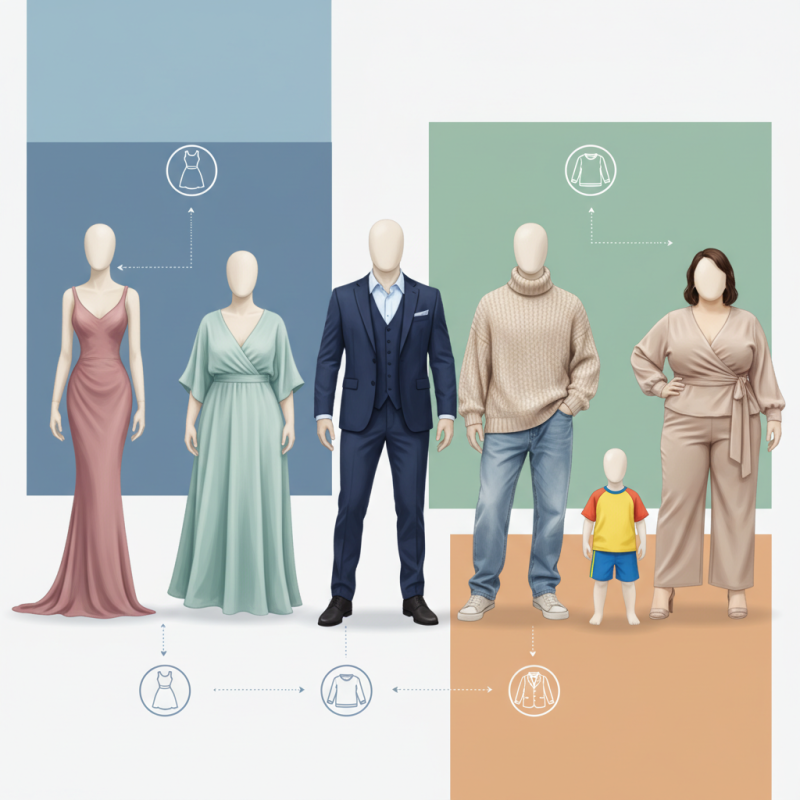
How to Choose the Right Mannequin Size for Every Clothing Type?

Understanding Different Types of Mannequins and Their Uses

Choosing the right mannequin size is crucial for showcasing clothing effectively. Different types of mannequins serve various purposes, and understanding them can enhance your display. Dress forms are often used for garments that require pinning or altering. They come in various sizes and shapes, providing a realistic representation of how clothing fits. For example, a slim dress form is great for formal wear, while a plus-size form can highlight curves beautifully.

Tips: Always measure your garments before selecting a mannequin. A mannequin that is too large may distort the clothing’s appearance. Conversely, a small form may not represent the garment correctly.

Another type is the full-body mannequin. These are excellent for retail displays. They can show off the entire look, and many have removable parts, which is a plus for showcasing different styles. However, these mannequins can be heavy and may lack realism in body shape.

Tips: Think about the angles customers will view the mannequin from. A full-body mannequin may look appealing from the front but may not be as effective from the side. Selecting the wrong type can lead to an unprofessional look.

Key Measurements to Consider When Selecting a Mannequin

Choosing the right mannequin size is crucial for presenting clothing effectively. Begin by measuring key areas like bust, waist, and hip. These dimensions influence how garments fit and drape. A mannequin should reflect the average size of your target audience. Misjudging these measurements can lead to dissatisfaction.

Consider the type of clothing being showcased. For form-fitting dresses, precise measurements are vital. A size discrepancy can alter the viewer's perception of the garment. For loose-fitting styles, a slightly larger mannequin may create a more relaxed look. Always evaluate how the fabric interacts with the mannequin's shape.

Don’t forget about height and posture. A mannequin that is too tall or short can distort the visual appeal of the clothing. Additionally, the mannequin's stance should match the style of the garment. An out-of-place pose can misrepresent the intended look. Reflect on your choices; are they truly representing the clothing’s best features?

Choosing the Right Mannequin Size for Specific Clothing Styles

When choosing a mannequin size, it's crucial to consider the clothing style you're showcasing. Research from the Fashion Retail Institute indicates that 55% of consumers make purchasing decisions based on visual appeal. A well-sized mannequin highlights the garment's fit and design, enhancing its attractiveness. For casual wear, a standard size mannequin often suffices. However, for tailored or formal outfits, precision is key. A mannequin that reflects the intended customer's body type can make a significant difference in sales.

Certain clothing styles require specific mannequin measurements. For instance, lingerie and swimwear often look best on smaller, more accurate mannequins. Reports indicate that customers are 70% more likely to buy when the fit is realistic. On the other hand, oversized mannequins work well for outerwear. They allow the drape and material of the garment to be showcased effectively. It's essential to reflect on whether the selected size aligns with your target audience. Regularly revisiting these choices can help improve visual merchandising and lead to better customer engagement.

Adjustable Mannequins: Benefits and Best Practices

Choosing the right mannequin size is crucial for showcasing clothing effectively. Adjustable mannequins offer a versatile solution for retailers and designers. They allow for easy modifications to fit various clothing types, from fitted dresses to oversized jackets. This flexibility ensures that garments are displayed in a way that highlights their features.

Adjustable mannequins come with multiple benefits. They can be easily adapted for different sizes and body shapes. This adaptability is especially useful when dealing with a diverse range of clothing. However, some find it challenging to achieve the perfect fit. It requires careful adjustment and may take time to master. Retailers should invest time in learning how to adjust them correctly for the best presentation.

Furthermore, using these mannequins helps create a realistic shopping experience. They represent real body types more accurately. However, it's essential to remember that no one size fits all. Regularly reviewing how garments look on these mannequins can help identify areas for improvement. Experimentation with position and fit is necessary for optimal results.

Tips for Displaying Clothing Effectively on Your Chosen Mannequin

When displaying clothing, selecting the right mannequin is crucial. Pay attention to the fit and proportion. A mannequin that is too large or small may misrepresent the garment. Aim for a size that corresponds closely to your target demographic. This helps customers visualize how the clothing will look on them.

Utilizing accessories can enhance the display. Try adding hats or scarves for interest. Avoid clutter; it can distract from the clothing. Instead, focus on a clean layout that highlights the outfit. Use good lighting to showcase details. Soft, even light helps reduce shadows and draws attention to textures and colors.

Remember, trial and error is part of the process. It’s essential to routinely assess how the clothing performs on the mannequin. If an outfit doesn’t attract attention, consider changing the display. This flexibility allows for continuous improvement. The end goal is to create an inviting presentation that encourages purchases.

FAQS

: Why is choosing the right mannequin size important?

: The right size highlights clothing effectively and enhances its attractiveness.

What is a dress form used for?

Dress forms are ideal for garments needing pinning or alterations.

How can I determine the right mannequin for my garment?

Always measure your garments to ensure the mannequin fits correctly.

What should I consider when using a full-body mannequin?

Think about customer view angles; it may not look good from every side.

Do different clothing styles require specific mannequin types?

Yes, tailored outfits need precise sizes, while casual wear often uses standard sizes.

How do customer perceptions affect mannequin choices?

Realistic fit increases purchase likelihood; 70% are more likely to buy realistic mannequins.

Can oversized mannequins be beneficial?

Yes, they showcase outerwear drape and material effectively.

Why should I reflect on my mannequin choices regularly?

Regular reflection can improve visual merchandising and enhance customer engagement.

Are there limitations to using full-body mannequins?

They can be heavy and may lack realism in body shape, affecting display quality.

What’s a common mistake in mannequin selection?

Choosing a mannequin that is too large or too small can distort the clothing's appearance.

Conclusion

When learning how to choose mannequin size for different clothing types, it's essential to understand the various types of mannequins and their specific uses. Each clothing style demands distinct measurements—knowing these key metrics can significantly impact how effectively garments are displayed. For instance, fitted garments may require a slimmer mannequin, while flowing dresses may look better on a more rounded figure.

Adjustable mannequins offer versatility, allowing you to adapt the size according to the items you wish to showcase. In addition to selecting the right size, displaying clothing effectively on your chosen mannequin involves strategic positioning and styling techniques. Overall, careful consideration of mannequin choice can enhance visual merchandising and appeal to customers, making it a critical aspect for retailers.

Mason

Mason

Mason is a seasoned marketing professional with a deep expertise in the company's offerings and a passion for driving brand awareness. With a strong background in digital marketing strategies, he has an innate ability to connect with diverse audiences and effectively communicate product benefits.......