Maintaining mannequins is essential for retail businesses aiming for longevity and effectiveness in displays. Proper upkeep ensures that these figures represent your brand well over time. In this article, we explore "How to maintain mannequins for long-term use" with practical tips derived from industry experts.
Using the right cleaning products can prevent damage. Avoid harsh chemicals. Instead, opt for mild soap and soft cloths. Regular dusting also helps to maintain their appearance and prevent staining. Pay attention to the material of your mannequins. Some may require specific care to preserve their integrity.
Storage plays a crucial role in longevity. Mannequins should be placed in a climate-controlled environment. Extreme temperatures can cause warping or fading. Occasionally, inspect for wear and tear. Addressing small issues early can prevent costly repairs later on. By adopting these practices, retailers can ensure their mannequins stand the test of time.
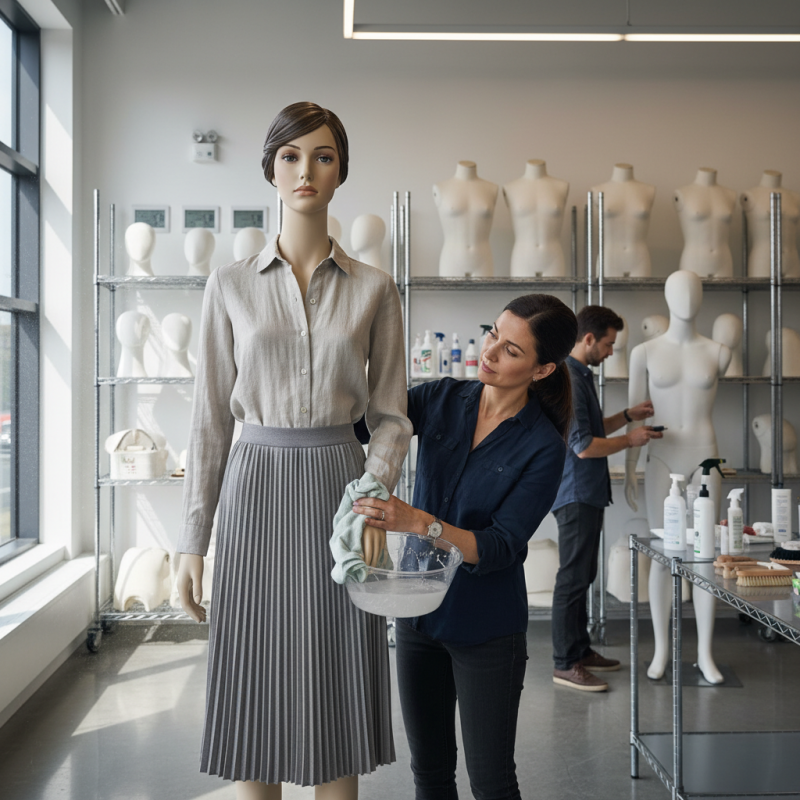
Regular cleaning is crucial for maintaining mannequins over the long term.
Dust, dirt, and stains can accumulate and ruin their appearance. A simple, consistent cleaning routine can extend their lifespan significantly.
Use a soft cloth and mild soap to gently wipe surfaces. Avoid harsh chemicals that could damage the materials.
Neglecting to clean your mannequins can lead to discoloration and deterioration. Stains may become permanent if not addressed quickly.
Some might think a quick dusting is enough. In reality, deep cleaning is essential. Pay attention to joints and areas that collect dirt.
While routine maintenance is vital, it’s also important to assess the condition of your mannequins regularly.
Look for signs of wear or damage. Small cracks and chips can develop over time. Addressing these issues promptly will prevent further deterioration.
Regular cleaning combined with thorough inspections can keep your mannequins looking sharp.
Maintaining mannequins for long-term use requires careful attention to cleaning materials and techniques. Using the right tools can greatly extend the life of these display figures. Opt for microfiber cloths to avoid scratches when dusting. They capture dirt effectively without damaging the surface. Always use a gentle touch when cleaning.
For deeper cleaning, a solution of warm water and mild soap works well. Avoid harsh chemicals, as they can cause discoloration. Soft sponges are ideal for spot cleaning stains. Rinse thoroughly and dry promptly to prevent water spots. It’s best to conduct a spot test before cleaning the entire surface. This helps assess how materials react to your cleaning solution.
Occasionally, even routine cleaning may not remove all stubborn stains. Reflection can help here. Remember, some materials will require extra care. Assess any damage regularly, and make repairs early to avoid worse issues. Consider how you store your mannequins when not in use; improper storage can lead to wear. By consistently applying these tips, your mannequins can remain in good condition, ready to showcase your products effectively.
Proper storage practices are essential for extending the lifespan of mannequins, which are a significant investment in retail. According to industry data, mannequins can cost anywhere from $100 to $1,000 or more, depending on their design and material. Poor storage can lead to damage, fading, and even functional loss, which is counterproductive for retailers.
To maintain mannequins effectively, environments should be climate-controlled. Extreme temperatures can warp materials, while high humidity encourages mold growth. Keeping mannequins in a dry, cool area can mitigate these risks. Additionally, using protective covers helps prevent dust accumulation and reduces wear. Regular inspections are necessary to catch early signs of damage, allowing for timely repairs or adjustments.
Occasional use of cleaning agents is essential. However, one should be cautious with harsh chemicals that can degrade materials. It’s worth noting that some mannequins might require specific cleaning products to prevent discoloration. Regular assessments of the mannequins’ condition can help refine storage practices and improve longevity. Remember, even with careful storage, no method is infallible. Regular reflection on practices can lead to cumulative improvements over time.
When it comes to mannequins, understanding common damages is key. Many issues arise from regular use. Scratches, dents, and fading can occur over time. Such damages can affect their appearance and value. Noticing these issues early on can save you from costly repairs.
Repairing minor scratches is quite straightforward. Use fine-grit sandpaper to smooth them out. Follow this with a touch of matching paint for a seamless finish. Deep dents may need more attention. A heat source like a hairdryer can soften the material. Gently press from behind to pop the dent out. Ensure you do this carefully; too much heat can cause further damage.
Fading is another common issue. It may happen due to prolonged exposure to light. Consider using a UV protectant to limit future exposure. If fading has already occurred, touch-up paint can help. Patching areas where the paint has worn away can restore the mannequin's original look. Frequent inspections will help maintain their quality. Don't ignore damaged areas; they only worsen over time.
Maintaining the stability and pose integrity of mannequins is crucial for their longevity. A well-maintained mannequin can enhance visual merchandising and save costs over time. Regular inspections help identify and correct issues early on.
Consider the base support when positioning mannequins. A sturdy base improves stability and prevents tipping. Check the base regularly to ensure no damage or wear. Also, avoid placing mannequins too close to high-traffic areas. A small space can prevent accidental knocks.
Proper pose maintenance is essential. Mannequins should be adjusted occasionally to retain their form. Check joints and connectors frequently. Over time, these parts can weaken. A little twist here or a slight adjustment there may keep them looking sharp. Remember, it’s crucial not to force any movement. This could lead to breaks or permanent distortions. Always handle them gently during adjustments. Keeping these practices in mind will ensure mannequins serve their purpose effectively.
: Regular cleaning prevents dust, dirt, and stains from accumulating, which can ruin their appearance over time.
Use a soft cloth and mild soap. Avoid harsh chemicals that could damage the materials of the mannequins.
Neglecting cleaning can lead to discoloration and permanent stains. Deep cleaning is essential for maintaining their appearance.
Store mannequins in a climate-controlled area. Avoid extreme temperatures and high humidity to prevent damage.
Look for scratches, dents, and fading. Early detection can save money on costly repairs in the long run.
Use fine-grit sandpaper to smooth scratches, then apply matching paint for a seamless finish.
Use a UV protectant to limit future fading. For existing fading, touch-up paint works well to restore their look.
Address cracks and chips promptly. Neglecting them can lead to further deterioration of the mannequin's condition.
Yes, protective covers help prevent dust accumulation and reduce wear during storage.
Regular assessments are necessary to catch early signs of damage. Reflect on your practices to ensure improvement.
To ensure the longevity of mannequins, understanding how to maintain mannequins for long-term use is essential. Regular cleaning is crucial, as it prevents dust and grime buildup that can deteriorate their appearance. Utilizing recommended cleaning materials and techniques can effectively preserve the material quality. Additionally, proper storage practices play a significant role in extending a mannequin's lifespan by protecting them from physical damage and environmental factors.
Another key aspect involves identifying and repairing common damages, such as cracks or stains, early on to prevent further deterioration. Maintaining mannequin stability and pose integrity is also vital; using appropriate bases and supports can achieve this. By following these guidelines, the aesthetic and functional quality of mannequins can be preserved for years to come.

Tianran Trade