 Tianran Trade
2026 Best Tips for Long Term Care of Mannequins How to Maintain?
Maintaining the longevity of mannequins is essential in various industries, from retail displays to medical training. According to a 2023 report from the National Association of Retailers, proper care can extend a mannequin's usable life by up to 50%. Retail specialists emphasize the importance of "How to maintain mannequins for long-term use" to protect this investment. Industry expert John Smith states, "Regular maintenance not only preserves appearance but also ensures functionality."
Mannequins are often exposed to various environmental factors, such as light and humidity, which can deteriorate their appearance over time. Investing in proper cleaning solutions and storage methods is crucial. Smith highlights that "a little attention goes a long way," emphasizing the need for routine inspections and care. Dust and dirt can accumulate, leading to unappealing displays.
Despite these recommended practices, many neglect their mannequins until serious wear occurs. The challenge lies in maintaining a consistent routine. Regular check-ups and gentle cleaning methods are vital, yet often overlooked. Understanding the unique needs of your mannequins can make all the difference. By committing to learning "how to maintain mannequins for long-term use," businesses can provide a more appealing and effective presentation.
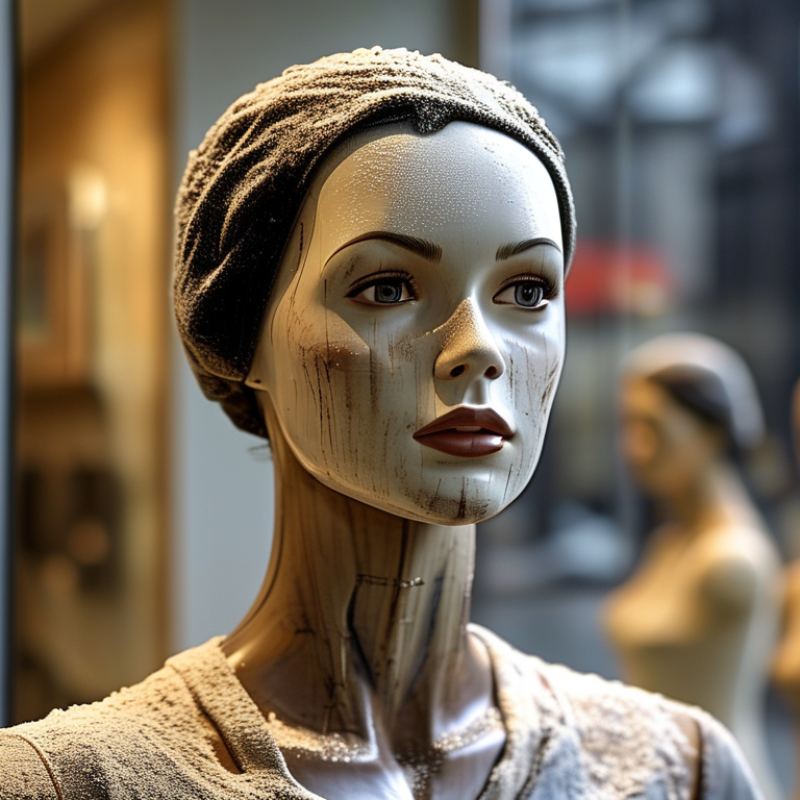
Best Practices for Cleaning Mannequins to Ensure Longevity
Cleaning mannequins is more than just wiping surfaces. It directly impacts their lifespan. Regular maintenance ensures they remain in optimal condition. Utilize mild detergents when cleaning. This prevents damage to the materials over time. Avoid harsh chemicals; they can discolor or degrade the surface.
Use soft cloths or sponges during the process. They are less abrasive and help maintain the finish. Pay attention to joints and seams. These areas tend to collect dust. Regularly inspect these spots for discoloration or wear. Sometimes, minor repairs might be necessary.
Storage plays a crucial role in preservation. Keep mannequins indoors, away from direct sunlight. Exposure can lead to fading or warping. Consider using breathable covers when not in use. This simple step can protect them from dust and humidity. Each cleaning session should be an opportunity to evaluate their condition. Reflect on any signs of wear. Is it time for a deeper clean or a minor repair?
FAQS
: Understanding materials helps determine the care needed and affects durability and maintenance requirements.
PVC mannequins can crack over time, especially when exposed to extreme temperatures.
They can chip or discolor if harsh chemicals or abrasive cleaning methods are used.
Use mild soap and water to clean fiberglass mannequins and avoid damaging them.
Monthly inspections are ideal to identify early signs of wear and tear.
Look for cracks, fading colors, or loose joints to assess their condition.
Yes, neglect can lead to costly replacements and reduce the life of mannequins.
Mold can grow, which affects both the aesthetics and hygiene of the mannequins.
Addressing minor repairs early can prevent larger issues from developing and save costs.
No maintenance can prevent all problems, but proactive care significantly reduces them.
Conclusion
Maintaining mannequins for long-term use requires a comprehensive understanding of their care practices. Key points include best practices for cleaning, which directly impact the longevity of the mannequins. Different materials used in constructing mannequins necessitate specific maintenance approaches; thus, it's crucial to understand how material affects their upkeep. Proper storage conditions are essential to prevent damage, ensuring that mannequins remain in optimal condition over time.
Regular inspections are vital for identifying and addressing any wear and tear that could compromise the mannequins' integrity. By keeping a close eye on their condition, issues can be promptly resolved before they escalate. Additionally, knowing when to seek professional services can further enhance the care process, ensuring that mannequins are expertly maintained for prolonged use. Overall, an informed approach to how to maintain mannequins for long-term use will ensure their durability and effectiveness in various settings.
