2026 Best Mannequin Types Differences You Need to Know?

Time:2026-08-08 Author:Madeline
0%

When exploring the world of fashion display, the question arises, "What is the difference between different types of mannequins?" Industry expert and visual merchandising consultant, Sarah Morgan, emphasizes, “Understanding mannequin types can transform retail spaces.” This statement highlights the importance of selecting the right mannequin for effective visual storytelling.

Different mannequins serve diverse purposes. There are full-body mannequins that display entire outfits, while torso mannequins showcase tops. Each type can convey different messages about your brand. However, the decision-making process can often be confusing.

With several options available, it’s essential to consider your target audience. If a mannequin does not resonate with customers, it may lead to missed sales opportunities. Reflecting on these choices can reveal insights about consumer preferences. Exploring mannequin differences is vital for retailers aiming to create impactful displays and enhance shopper engagement.
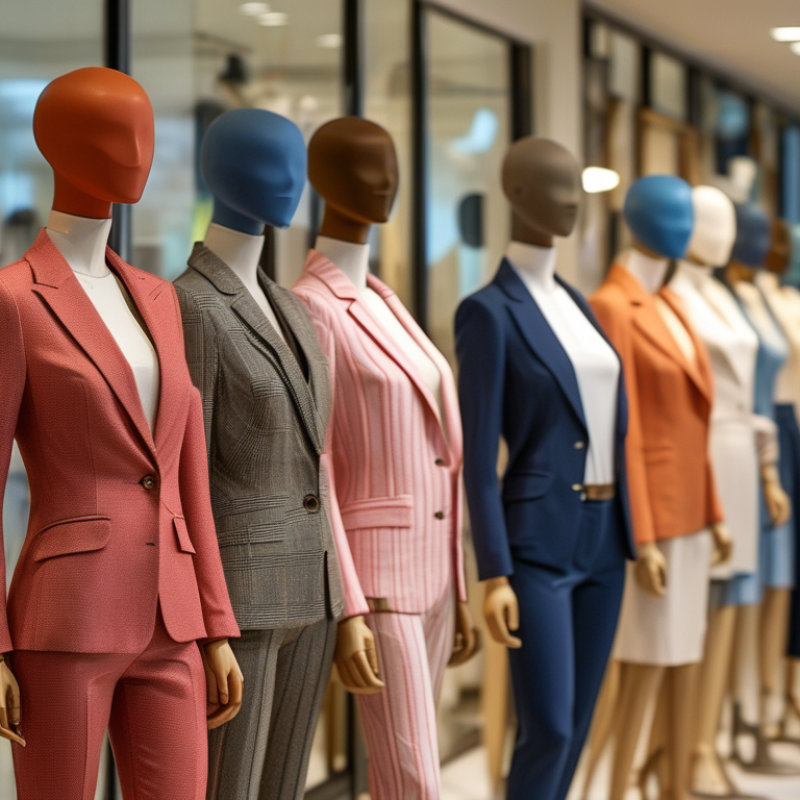
2026 Best Mannequin Types Differences You Need to Know?

Types of Mannequins: An Overview of Styles and Functions

When it comes to choosing mannequins, understanding their types is essential. They come in various styles and functions. For retail, full-body mannequins are popular. These are great for displaying entire outfits. They can convey the overall look. Additionally, torse mannequins focus on tops, making them ideal for showcasing shirts and blouses. Legs or torso-only mannequins allow for focused attention on specific clothing items.

Consider the purpose of the mannequin. If you aim to highlight a specific item, a form-fitting option may work best. For versatility, choose adjustable mannequins that can be styled differently. This adaptability can save costs and enhance visual appeal.

Tips: Ensure the mannequin's color complements your merchandise. A neutral palette often works best. Always check the mannequin's size to match your clothing. Displaying garments on the wrong-sized mannequin can lead to misrepresentation. Remember, not every mannequin suits every setting. Do some testing before committing to a style.

Material Differences: Plastic, Fiberglass, and Cloth Mannequins

When choosing mannequins, the material is critical. Plastic mannequins are lightweight and economical. They are easy to handle and perfect for retail setups. However, their durability can be questioned. A report by the Fashion Institute of Technology notes that while plastic models are affordable, they may crack under pressure over time.

Fiberglass mannequins are a step up in quality. They offer a polished finish and are more resilient than plastic. The Retail Research Group found that fiberglass models present a professional appearance, enhancing brand image in stores. Yet, they can be heavier and pricier, which is a consideration for smaller retailers.

Cloth mannequins provide a unique, flexible option, ideal for displaying textiles. They can be easily manipulated to exhibit different shapes. However, they tend to absorb moisture and odours, which can lead to maintenance issues. A survey by the Global Mannequin Association highlights that while cloth options are popular for fashion displays, their longevity can be problematic. Thus, retailers must weigh the pros and cons of each material carefully.

2026 Best Mannequin Types Differences You Need to Know

Mannequin Type Material Weight Durability Best For
Classic Dress Form Fiberglass Medium High Tailoring & Fitting
Fashion Display Mannequin Plastic Light Medium Retail Display
Customizable Mannequin Cloth Variable Low Interactive Displays
Luxury Boutique Mannequin Fiberglass Heavy Very High High-End Retail
Sportswear Mannequin Plastic Light Medium Athletic Wear Display

Male vs. Female Mannequins: Key Characteristics and Uses

When choosing mannequins, understanding male and female types is essential for effective presentation. Male mannequins typically exhibit more angular features and broader shoulders, catering to a diverse range of clothing styles. They effectively showcase men's apparel, from tailored suits to casual wear. Statistics show that 68% of shoppers prefer seeing clothing on a male figure. This highlights their importance in retail environments targeting male consumers.

Conversely, female mannequins often feature softer curves and more versatile poses. They assist in displaying women's fashion, from dresses to activewear. Data indicates that 88% of female shoppers feel more drawn to items exhibited on realistic mannequins. This indicates their vital role in creating a connection with potential buyers. However, some may argue that the idealized nature of these mannequins can distort realistic body image perceptions. There’s an ongoing debate about representation in retail.

Further, the choice between male and female mannequins can influence sales and branding. Retailers must align mannequin selection with their target audience’s demographics. A misalignment can lead to decreased customer engagement and missed sales opportunities. The nuanced differences in mannequin types emphasize the need for thoughtful decision-making in visual merchandising. Making the right choice requires understanding both market trends and consumer preferences.

Posable Mannequins: Advantages and Applications in Retail Display

Posable mannequins offer unique advantages in retail displays. They can be adjusted to various poses, showcasing clothing in different ways. Retailers often utilize this feature to attract customers' attention. A dynamic pose can suggest how an outfit moves or fits. This realistic representation helps customers envision themselves in the clothing.

In addition, posable mannequins serve multiple applications. They can be used for window displays or in-store promotions. Their flexibility allows retailers to create engaging narratives around their products. However, the choice of mannequin also depends on the brand’s identity. Some retailers may find that a standard mannequin suits their aesthetic better. It’s crucial to reflect on brand messaging when selecting display figures. Balancing creativity and brand consistency requires careful thought.

Specialty Mannequins: Children, Plus-Size, and Vintage Options

Specialty mannequins have gained significant traction in retail spaces. They cater to diverse consumer needs, showcasing garments tailored for children, plus-size individuals, and vintage styles. The rise of body positivity and inclusive fashion has driven a 27% increase in demand for plus-size mannequins from 2019 to 2022, indicating a crucial shift in consumer preferences. These mannequins provide retailers with the opportunity to appeal to a broader audience by reflecting real-life body types.

Child mannequins are essential for brands targeting younger demographics. These mannequins range from infants to teenagers, allowing retailers to display the latest trends in children's fashion. While many businesses recognize their importance, some may overlook the need for accurate representation. Misalignment between stock and mannequin sizes can lead to disinterest or negative customer experiences.

Vintage mannequins evoke nostalgia and cater to the growing trend of retro fashion. They attract consumers looking for unique styles, offering a sense of authenticity. However, many retailers face challenges in sourcing these mannequins. Quality can vary significantly, leading to inconsistency in presentations. Brands should consider the importance of matching mannequin aesthetics with their product offerings. This can create a more cohesive shopping experience, ultimately influencing customer purchasing behavior.

FAQS

: What are the main types of mannequins?

: Mannequins come in various styles, including full-body, torso, and leg-only options. Each serves different display purposes.

Why are full-body mannequins popular?

Full-body mannequins showcase complete outfits effectively. They help convey the overall look to customers.

How do I choose the right mannequin for my merchandise?

Ensure the mannequin's color complements your items. A neutral palette often works best for all styles.

What should I consider about mannequin sizes?

Always match the mannequin size to the clothing. Misrepresenting garments can lead to customer disinterest.

Why are specialty mannequins important?

Specialty mannequins cater to diverse body types, like children and plus-size. They reflect real-life bodies and enhance appeal.

How have consumer preferences changed regarding sizes?

There has been a rise in demand for plus-size mannequins, reflecting the body positivity movement. This trend is significant.

What role do child mannequins play in retail?

Child mannequins display fashion trends for younger audiences. Accurate representation can boost customer interest.

What are the challenges with vintage mannequins?

Sourcing vintage mannequins can be difficult. Quality varies, which can lead to inconsistent displays.

How can I improve the shopping experience with mannequins?

Match mannequin aesthetics to your products. This creates a cohesive look that can influence purchasing decisions.

What is a common pitfall in mannequin usage?

Some retailers overlook accurate size representation. This can lead to negative customer experiences and disinterest.

Conclusion

The article "2026 Best Mannequin Types Differences You Need to Know?" provides a comprehensive overview of various mannequin types, focusing on their distinct styles and functions. It explores the differences in materials, such as plastic, fiberglass, and cloth, which significantly affect durability and aesthetics. The article also highlights the key characteristics and uses of male and female mannequins, offering insight into how their designs cater to diverse retail needs.

Furthermore, it delves into posable mannequins, discussing their advantages and practical applications in retail displays, allowing for greater versatility in showcasing clothing. Specialty mannequins, including options for children, plus-size, and vintage styles, are also examined, emphasizing the importance of variety in meeting different market demands. This leads to the essential question: "What is the difference between different types of mannequins?" By understanding these differences, retailers can effectively choose the appropriate mannequins for their specific display requirements.

Madeline

Madeline

Madeline is a dedicated marketing professional with a wealth of expertise in our company's core offerings. With a keen understanding of the industry, she brings a unique perspective to her role, consistently delivering high-quality content that highlights the superior aspects of our products. As......