Choosing mannequins can shape how customers judge a small retail business. A balanced display may make a plain storefront feel more professional. However, attractive mannequins can quickly consume a limited purchasing budget.
The question, “How to choose cost-effective mannequins for small businesses,” involves more than comparing prices. Retail owners must examine materials, posture, size, durability, shipping fees, and maintenance needs. A lightweight fiberglass mannequin may reduce delivery costs, while a stable base can prevent repeated replacements. Some affordable models look excellent online but feel fragile after unpacking. That risk deserves attention.
This guide presents seven practical tips for selecting mannequins that support sales without weakening cash flow. It considers real store conditions, including narrow aisles, seasonal clothing changes, dusty windows, and limited storage. Experienced visual merchandisers often recommend choosing adaptable forms instead of buying several highly specific poses. That approach can extend a mannequin’s usefulness across collections. Still, there is no perfect formula. A durable model may cost more initially but save money over time. A low-priced option may suit a temporary promotion better.
Reliable decisions should come from supplier specifications, customer reviews, warranty details, and direct product measurements. Buyers should also calculate the total ownership cost, not just the listed price. Small details matter. A loose fitting joint, unstable foot, or chipped finish can damage the display’s credibility. The following tips help business owners compare choices carefully, avoid preventable mistakes, and build a polished presentation within realistic financial limits.
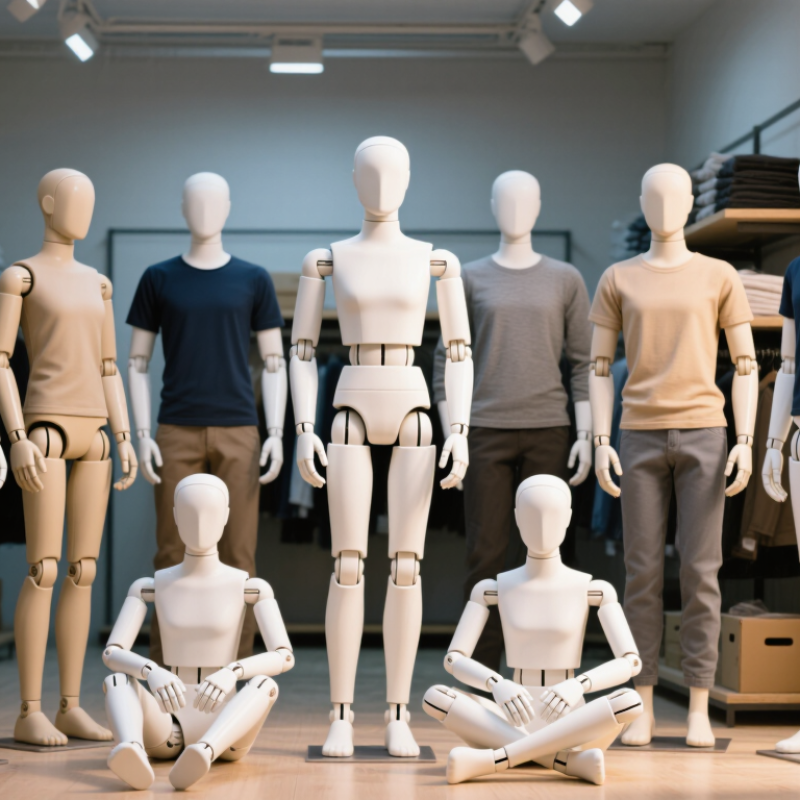
Define Your Display Purpose and Mannequin Requirements
Define the display job before comparing mannequin prices. A window mannequin must communicate from several metres away. A fitting-room figure needs realistic proportions and easy garment changes. A pose for sportswear may need stronger movement. A relaxed pose suits tailored clothing better. Small details matter.
POPAI’s Mass Merchant Shopper Engagement Study reported that 82% of purchase decisions happened in-store. The study is older, but it still supports clear physical presentation. Write a requirement sheet before buying: height, shoulder width, pose, finish, base size, joint flexibility, and storage needs. Measure the doorway and display platform. I once ignored the platform depth. The mannequin looked fine, but blocked a customer path. That was an avoidable mistake.
The National Retail Federation estimated $743 billion in U.S. retail returns for 2023. This report does not prove mannequins cause returns. However, a distorted pose can make clothing appear poorly fitted. Choose a form that shows the garment’s actual silhouette. Compare sample garments under your real lighting. Glossy finishes can create harsh reflections. Matte surfaces may photograph more consistently. Reusable components can reduce replacement costs, but only if they survive frequent dressing. Cheap is not always cost effective. A simple checklist, tested in the actual store, is more reliable than a catalogue photograph.
Compare Materials, Durability, and Total Ownership Costs
Choosing cost-effective mannequins requires more than comparing purchase prices. Material affects handling, repairs, transport, and disposal. Fiberglass usually provides a rigid, premium finish, but chips can require specialist repair. ABS plastic is lighter and often easier to wipe clean. Foam mannequins reduce shipping weight, yet dents may appear after repeated dressing. In my store-fitout experience, careless stacking created more damage than normal customer contact. That was an expensive lesson.
Use total ownership cost, not the cheapest invoice. Record the unit price, expected service years, annual repair hours, replacement parts, storage space, and freight weight. The U.S. Department of Energy’s Federal Energy Management Program recommends lifecycle costing for comparing long-term purchasing decisions. A lighter mannequin may reduce delivery and handling expenses, but only if its shorter lifespan does not increase replacements. Small savings can disappear quickly.
End-of-life matters too. The U.S. Environmental Protection Agency reported an 8.7% recycling rate for plastics in its 2018 Facts and Figures report. This figure does not describe mannequins directly, but it highlights a practical risk: mixed materials can be difficult to recycle. The European Environment Agency reported an EU circular material use rate of 11.8% in 2023. Ask suppliers about separable components, repairability, and documented material content. Also inspect sample units yourself. A smooth finish may hide weak joints. I once overvalued appearance and underestimated base stability. That mistake still affects the calculation.
Evaluate Size, Style, Pose, and Store Compatibility
Choosing cost-effective mannequins starts with measurements, not the lowest invoice. In my store-planning work, I compare shoulder width, height, torso depth, and base footprint. A mannequin that blocks a narrow aisle creates hidden costs. Measure the display area, doorways, shelving, and packing space before ordering. Measure twice. Leave room for customers to move comfortably. I once ignored a base diameter and lost useful floor space. That mistake still influences my checks.
Style should match the merchandise and the shopper’s expectations. A simple, neutral finish often works across seasonal collections. Highly detailed features may look attractive, but they can limit future use. Choose poses that support the garment’s shape without pulling fabric unnaturally. Relaxed arms suit shirts, while a balanced walking pose can show trouser movement. Check joints and supports carefully. An awkward pose wastes attention. I have found that interchangeable components can reduce replacement costs, although extra parts are easy to misplace.
Store compatibility includes lighting, color, cleaning, transport, and staff handling. Test one sample under the store’s actual lights before buying several. Bright lighting can reveal surface flaws or make colors appear colder. Confirm that the mannequin stands securely on the intended floor and fits existing fixtures. Lightweight models simplify rearrangement, but very light bodies may tip near busy entrances. Ask about repairable parts and written material specifications. Price comparisons should include delivery, storage, and expected service life. Keep notes. My evaluations are not perfect; customer flow changes, and a display that works in planning may feel cramped during a sale. Record those observations and adjust the next purchase.
Check Supplier Quality, Warranty, and Replacement Support
7 Tips for Choosing Cost Effective Mannequins?
A low quote can still become expensive. Supplier quality should be checked before price comparisons. Request a physical sample or detailed inspection photos. Examine the shoulder joints, fingertips, base fittings, paint finish, and clothing contact points. Small cracks often appear after repeated dressing. Ask about the mannequin’s material, internal structure, and tested weight capacity. A reliable supplier should answer clearly, not vaguely.
Warranty terms deserve close attention. Confirm the coverage period, defective parts, surface damage, and shipping responsibilities. Ask whether labor and replacement freight are included. Some warranties sound generous but exclude common problems. Read every condition. Keep the answers in writing. I have seen buyers trust verbal promises, then struggle when a base arrived damaged. That mistake is easy to repeat.
Replacement support can protect your budget over several seasons. Check whether suppliers keep hands, heads, bases, and connectors in stock. Ask for typical replacement lead times and current spare-part prices. A supplier should explain the claim process with simple steps. Test this support before placing a large order. Send one detailed question and measure the response time. If replies are slow now, urgent support may be worse later. A smaller trial order may reveal more than a polished sales presentation. Still, no inspection is perfect. Allow a reasonable repair and replacement budget.
Balance Purchase Price With Long-Term Display Value
A low purchase price does not always create a cost-effective mannequin. Display value depends on durability, flexibility, and repeated use. A lightweight figure may reduce freight costs. However, weak joints, unstable bases, or easily scratched finishes can create replacement expenses within one season. Check the total cost of ownership, not only the invoice.
The National Retail Federation reported $743 billion in retail returns during 2023, equal to 14.5% of annual retail sales. Clear product presentation can support customer confidence, especially when shoppers inspect fit, proportion, and fabric details in person. A well-positioned mannequin should show garment drape naturally, without pulling at the shoulders or hiding essential features. Small details matter. A crooked wrist looks careless.
The ICSC report The Halo Effect of Retail Real Estate found that opening a physical store can increase online sales in the surrounding market by 37%. This reinforces the value of a store display beyond immediate transactions.
Choose modular forms with interchangeable heads, arms, and poses when possible. They can support seasonal changes without requiring complete replacement. Measure storage space, cleaning time, repair access, and transport frequency before purchasing. An expensive mannequin may deliver better value over five years. Yet that assumption fails if its design becomes visually outdated after one campaign. A practical review every six months can expose that mistake early.
FAQS
Fiberglass offers a rigid, polished finish. ABS plastic is lighter and easier to clean. Foam reduces shipping weight. Each material has weaknesses.
Include purchase price, repairs, replacement parts, storage, freight, and expected service years. A cheap invoice can hide expensive replacements.
Fiberglass may chip. Foam can dent after repeated dressing. Lightweight models may tip near busy entrances. Careless stacking can cause surprising damage.
Measure height, shoulder width, torso depth, base diameter, doorways, aisles, and storage areas. Measure twice. Narrow spaces punish small mistakes.
Relaxed arms suit shirts. A balanced walking pose can show trouser movement. Avoid poses that pull fabric or hide important garment details.
Store lighting can reveal surface flaws or change color appearance. Check stability, cleaning, fixture compatibility, and joint strength first.
Interchangeable arms, heads, and poses can support seasonal changes. They may reduce full replacements. Extra parts are easy to lose, though.
Clear displays help shoppers inspect fit, proportion, and fabric. Store visits may also support nearby online sales. This is useful, but not guaranteed.
Ask about separable parts, repair options, and documented material content. Mixed materials may be difficult to recycle. Disposal assumptions need checking.
Review costs and performance every six months. Record repairs, customer movement, storage problems, and visual aging. My own estimates are never perfect.
Conclusion
Choosing cost-effective mannequins begins with defining your display purpose, target customers, available space, and styling needs. The right mannequin should support your products while fitting your store layout, brand image, and planned display changes. Compare materials carefully, considering durability, appearance, maintenance, and total ownership costs rather than focusing only on the initial purchase price. Size, style, pose, and flexibility also matter, as a mannequin that works well with your clothing range can create more effective displays and reduce the need for frequent replacements.
When learning How to choose cost-effective mannequins for small businesses, evaluate suppliers based on product quality, warranty coverage, delivery reliability, and replacement support. A lower price may not provide good value if the mannequin breaks easily or is difficult to replace. Consider the long-term display value, including versatility, durability, and how effectively the mannequin helps present merchandise. By balancing upfront cost with practical performance and ongoing support, small businesses can make confident purchasing decisions and create attractive displays within a realistic budget.
 Tianran Trade
